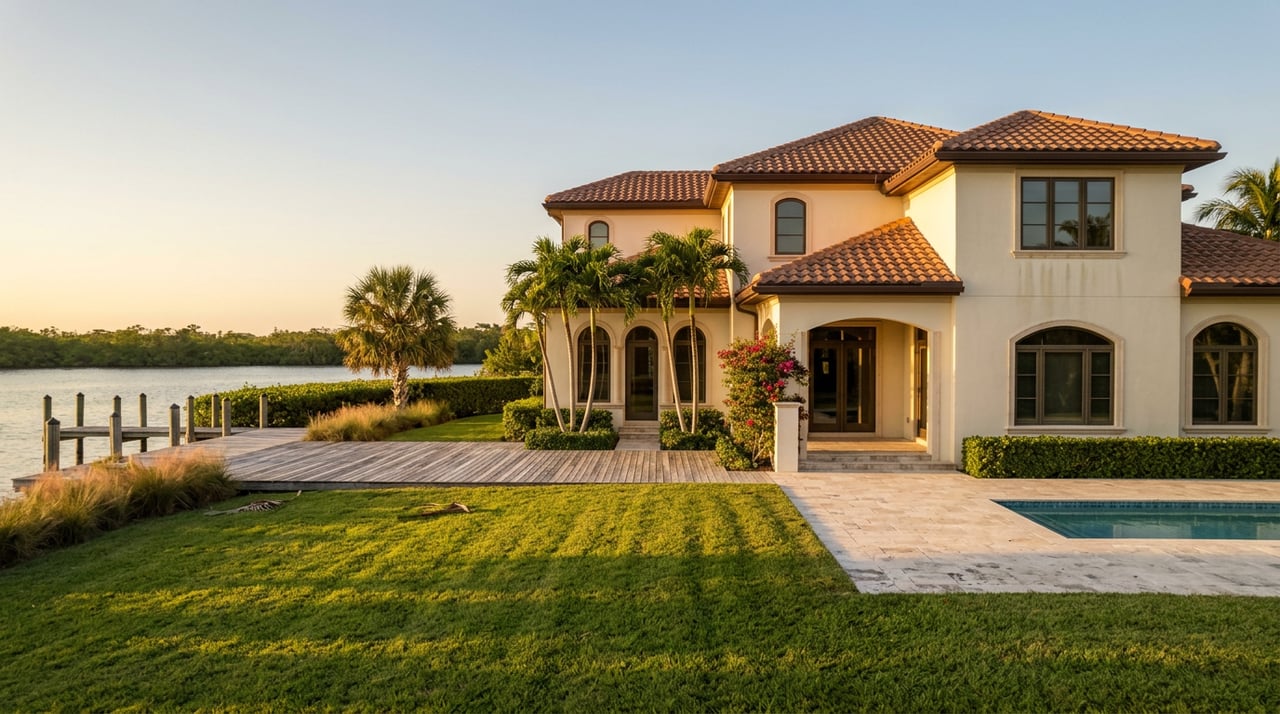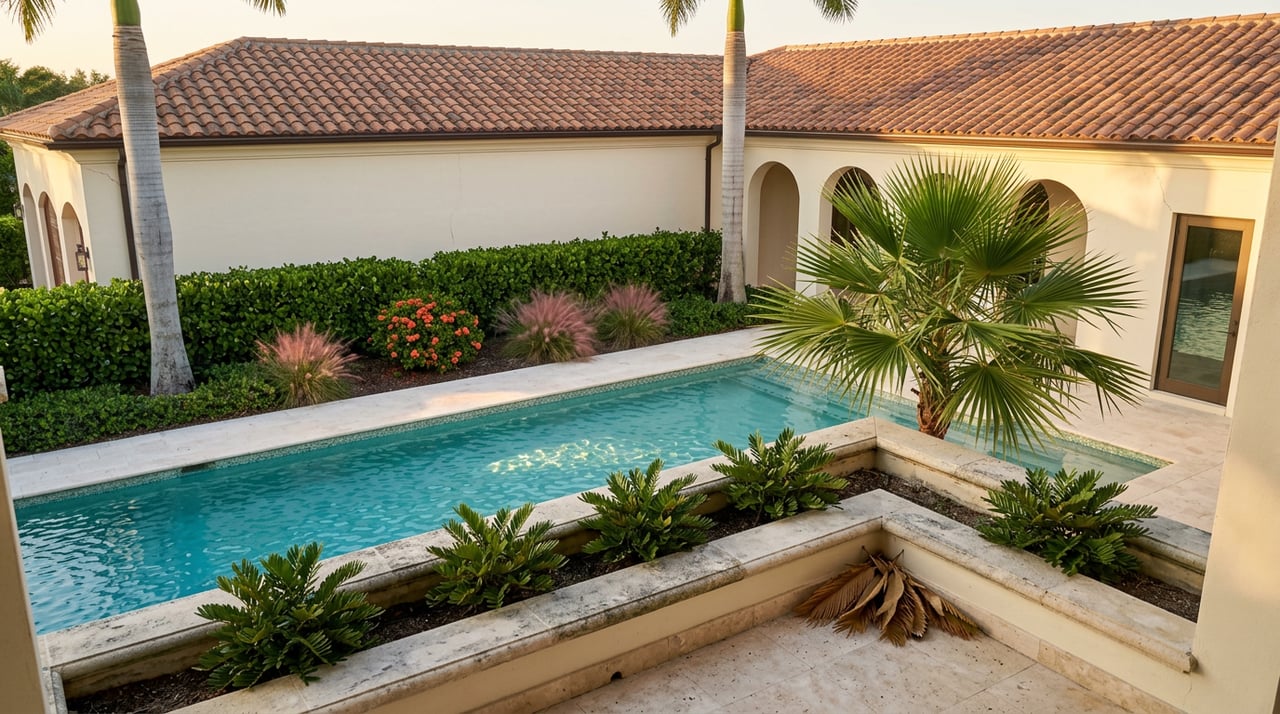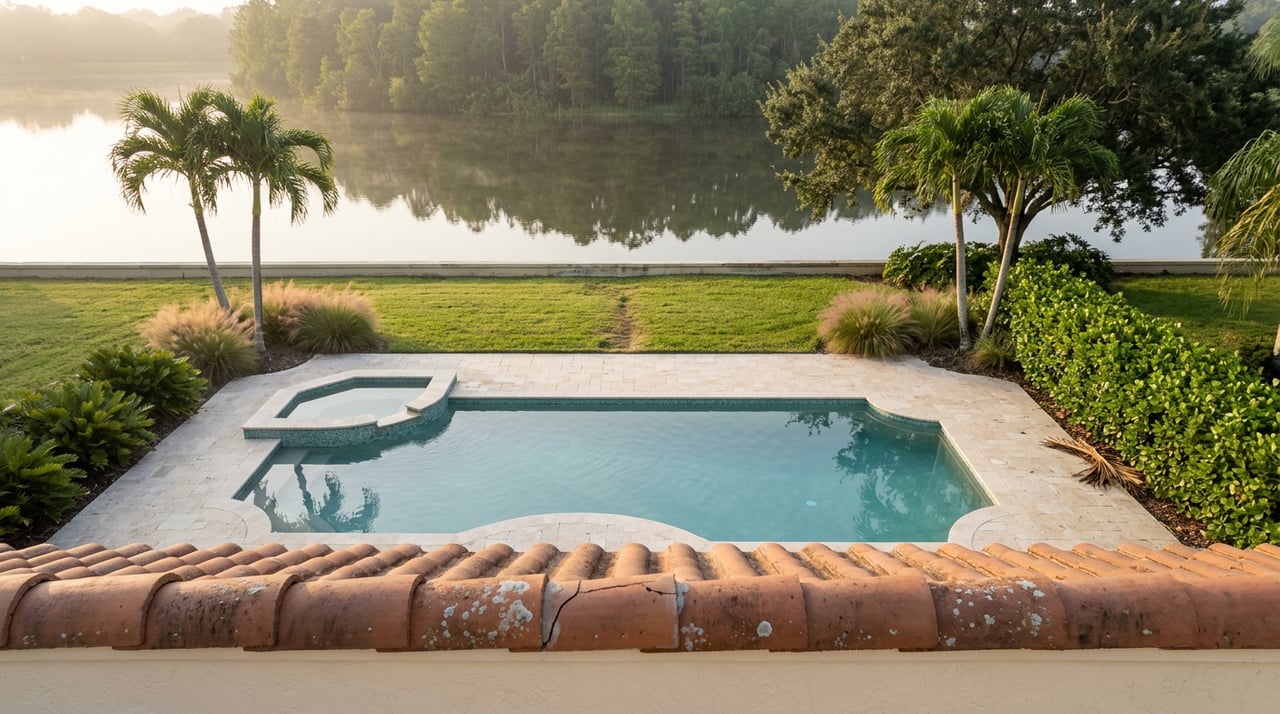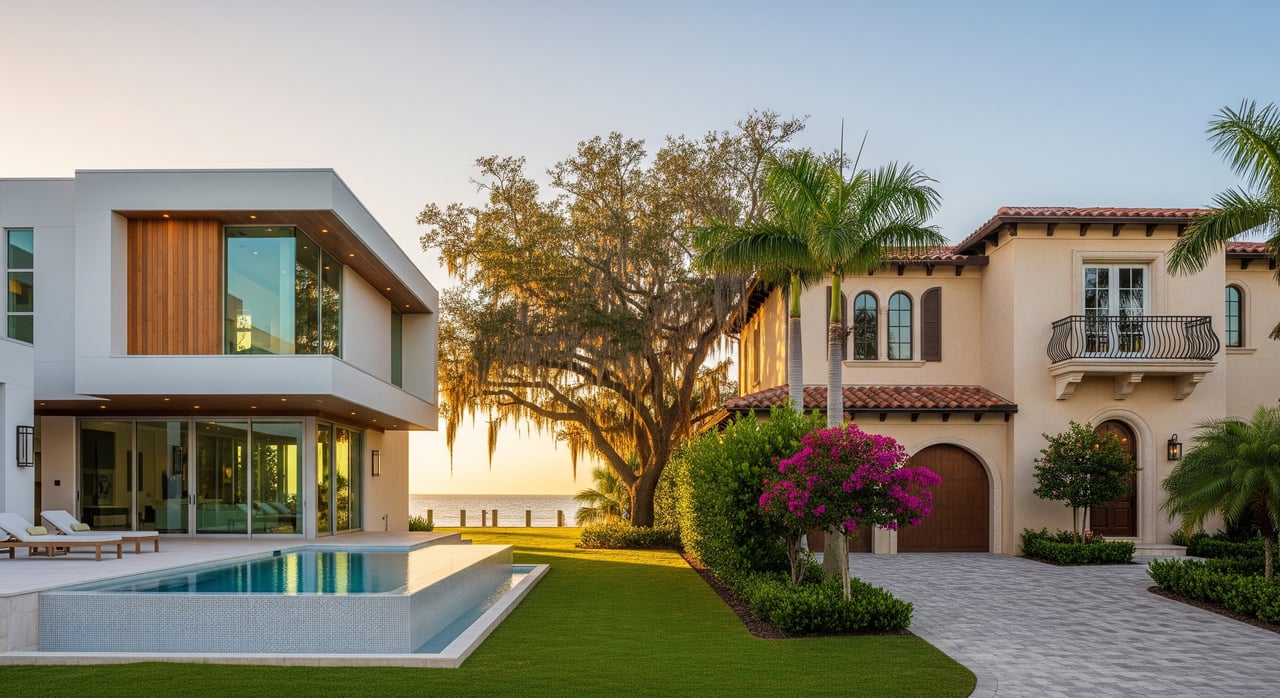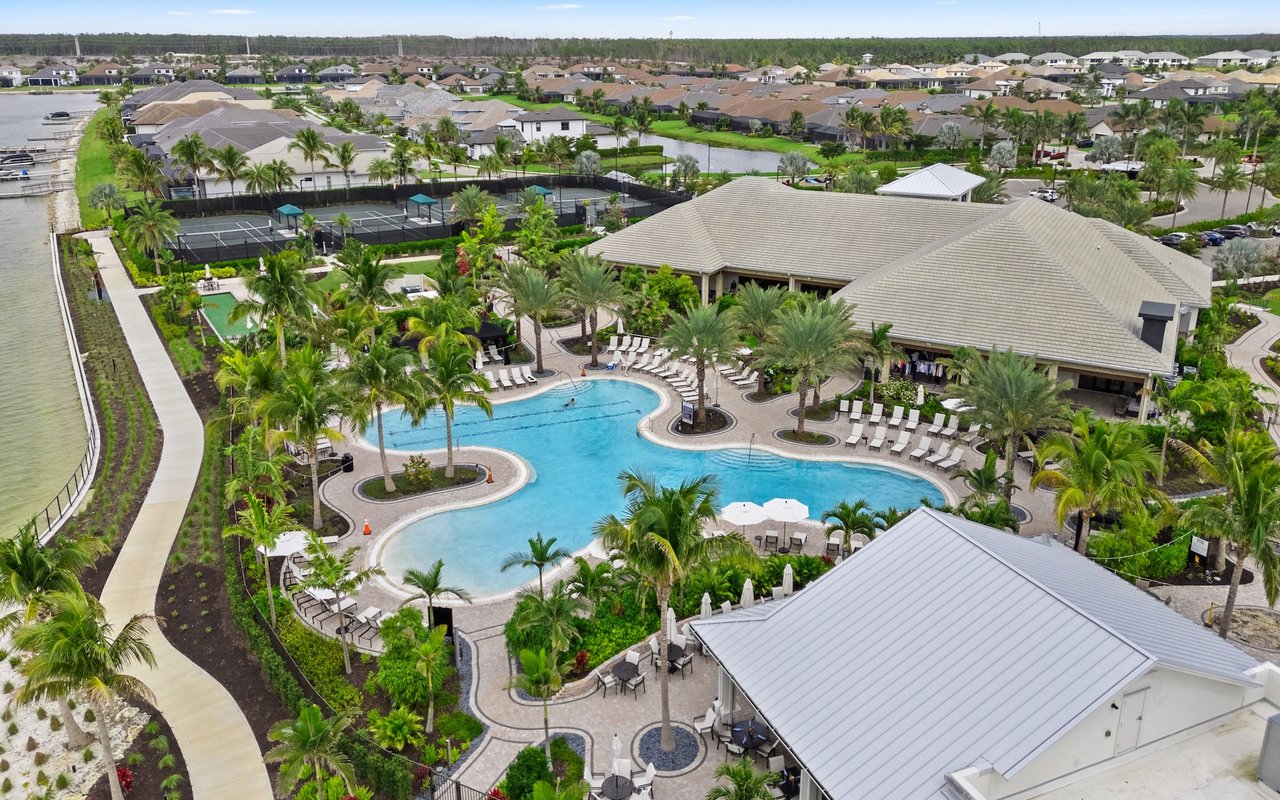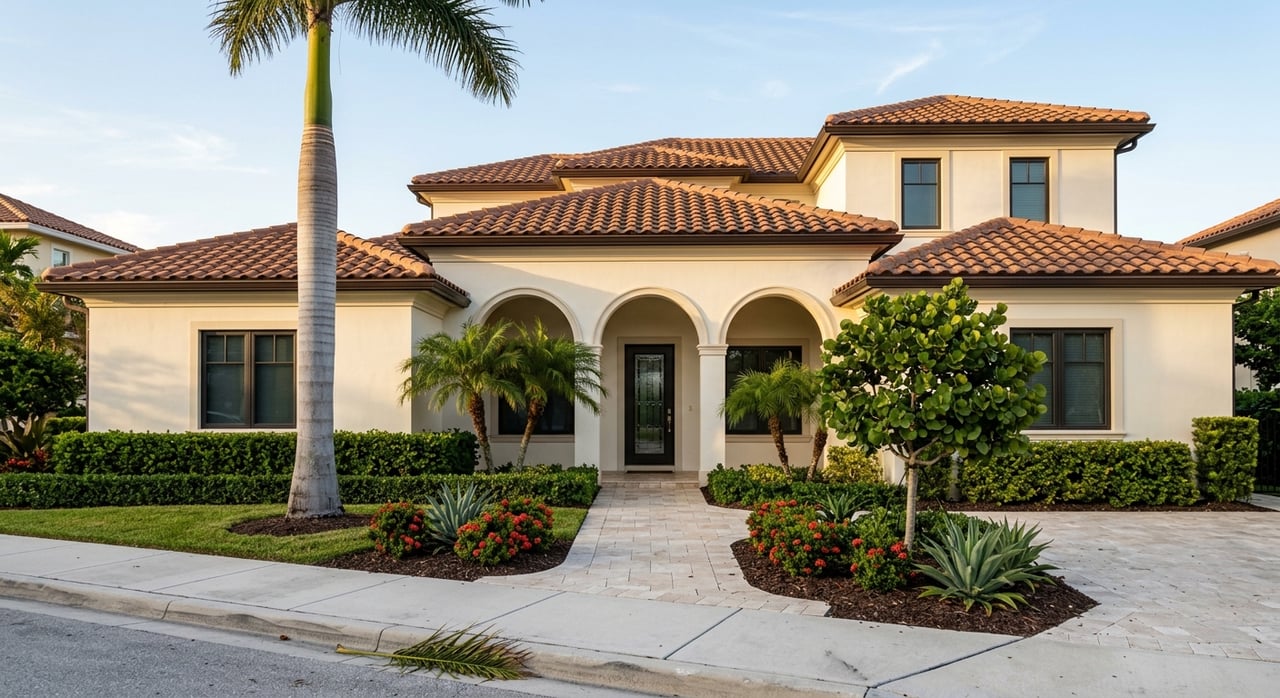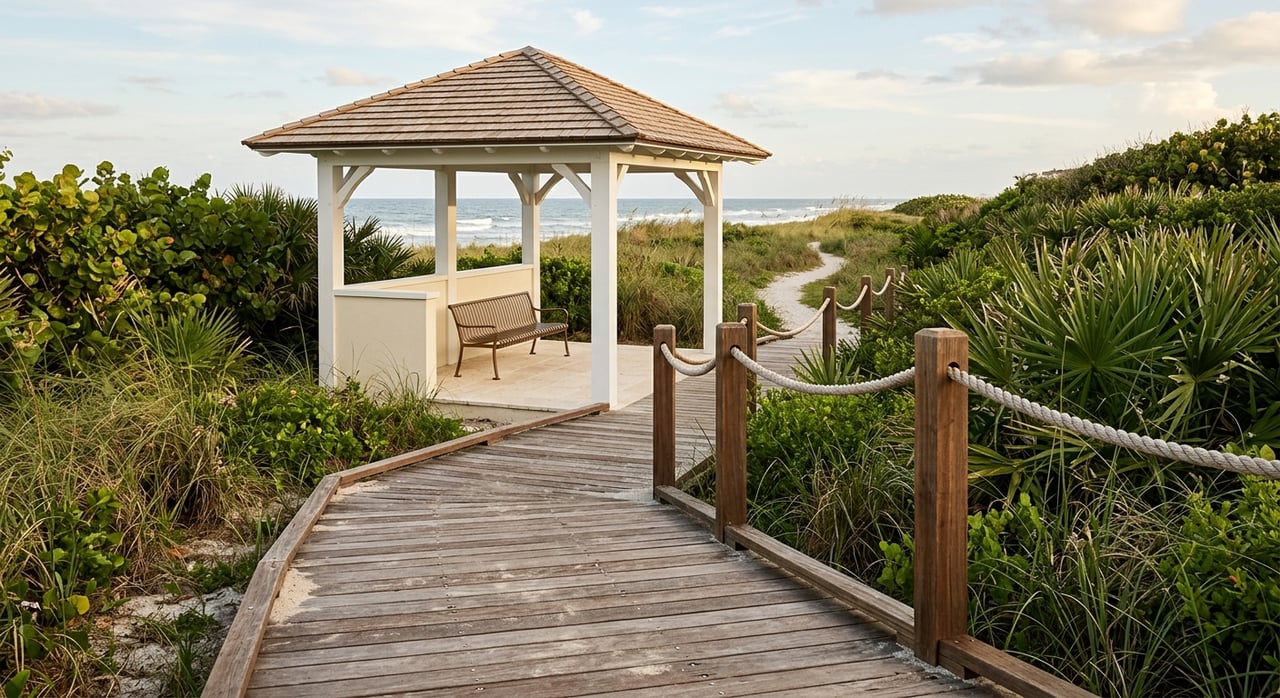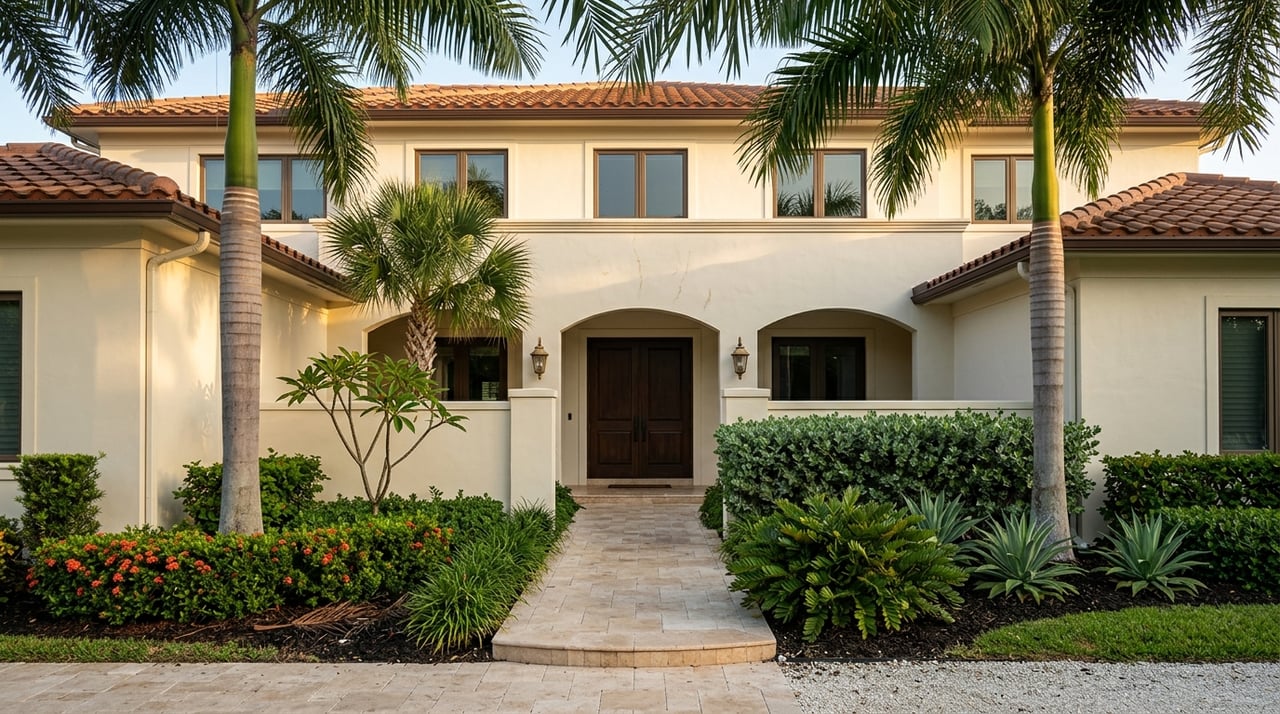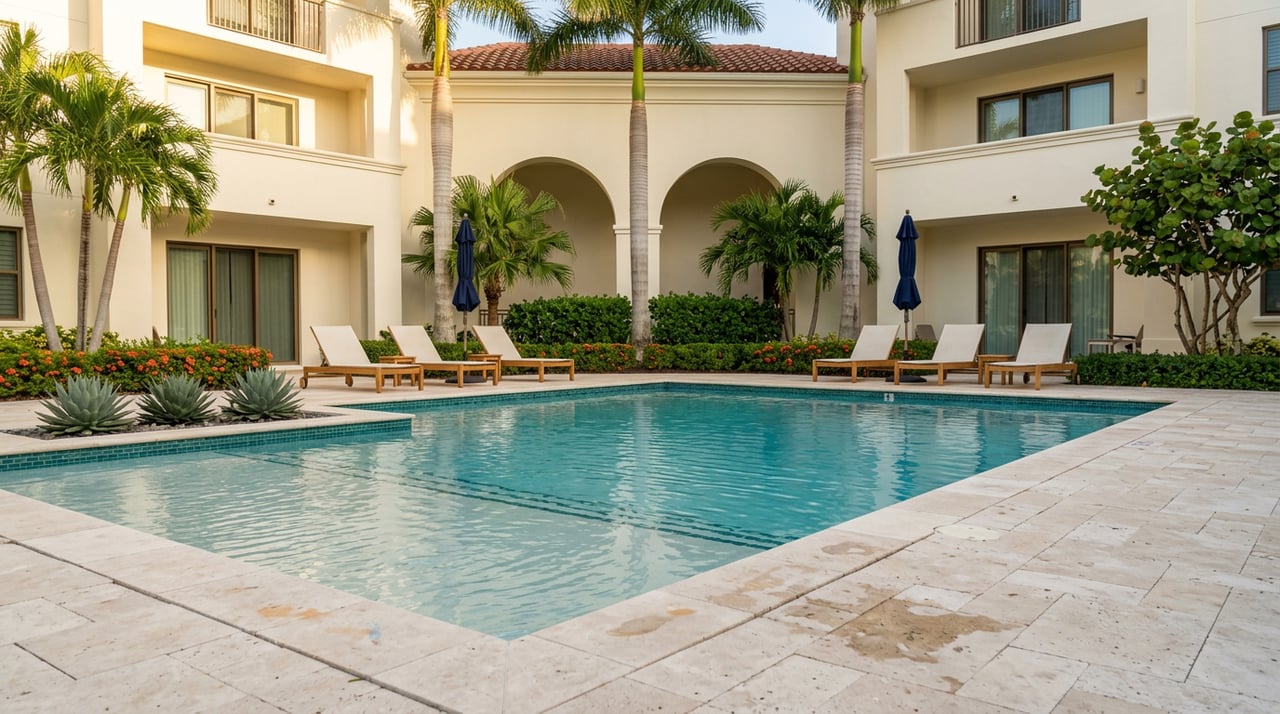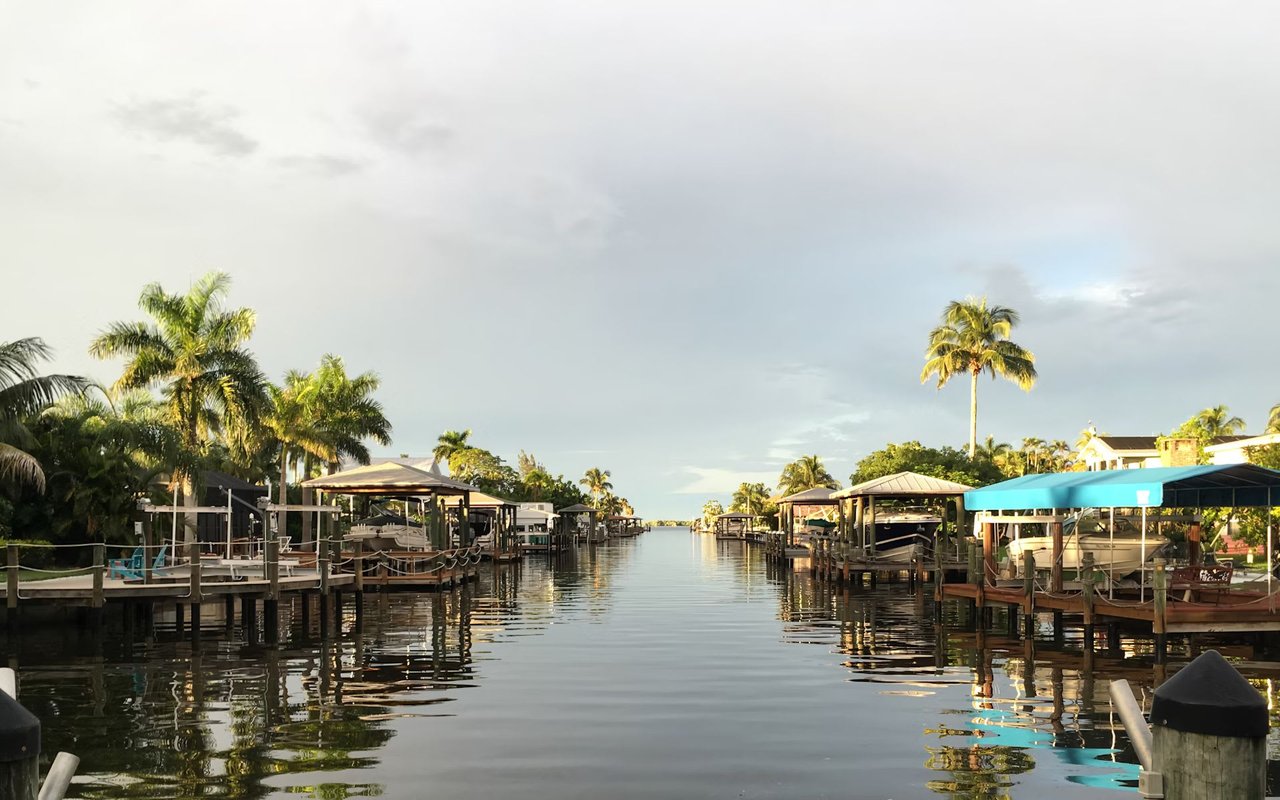
Picture yourself on a balcony in North Naples, watching the sky melt into shades of tangerine and rose. Or maybe you prefer the quiet rhythm of boats drifting by your dock on a calm canal. If you are torn between Gulf-front and bay-facing living around Vanderbilt Beach, you are not alone. In this guide, you will learn how the views, sun, wind, noise, boating access, and building details really differ so you can rank your options with confidence before you tour. Let’s dive in.
Vanderbilt Beach at a glance
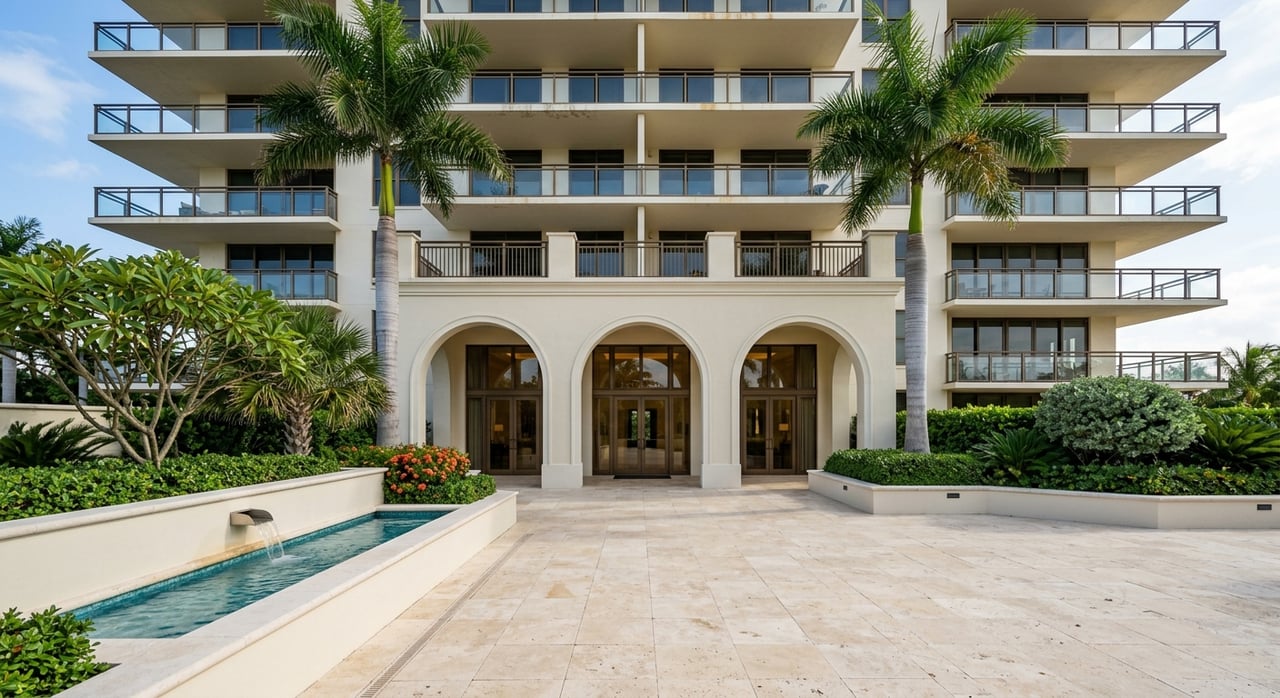
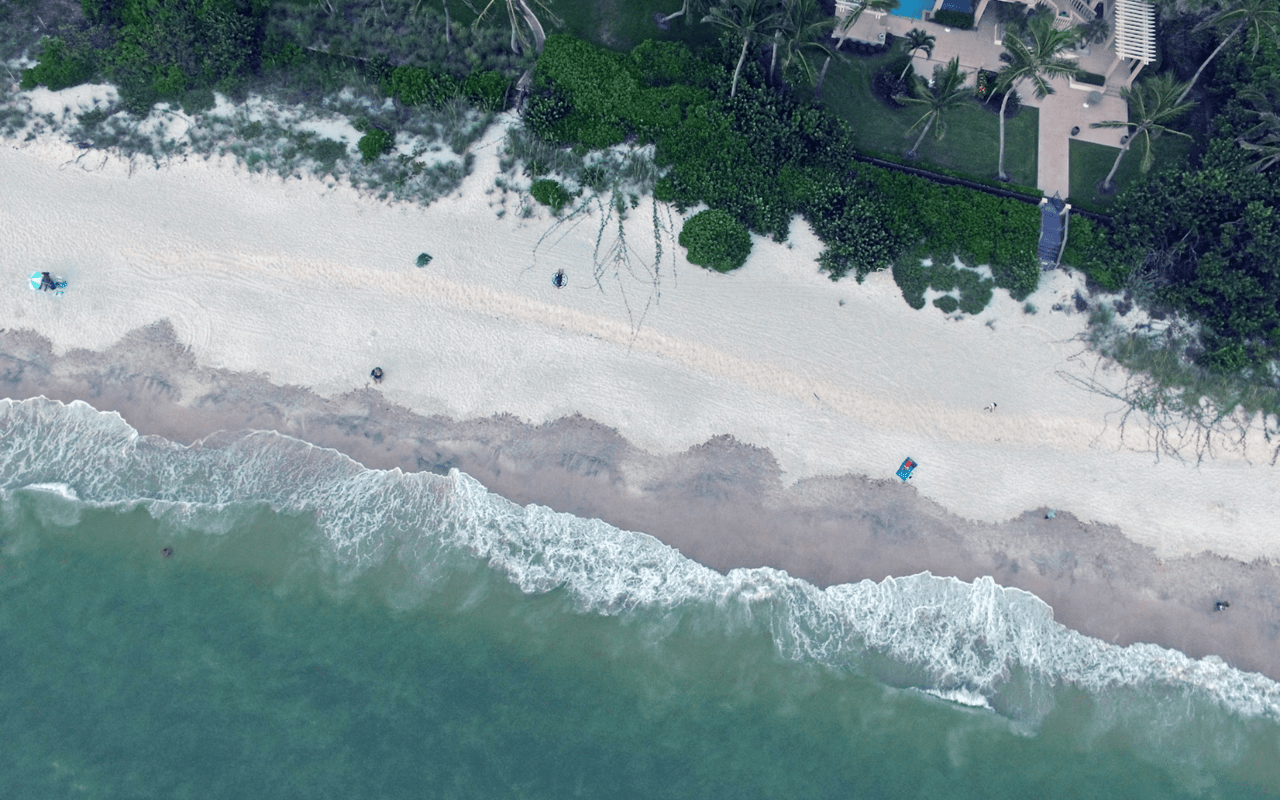
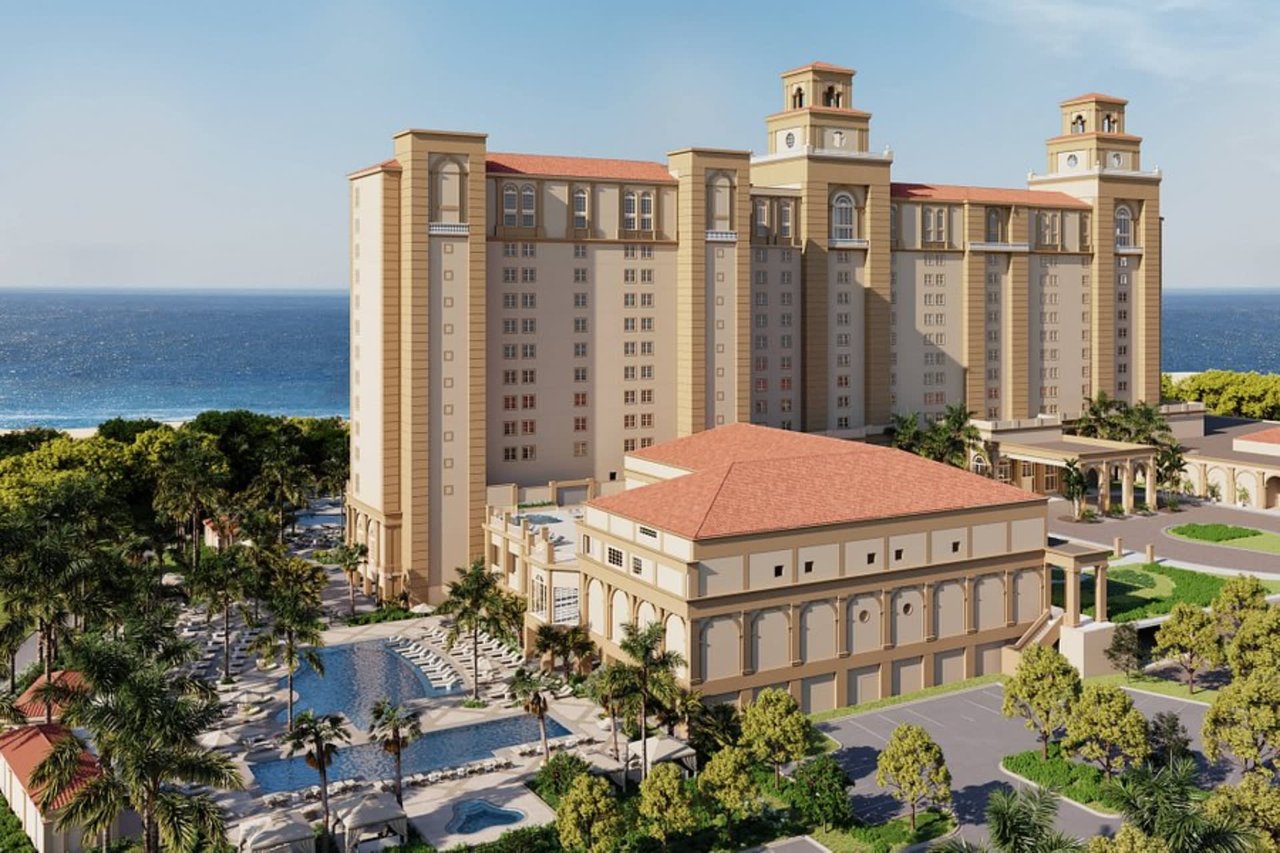
Vanderbilt Beach sits on the Gulf of Mexico in northern Naples, Collier County. You will find high-rise towers right on the sand, plus nearby neighborhoods woven around bays, canals, and estuarine waterways that create bay-facing opportunities. Two landmarks shape daily life and foot traffic: Vanderbilt Beach Park and Delnor-Wiggins Pass State Park. These public access points bring value and activity to the area, especially in peak season.
Coastal realities matter here. Beach erosion, storm surge, and long-term sea-level rise are part of the setting. Floodplain designations, building elevations, and insurance requirements can differ by property and by block. Understanding these factors early helps you focus your search.
Gulf vs. bay: the big-picture tradeoffs
At Vanderbilt Beach, the decision often comes down to lifestyle and daily experience. Gulf-front living gives you open-water sunsets and instant beach access. Bay-facing living brings sheltered water, docks, and a more residential feel. Both are compelling. The right choice is the one that best fits how you plan to spend your days.
What you see: views and sunsets
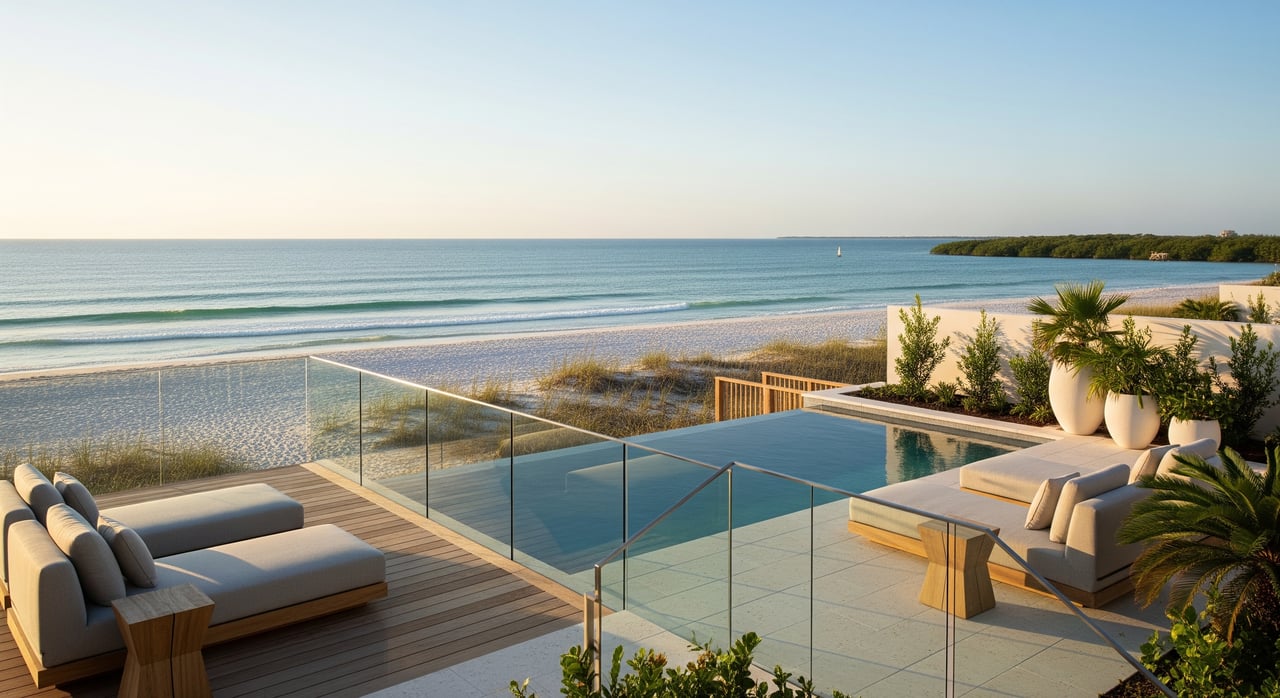
- Gulf-front: Expect wide, westward views across the Gulf of Mexico. Higher floors often enjoy unobstructed horizons and the classic Naples sunset. The corridor is open and consistent, with fewer nearby obstructions.
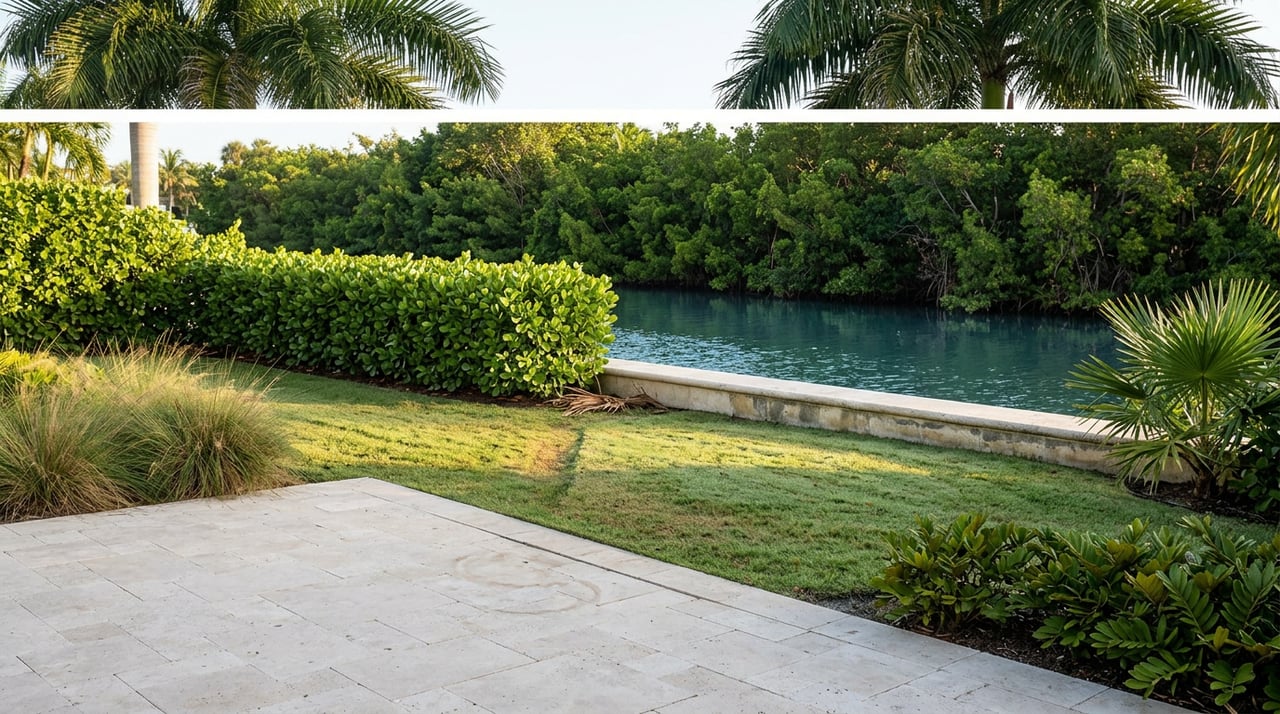
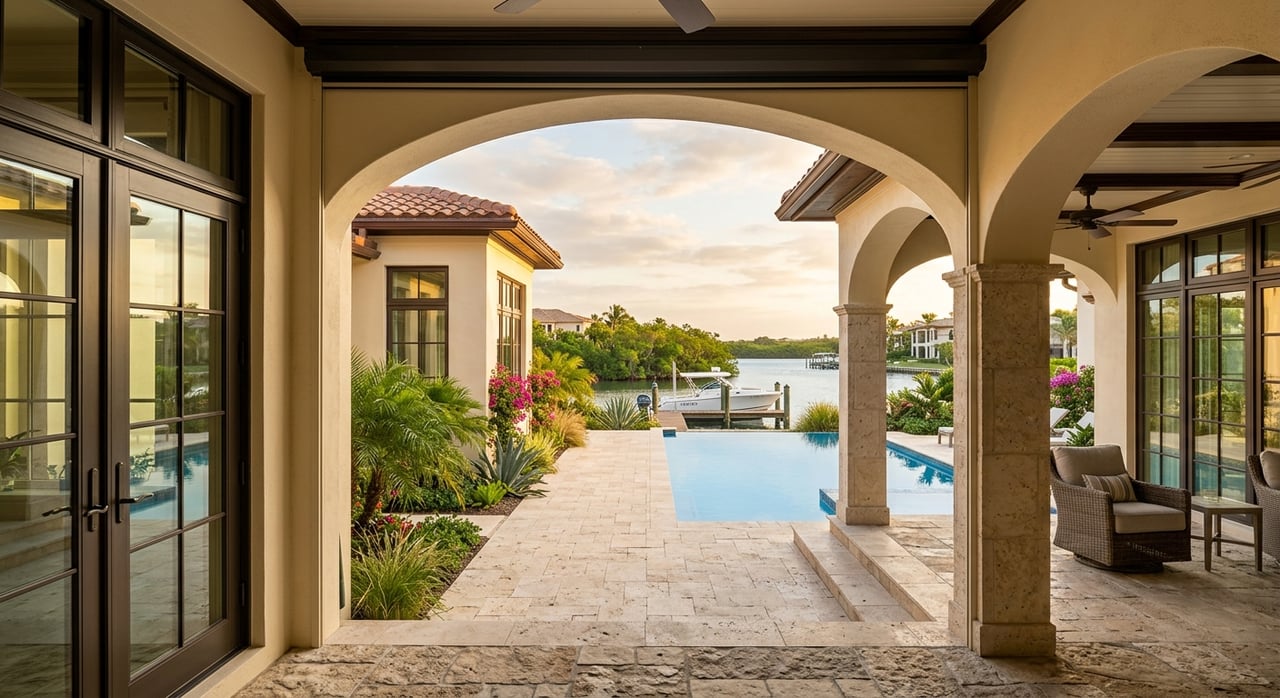
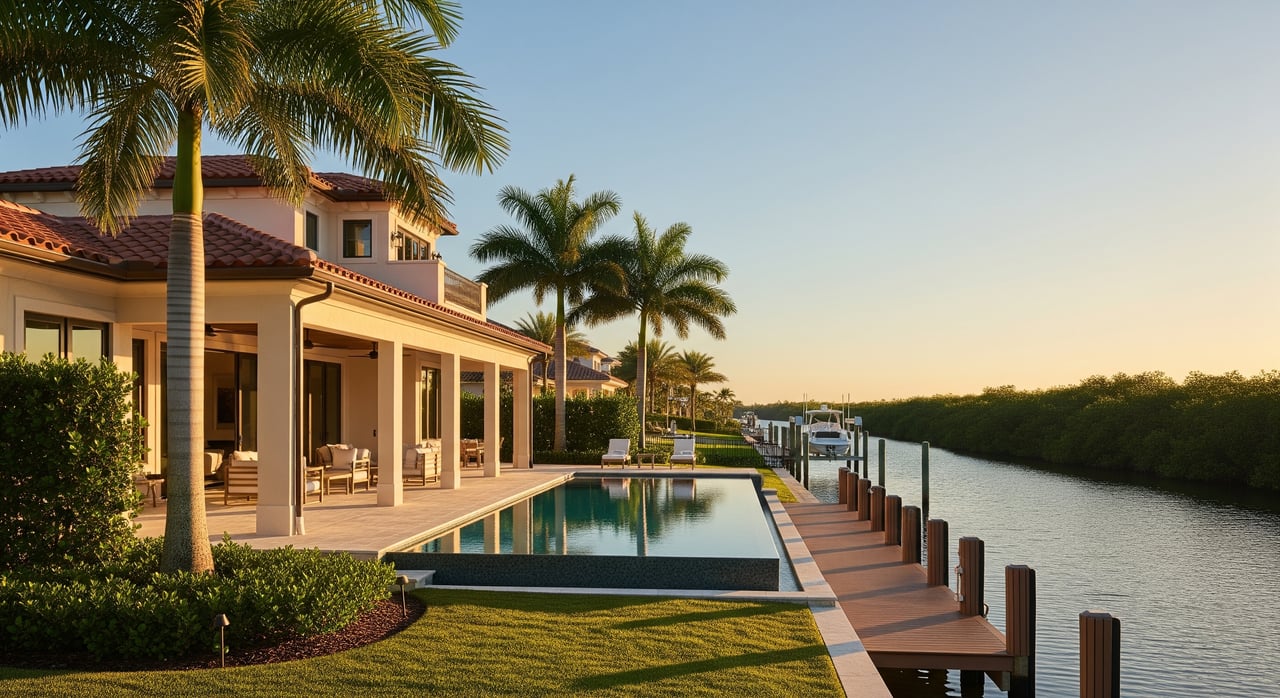
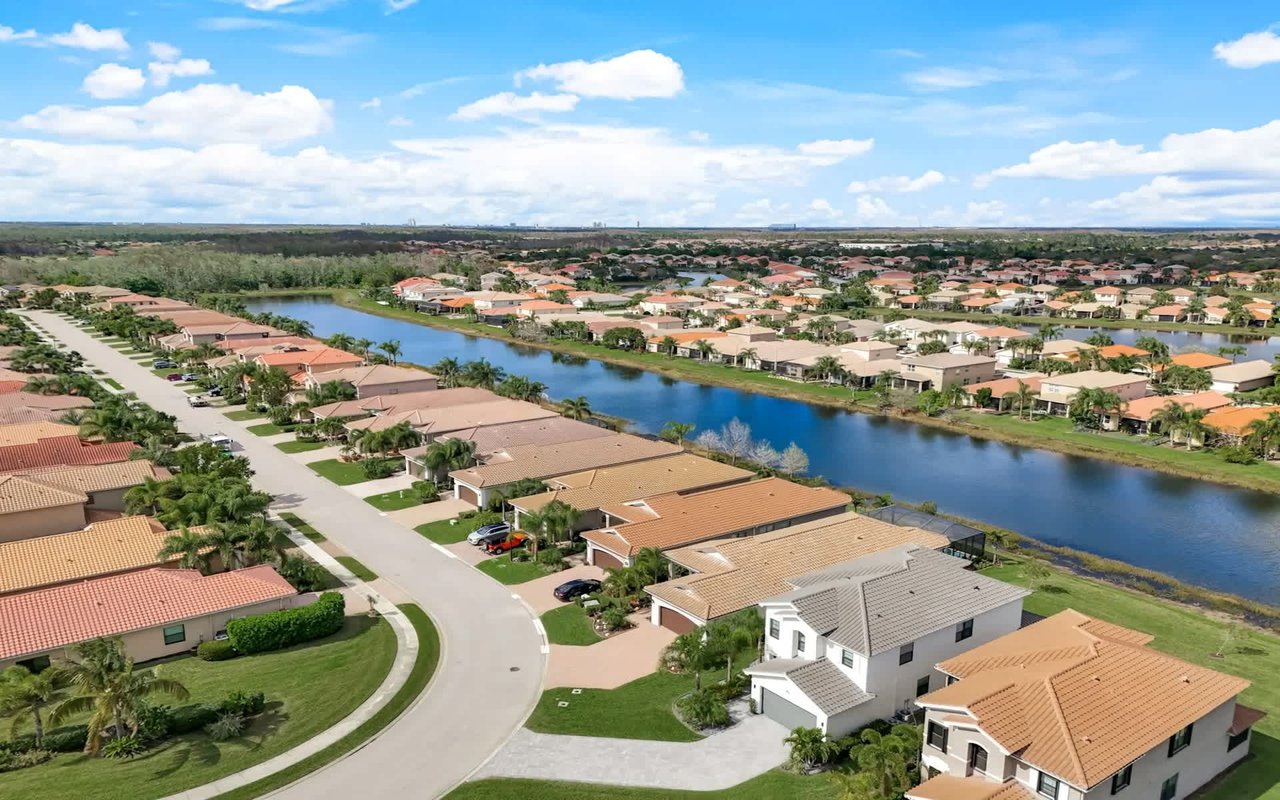
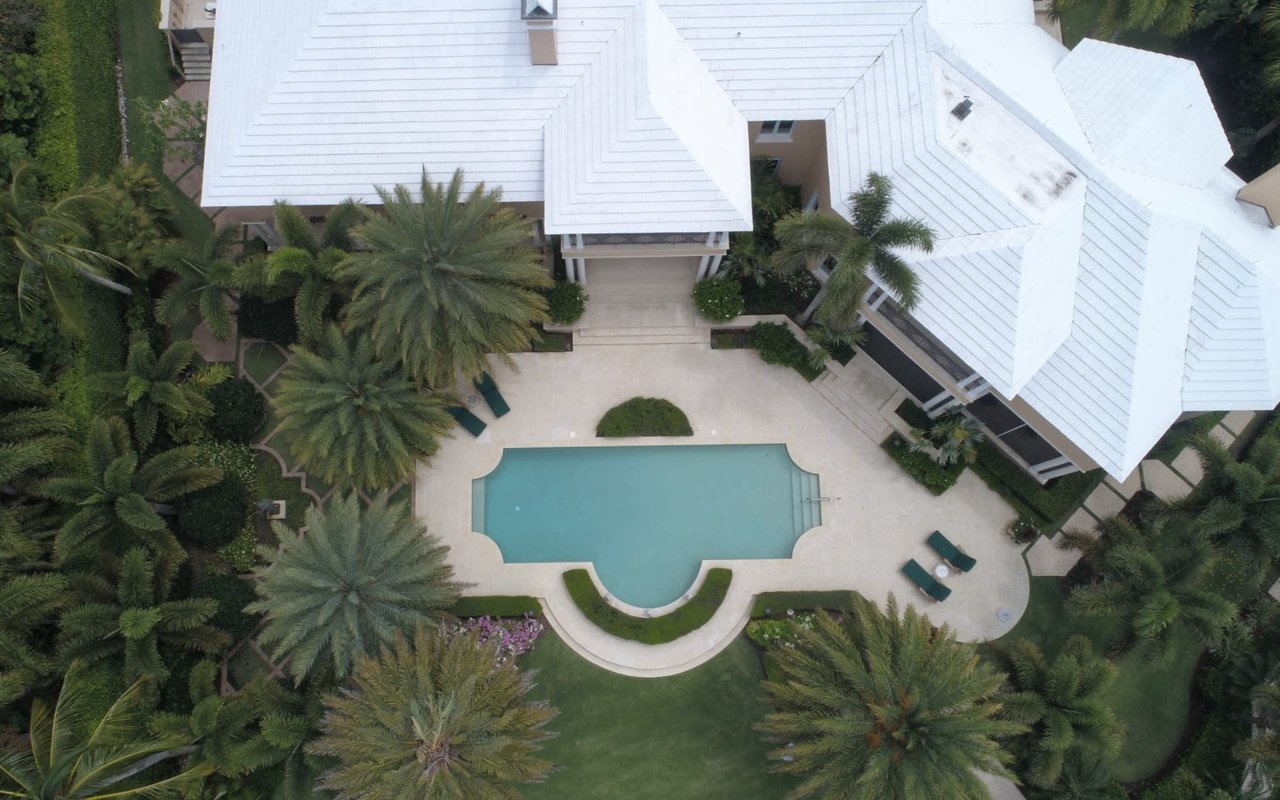
- Bay-facing: Views vary by site and orientation. You may look over mangroves, marinas, canals, or smaller open-bay water. Sightlines are shorter and include more built elements such as docks and neighboring homes. Sunset potential depends on exposure, and is often softer or indirect.
Tip: If daily sunsets are a must, prioritize true west-facing stacks and verify the view in person late in the day.
Sun, shade, and heat
- Gulf-front: West-facing balconies and windows soak up strong afternoon sun and glare. The light can be stunning, but it increases heat gain. Ask about window specs and cooling costs for units with strong west exposure.
- Bay-facing: Many stacks face east or north, which brings a calmer morning glow and less intense afternoon heat. If you like coffee at sunrise and cooler afternoons, this can be ideal.
Breezes, wind, and balcony comfort
- Gulf-front: Open water brings more direct sea breezes. This helps with natural cooling in warm months, but it also means more wind noise and salt spray. On windy days, some balconies feel exposed.
- Bay-facing: Generally more sheltered, with calmer balconies and less salt deposition. Local microclimates matter, since channels can funnel breezes. Expect a more predictable, lower-wind feel most days.
Sound, privacy, and foot traffic
- Gulf-front: Beach activity shapes the soundscape. You may hear surf, beachgoers, and seasonal water sports near shore. Proximity to public beach access and parks can increase pedestrian flow and parking demand at peak times. Higher floors offer more separation and privacy.
- Bay-facing: Often more residential and quiet, especially on streets with single-family homes or low- to mid-rise condos. You will notice boat engines and dock activity at times, but tourist foot traffic is typically lower than on the beach.
Boating and water access
- Gulf-front: You are steps from the sand, ocean swimming, and beachfront pools. Most Gulf towers do not offer private docks, and boat traffic tends to be farther offshore.
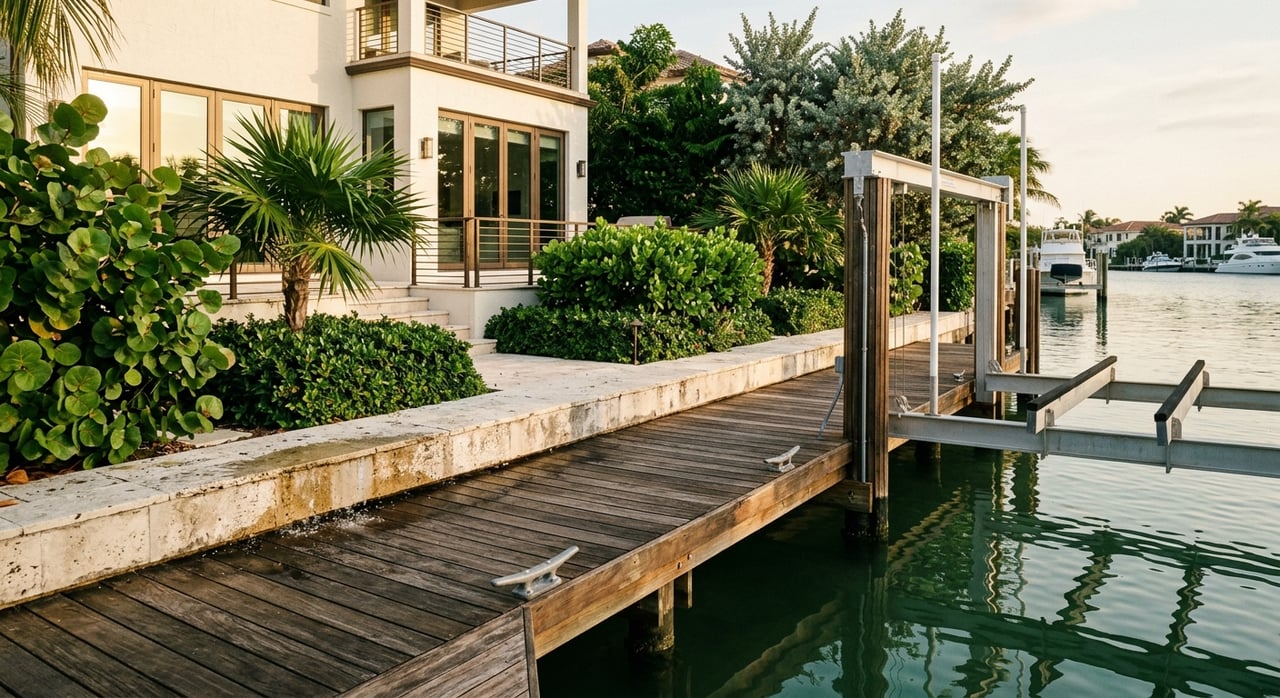
- Bay-facing: Dock ownership, boat lifts, and protected-water access are common priorities. You can fish, paddle, and launch more easily from home. Boat activity can be lively in peak season, especially near canals and passes.
Building details that change the experience
Stacks and floors
A “stack” is the vertical column of units with the same floor plan and exposure in a building. Stacks determine which direction you face, how the breeze hits your balcony, and whether you catch the sunset or morning light.
- Gulf towers: Higher floors usually provide broader, unobstructed views and less beach-level noise. Lower floors may have partial water views affected by dunes, trees, or nearby buildings.
- Bay buildings: Upper floors tend to widen the panorama across canals and bays. Lower floors sit closer to dock activity and may trade broad views for intimate water scenes.
Flood zones, surge, and insurance
Both Gulf and bay properties can sit in FEMA flood zones. Gulf-front buildings are often in higher-risk coastal categories and may require elevated construction and higher flood insurance premiums. Bay areas can still see surge amplification along canals and protected water, depending on the storm track and channel geometry.
What to request early:
- The building’s recent elevation certificate.
- Current FEMA flood zone designation and any community floodplain determinations.
- A snapshot of current flood insurance premiums for comparable units.
Hurricane resilience and building features
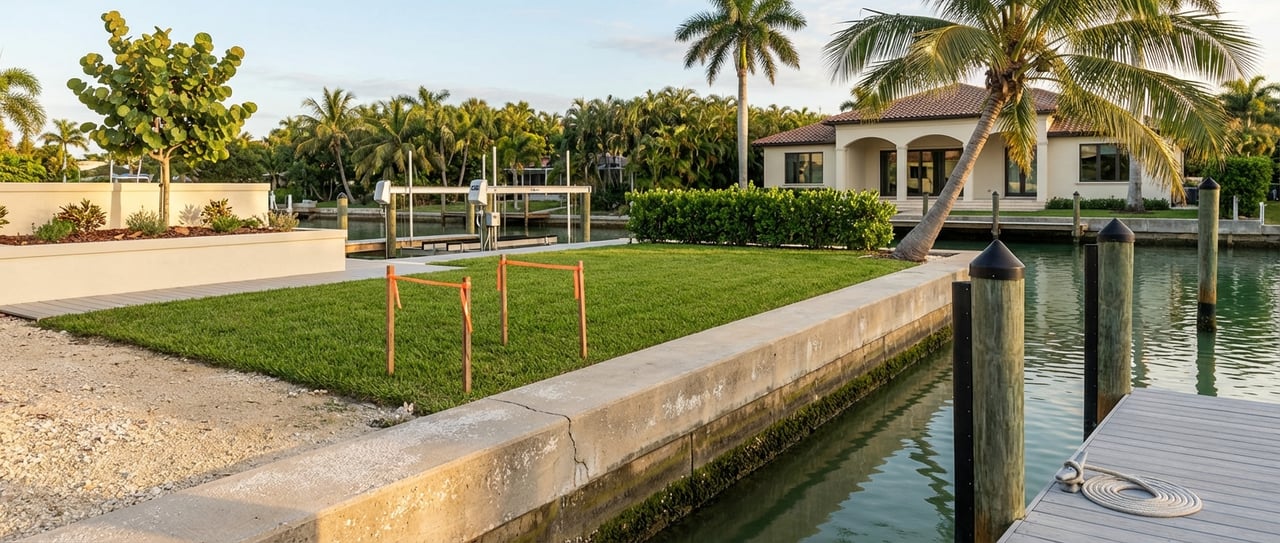
On the Gulf, direct wind exposure makes features like impact glass, hurricane shutters, and structural reinforcements especially valuable. On the bay, look closely at docks, lifts, and seawalls. Confirm permits, maintenance history, and any local requirements for repair or replacement that could affect future costs.
Also review building rules that affect lifestyle. Some associations regulate balcony use, grill policies, paddleboard storage, and shutter procedures.
Maintenance and long-term costs
Salt exposure drives maintenance on the Gulf. Balconies, metal railings, and HVAC components can show faster wear, especially in older buildings. On the bay, plan for dock and lift servicing, plus potential seawall upkeep.
For both settings, study HOA reserves and recent capital projects to understand future assessments. Ask for meeting minutes and reserve studies that outline scheduled work like facade restoration, roof replacement, seawall repairs, or elevator upgrades.
Create your shortlist: a touring checklist
Use this checklist to compare specific units and stacks in person or via video.
View and orientation
- Which direction does the unit face (true west, northwest, southeast)?
- Is the view open water, partial water, or filtered by vegetation or buildings?
- Can you see the horizon from seated height on the balcony?
Sun and heat
- Visit mid-afternoon and at sunset to gauge glare and heat.
- Ask about window specs and whether the unit has insulated or impact glass.
- Review recent electric bills for west-facing units.
Wind and balcony usability
- Test balcony comfort on breezy days. Are there screens or shades that cut wind?
- Check for salt buildup, corrosion on railings, and balcony surface condition.
- Confirm building policies for balcony furnishings and storage.
Noise and activity
- Listen at different times: weekday mornings, weekend afternoons, and evenings.
- Note surf sound, beachgoer chatter, boat engines, and nearby street noise.
- Ask about short-term rental policies and whether rentals increase traffic.
Boating access and dock details (bay properties)
- Is dockage deeded, leased, or waitlisted? Are there rules on boat size?
- Inspect seawalls, pilings, lifts, and electrical. Ask about recent servicing.
- Confirm route to the nearest inlet, bridge clearances, and typical water depths.
Flood, insurance, and structure
- Request the elevation certificate and the FEMA flood zone.
- Ask about prior storm damage, completed repairs, and open claims.
- Review current flood and master policy premiums for similar units.
HOA health and upcoming work
- Read recent HOA minutes and engineer reports.
- Review reserve studies and planned projects for the next 5 to 10 years.
- Ask about the history of special assessments.
Environmental and shoreline changes
- Ask about any beachfront nourishment, seawall projects, or local flood mitigation plans.
- For bay properties, inquire about dredging history or protected mangrove areas that affect access.
Lifestyle fit and access
- How walkable is the unit to Vanderbilt Beach Park or Delnor-Wiggins Pass State Park?
- If boating is key, time the trip to open water and note any no-wake zones.
- Match exposure to your habits: sunsets on the Gulf or calm mornings on the bay.
Which lifestyle fits you best?
- Choose Gulf-front if you want iconic sunsets, sand-on-demand, and a resort-like vibe. You will prioritize west-facing stacks, higher floors for horizon views, and strong wind and impact protections.
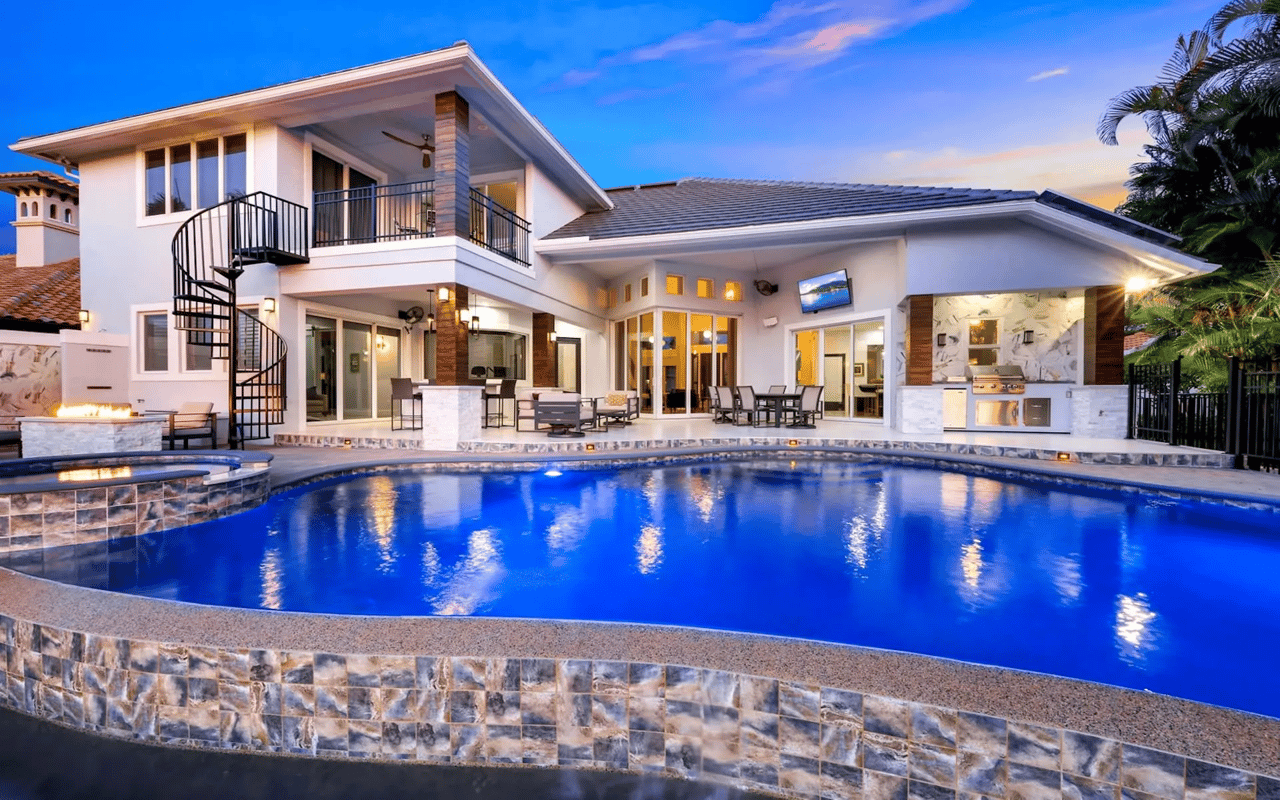
- Choose bay-facing if you want dock life, calmer water, and a more residential feel. You will prioritize deeded dockage or practical access, seawall condition, and morning light.
Both options can be exceptional. The right choice is the one that delivers your daily rhythm: beach walks and sunsets or boating and backyard fishing.
Your next step
If you want to compare specific buildings, stacks, and floor levels around Vanderbilt Beach, a tailored shortlist will save you time. We can help you weigh view corridors, flood and insurance profiles, HOA health, and lifestyle fit before you tour. For a private, concierge review of on- and off-market opportunities, contact the Rigsby Team.
FAQs
What defines a true Gulf-front view at Vanderbilt Beach?
- A true Gulf-front view typically faces west over open water with an unobstructed horizon, which is most consistent on higher floors in beachfront towers.
How do flood zones affect Gulf vs. bay insurance costs?
- Gulf-front buildings are often in higher-risk coastal zones that can raise flood premiums, while bay properties can still face surge effects through canals depending on location and elevation.
What should you ask an HOA before buying a bay-facing condo?
- Request reserve studies, recent minutes, and policies for docks, boat size, balcony use, and any planned seawall or marina projects that could trigger assessments.
Do bay-facing condos near Vanderbilt Beach get sunset views?
- Some do, but it depends on orientation and view corridor, so verify exposure and sightlines in person around sunset to confirm what you will actually see.
How does wind exposure change by floor level on the Gulf?
- Higher floors feel stronger breezes and carry more salt spray, which can improve cooling but may affect balcony comfort and exterior maintenance.
What is a “stack” and why does it matter when buying?
- A stack is a vertical line of units with the same layout and exposure, and it determines your light, wind, view angle, and how a balcony functions day to day.
What are key dock considerations for bayfront single-family homes?
- Confirm whether dockage is permitted and up to code, check lift capacity and power, review seawall condition, and ask about water depth and bridge clearance to the Gulf.