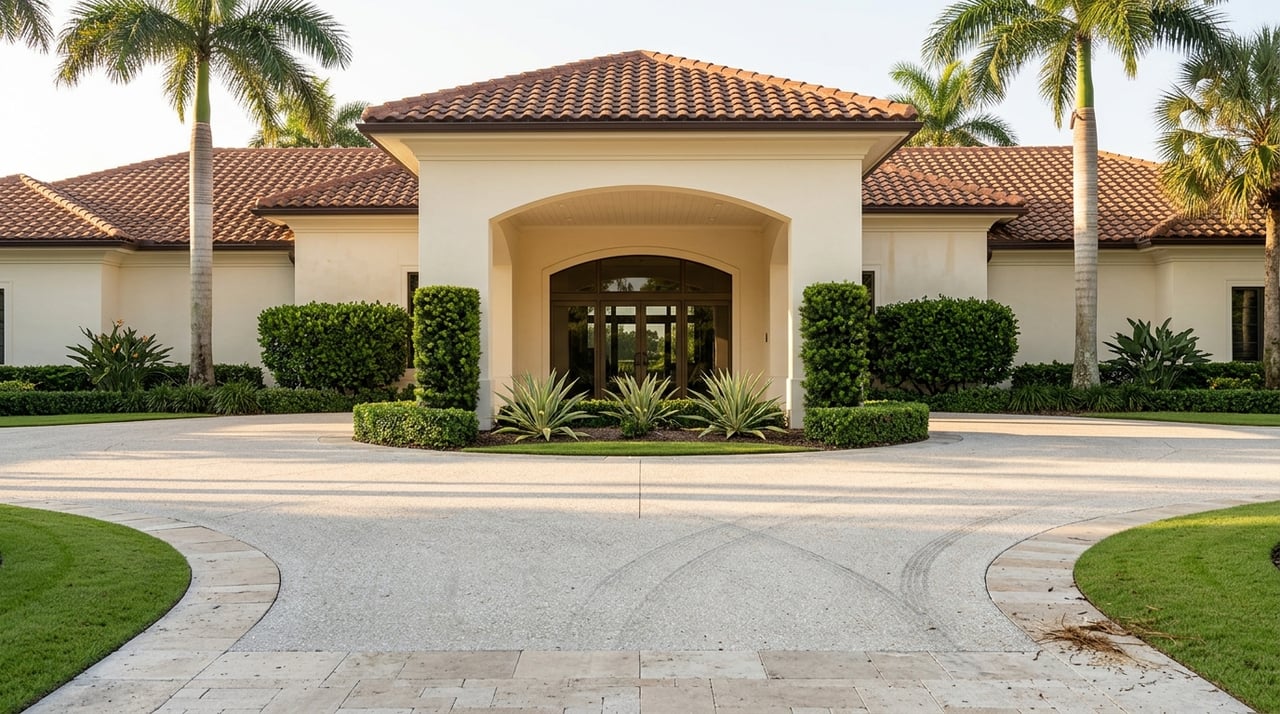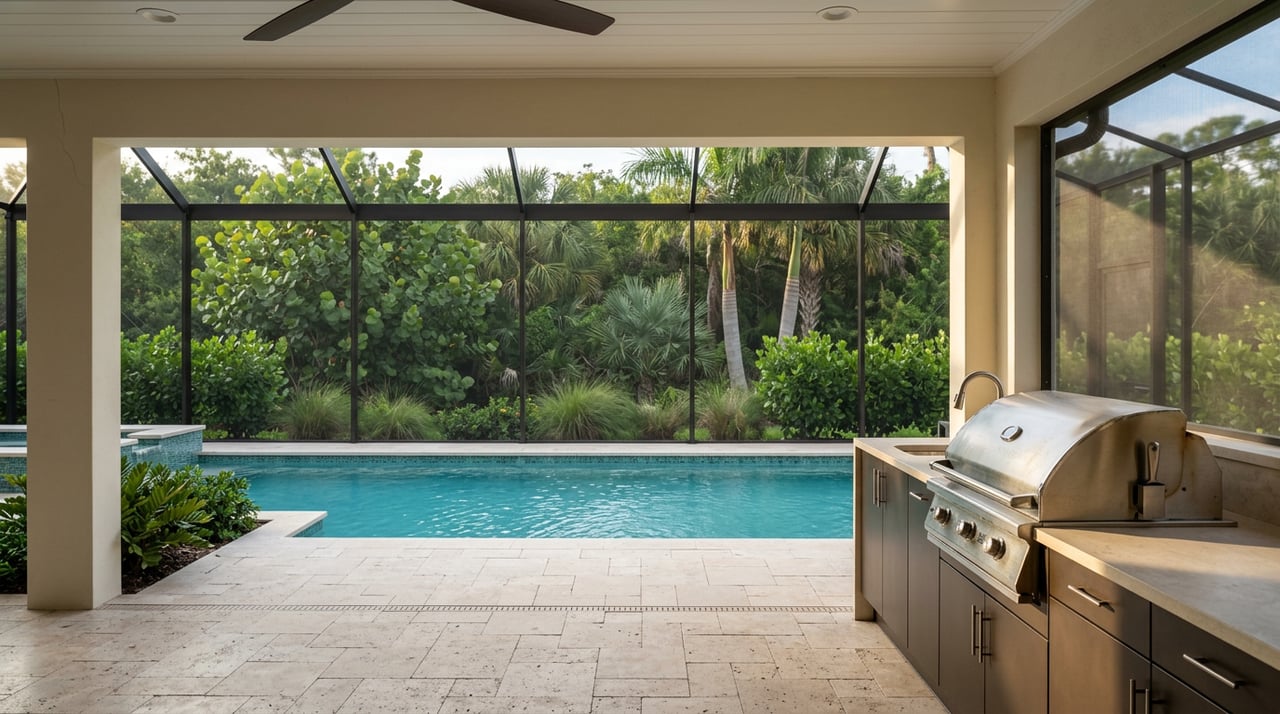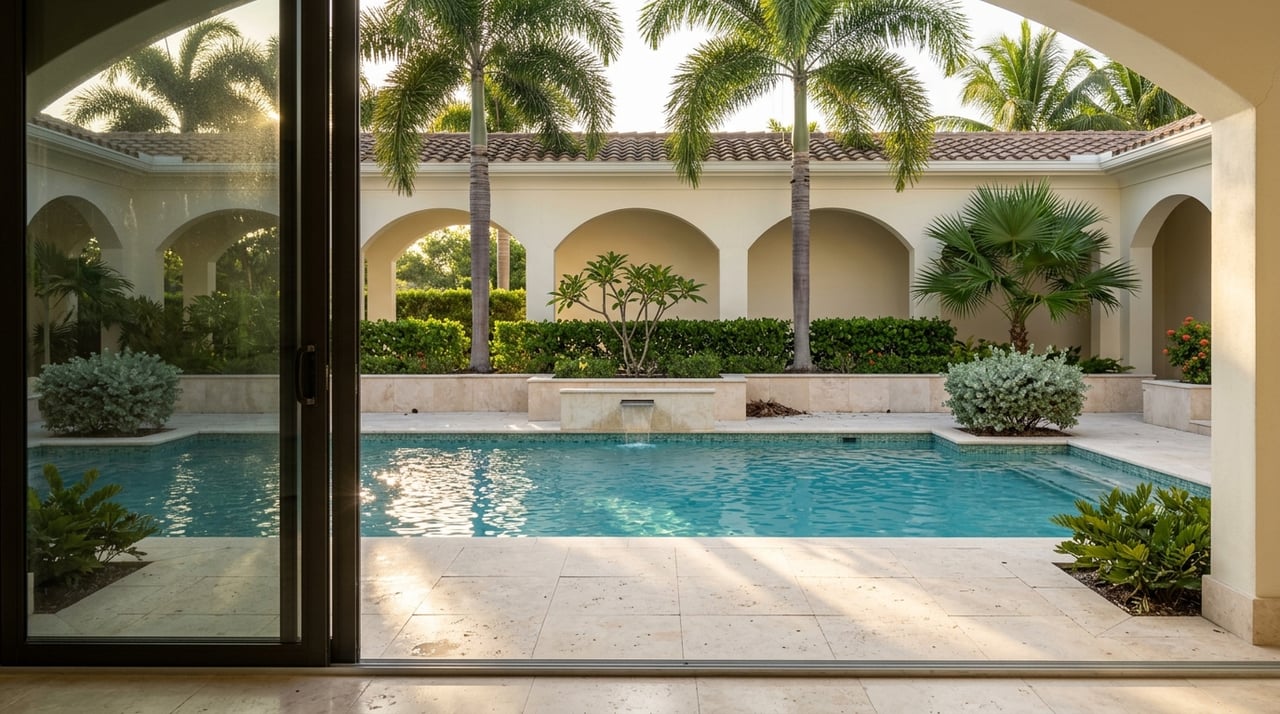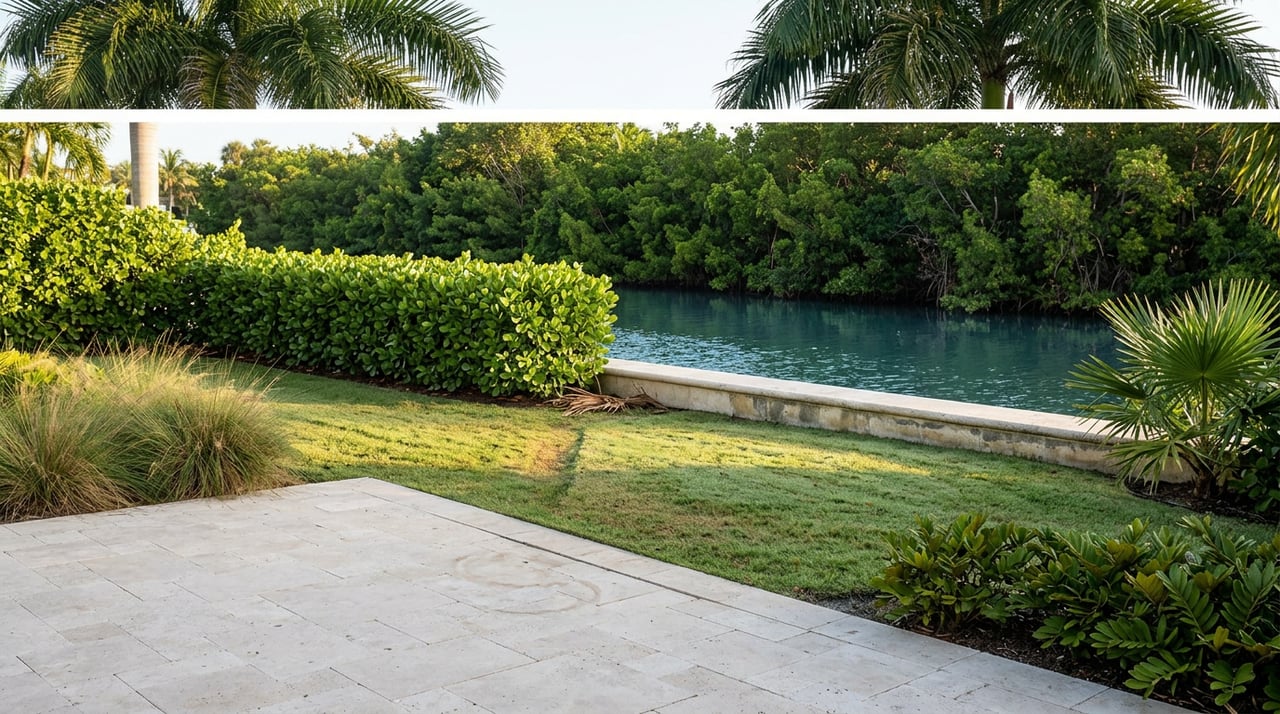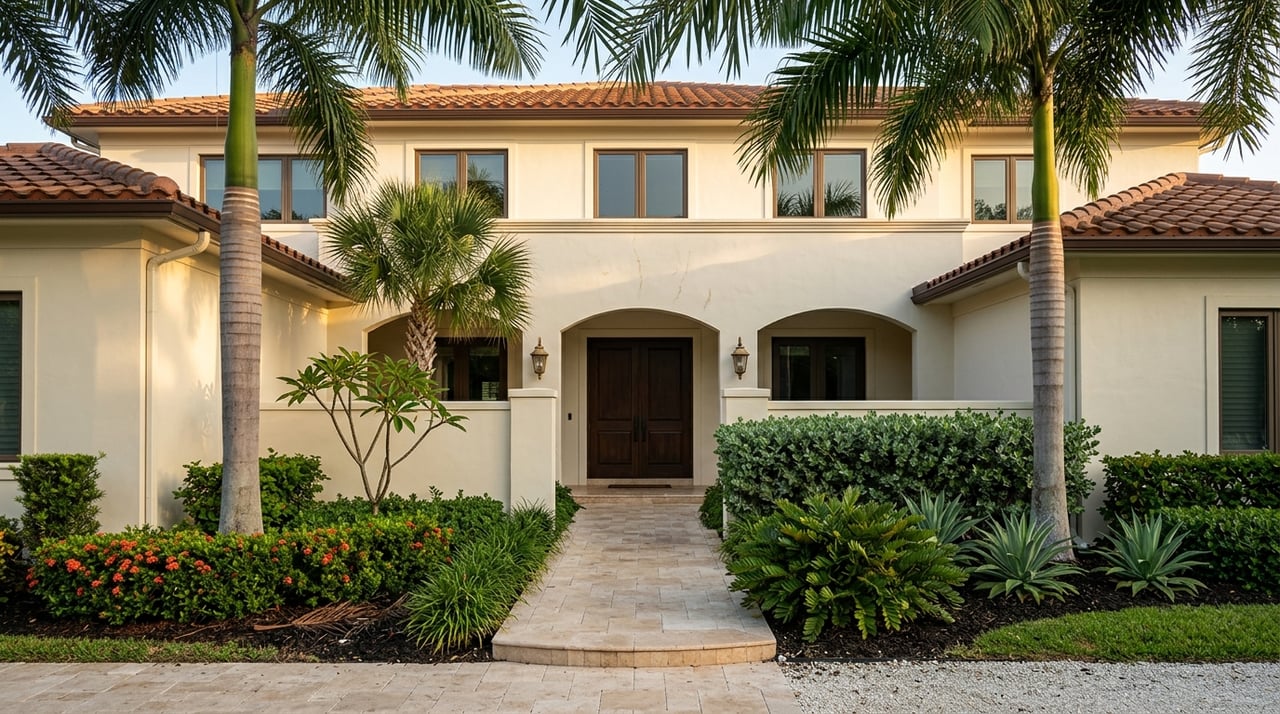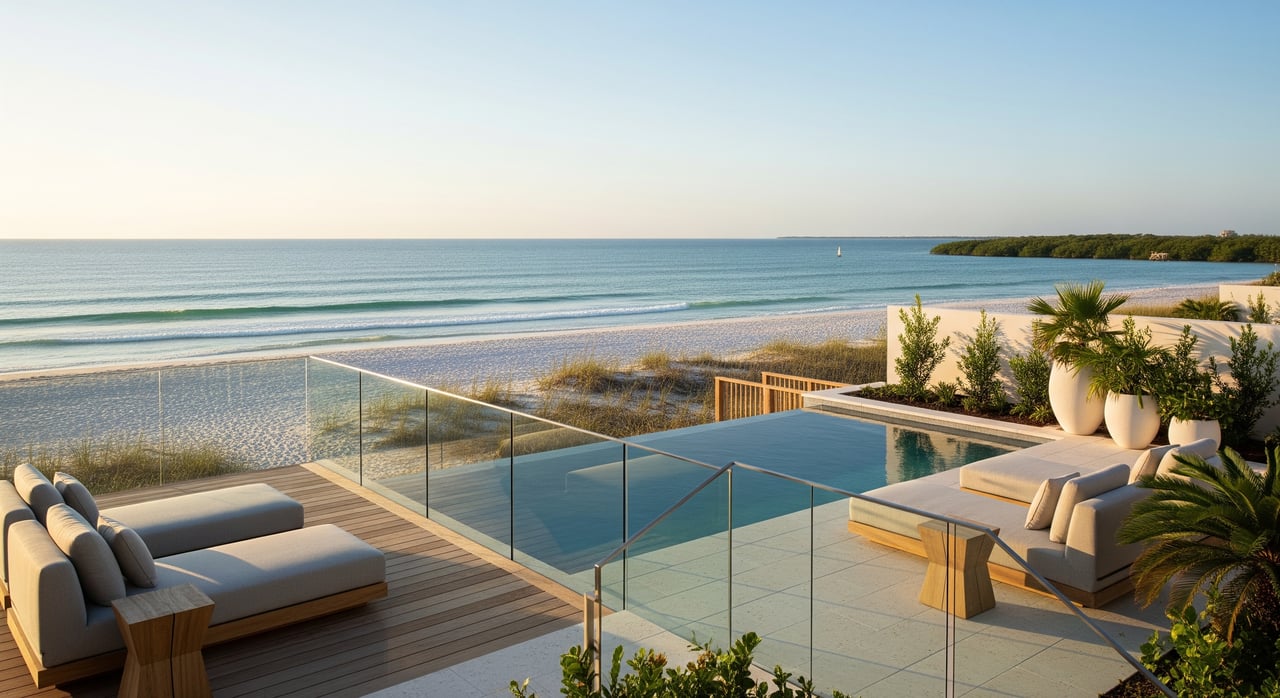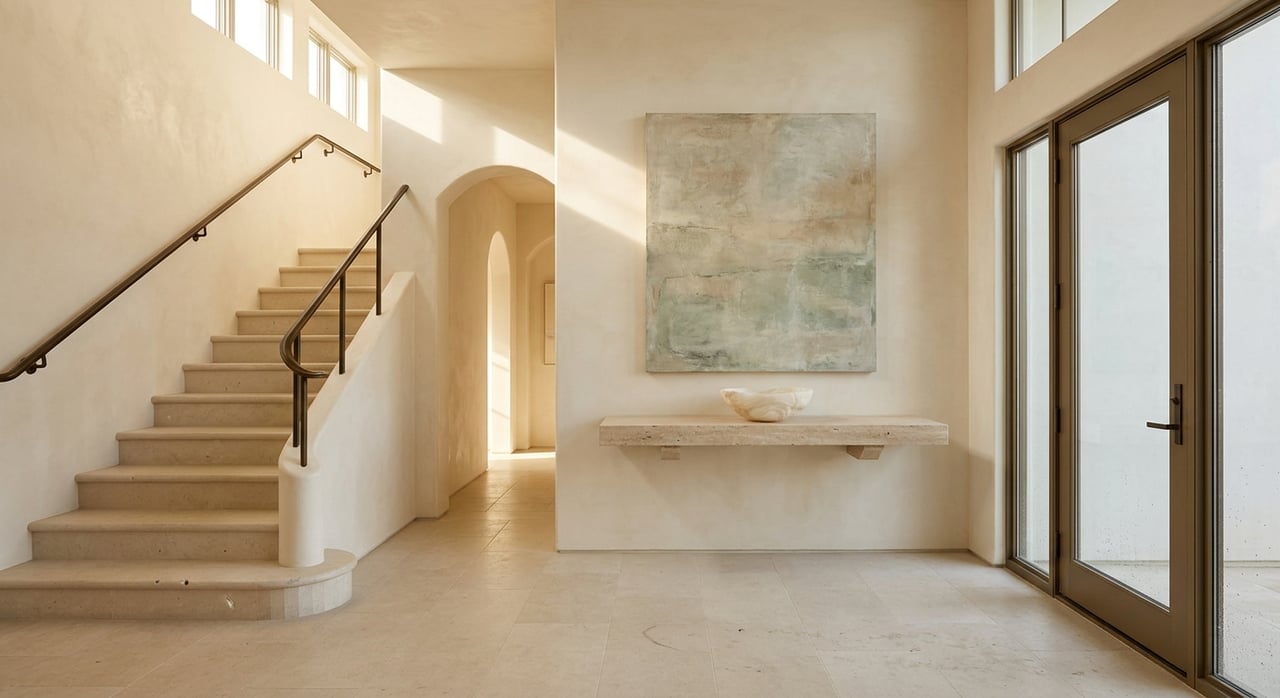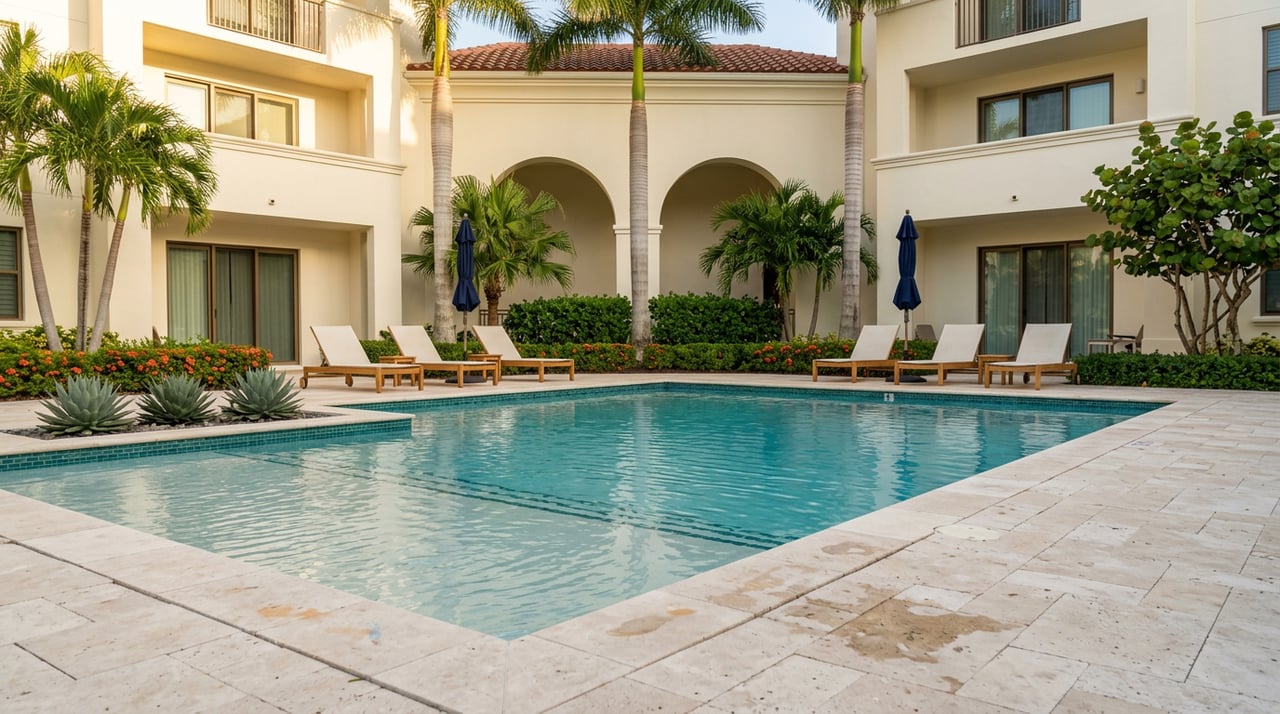
Thinking about a brand-new custom estate or a recently built resale in Naples? You are not alone. In a market where address scarcity and coastal rules shape what you can own, the right choice depends on your timeline, risk tolerance, and long-term plans. This guide breaks down what truly matters in Collier County so you can move forward with clarity and confidence. Let’s dive in.
Naples luxury landscape: what you can buy
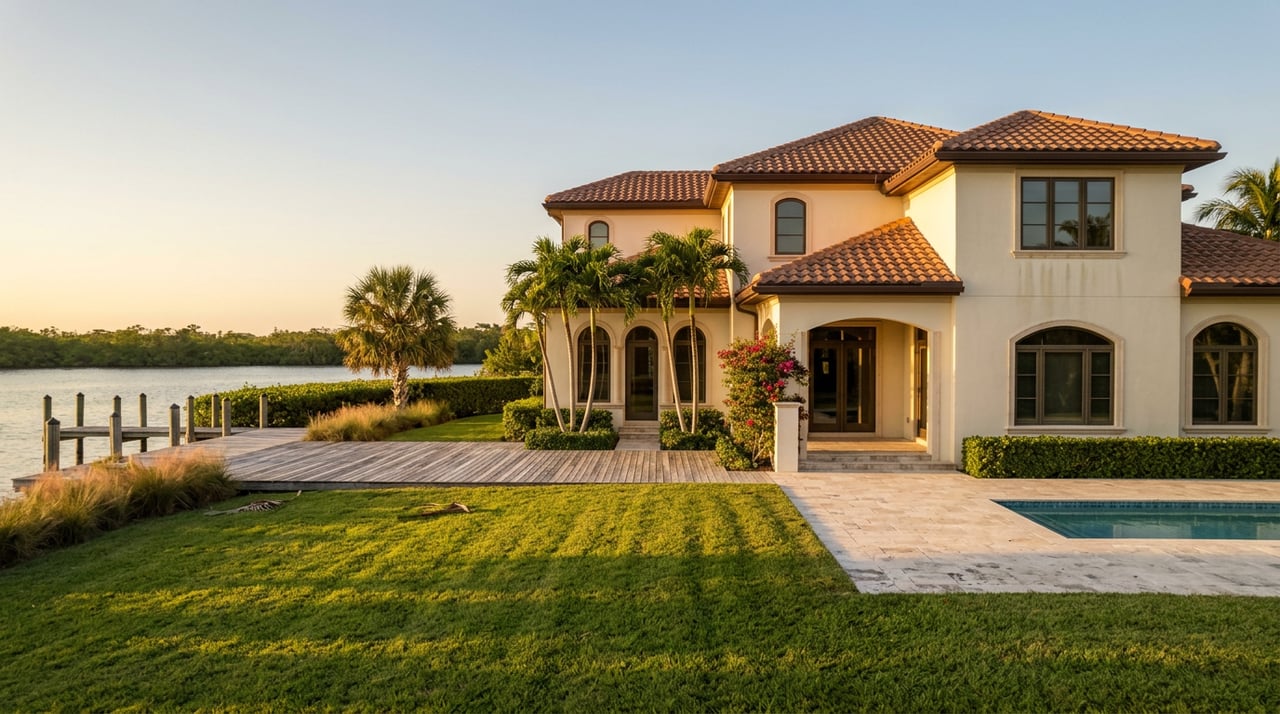
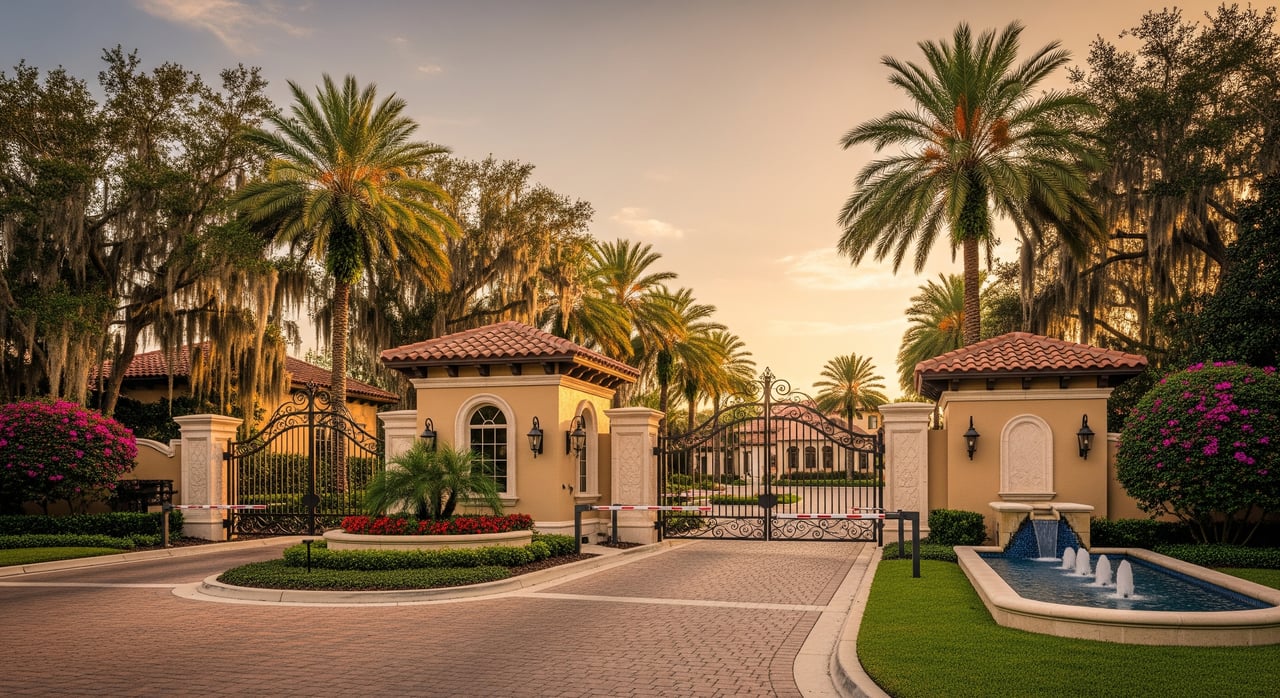
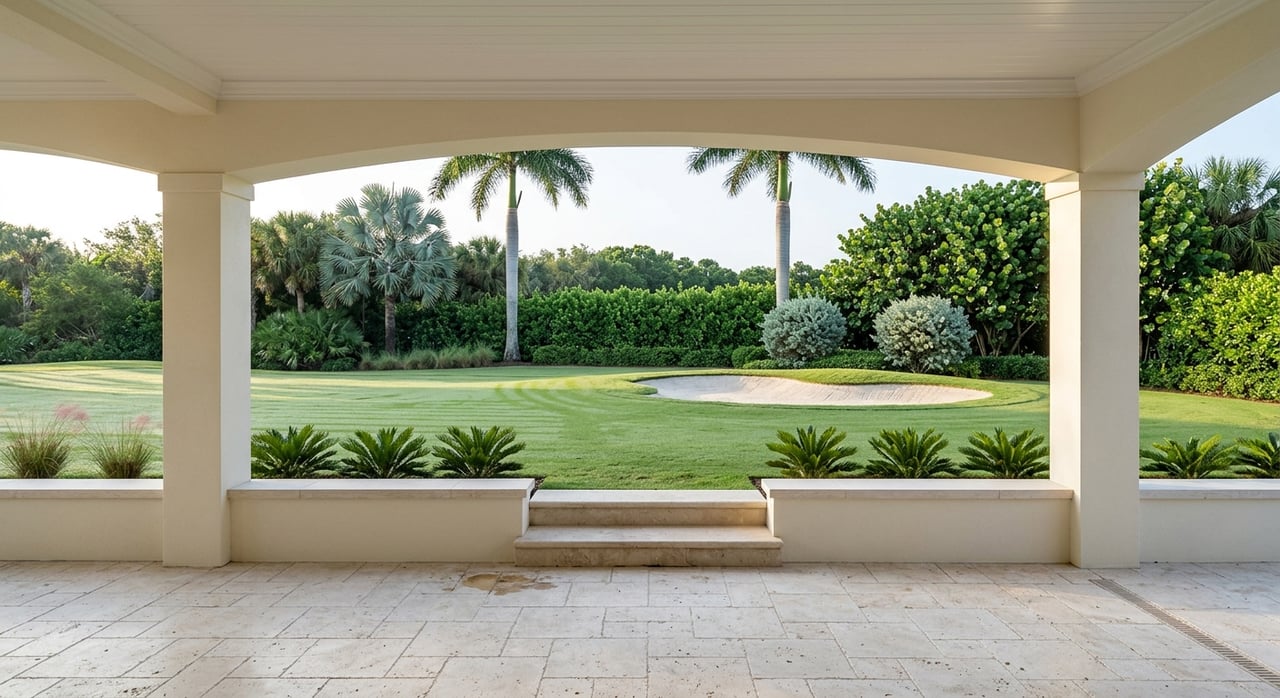
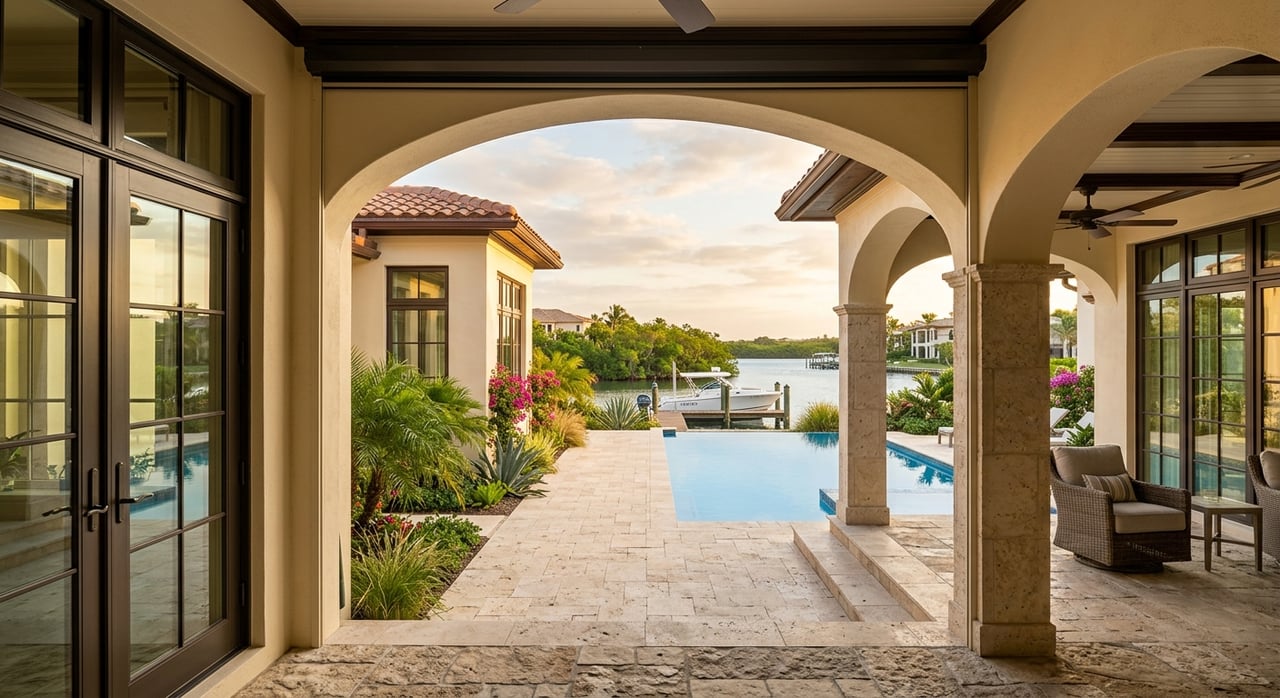
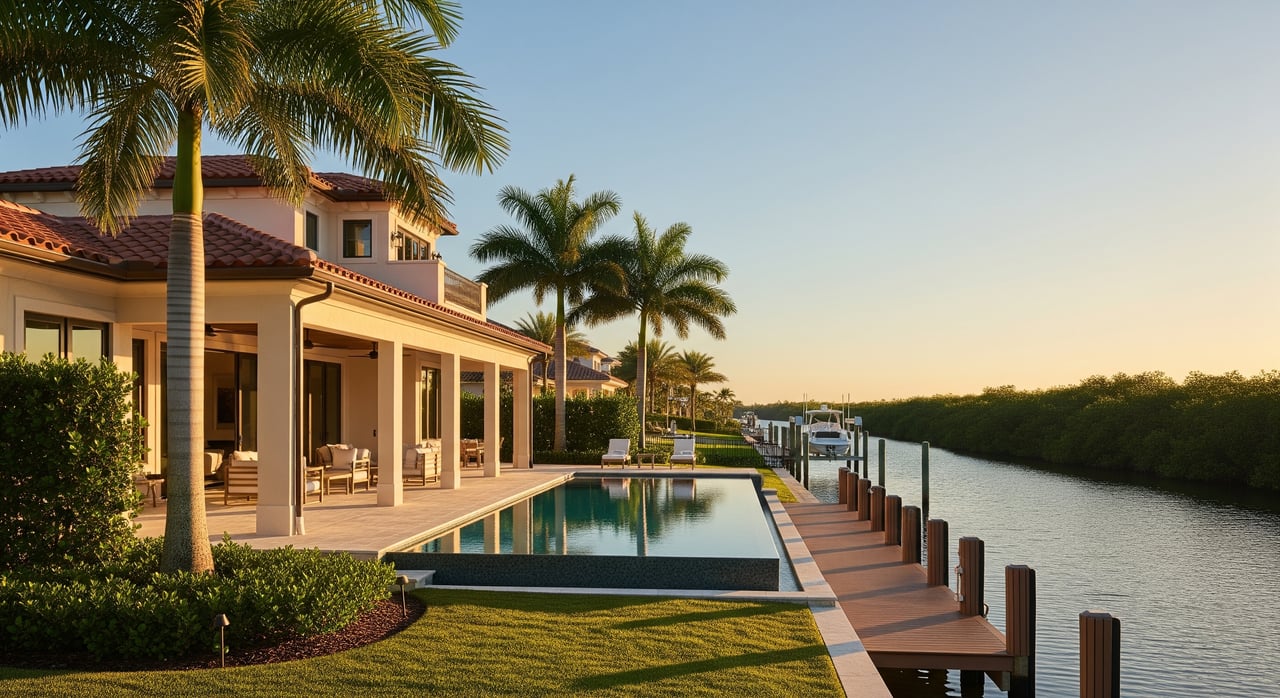
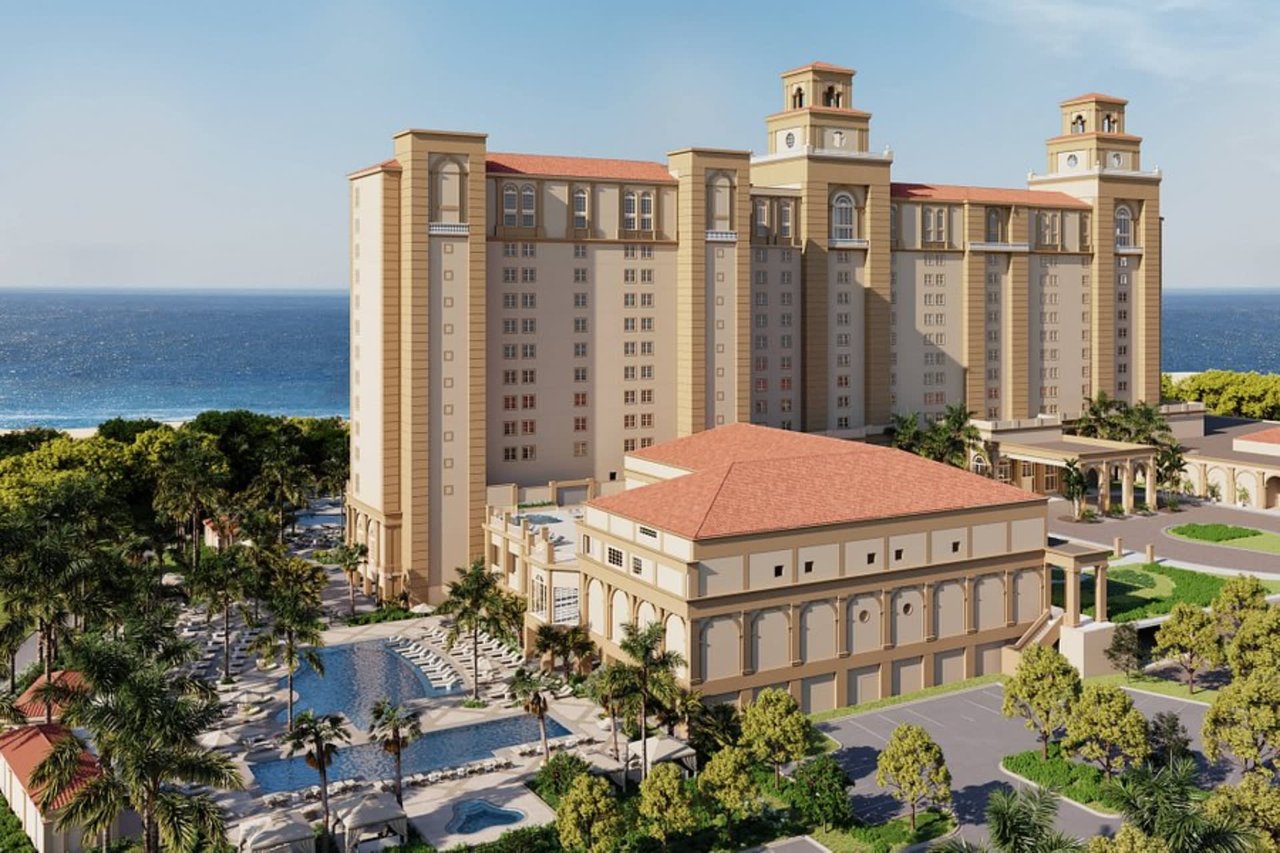
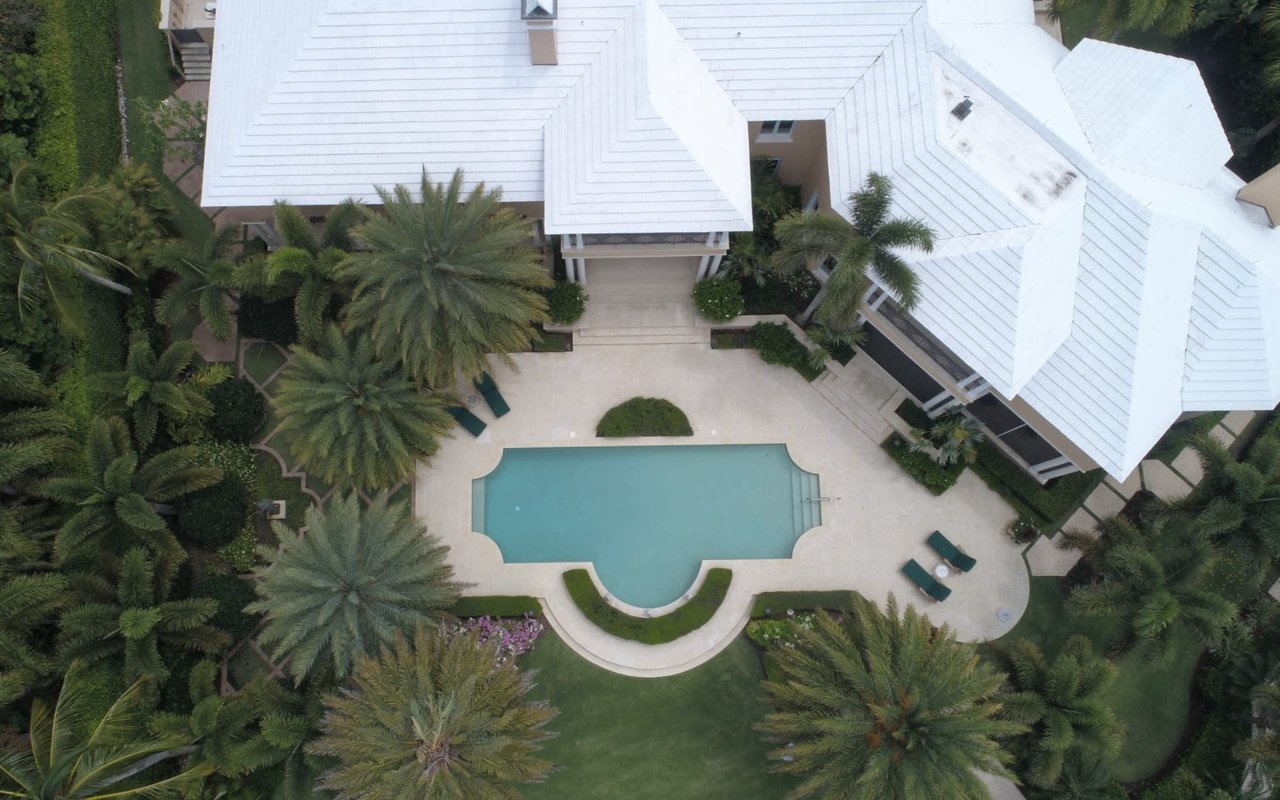
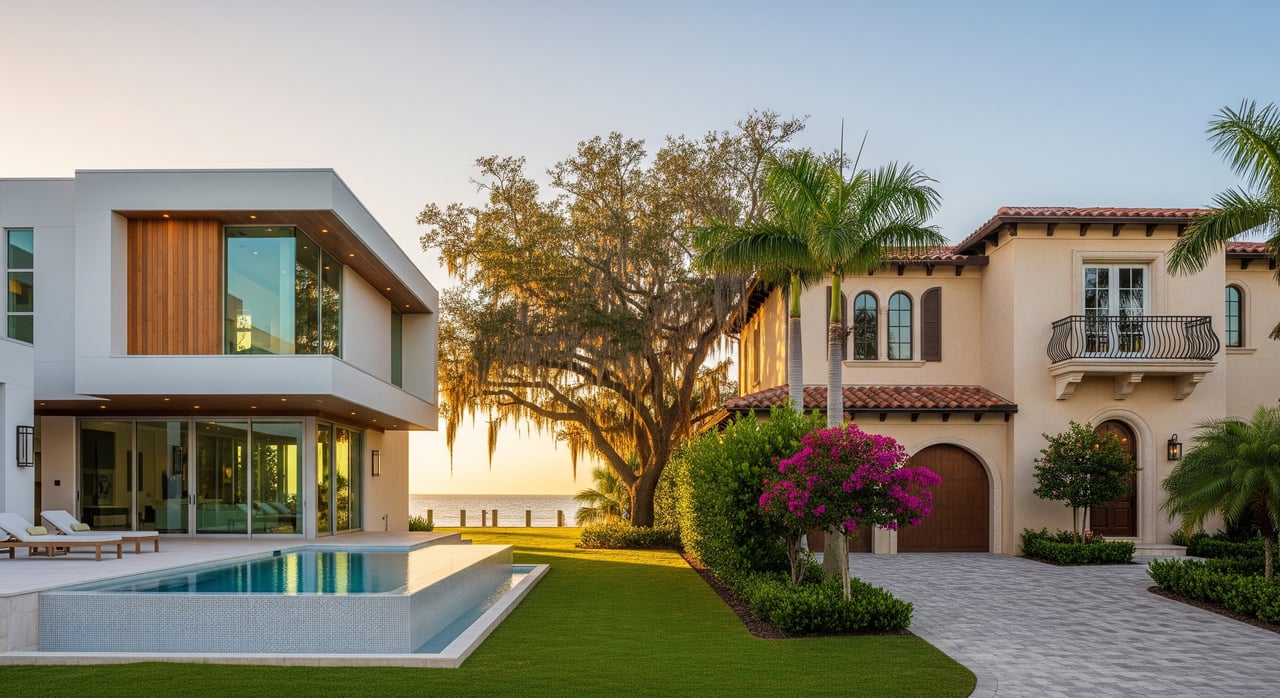
Naples offers distinct luxury segments: direct Gulf-front estates, deep-water canal or bayfront properties with dockage, gated golf and country-club homes, and inland modern estates. Each draws different buyer pools and has its own scarcity and pricing dynamics. In top micro-markets like Port Royal, Aqualane Shores, and Old Naples, raw waterfront lots are scarce, so many buyers focus on resale or redevelopment rather than true ground-up builds.
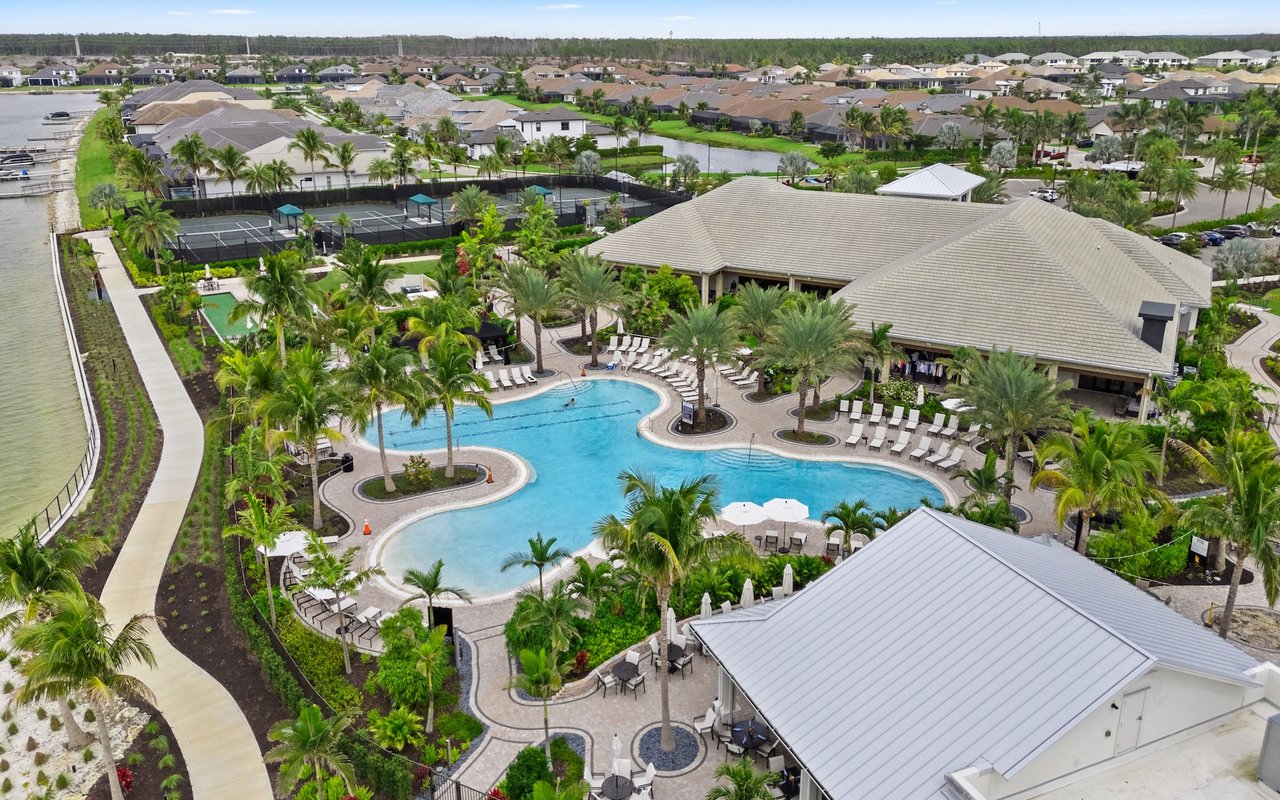
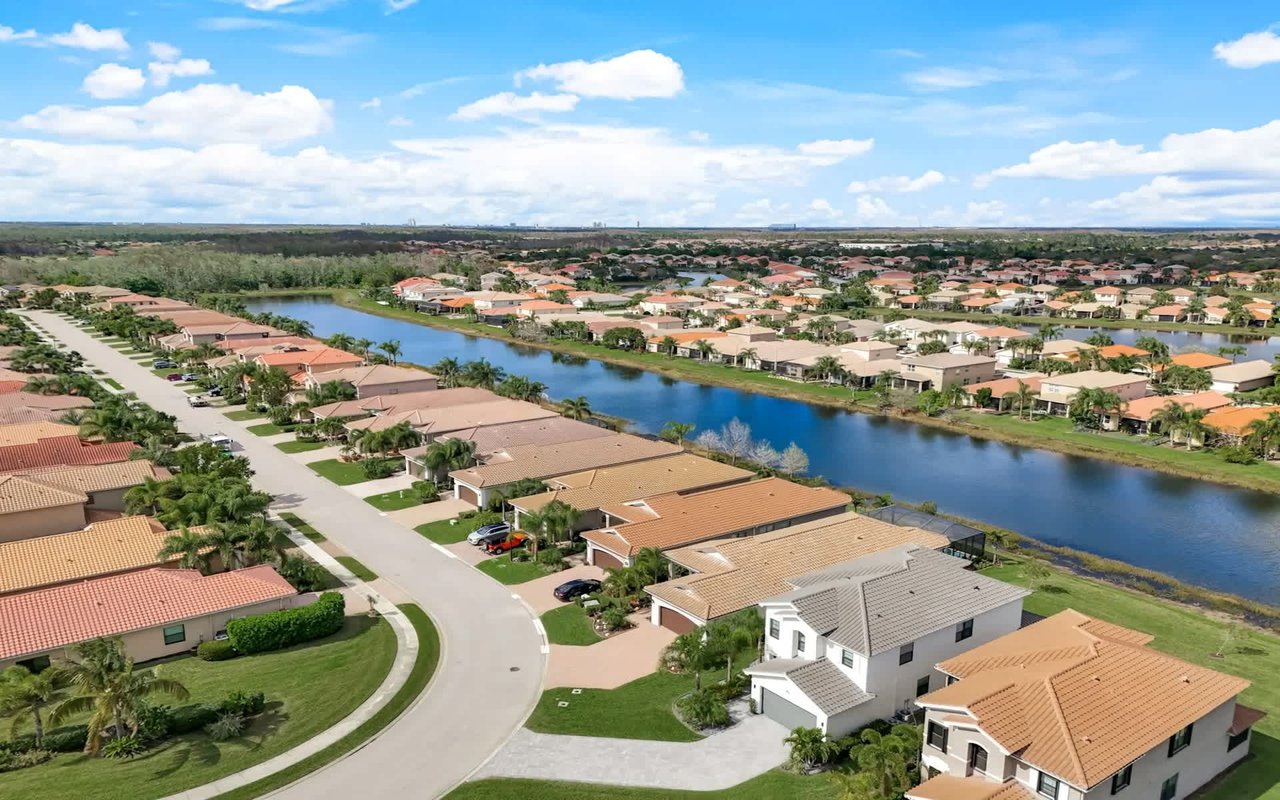
Walkable in-town lots near Old Naples and the 3rd Street or 5th Avenue districts can carry a strong address premium. Newer master-planned communities and select North Naples pockets may offer new construction or spec opportunities, often with modern amenities and shorter timelines. Your decision often comes down to location first, then product type.
New construction: what you gain and give up
Modern architecture and systems
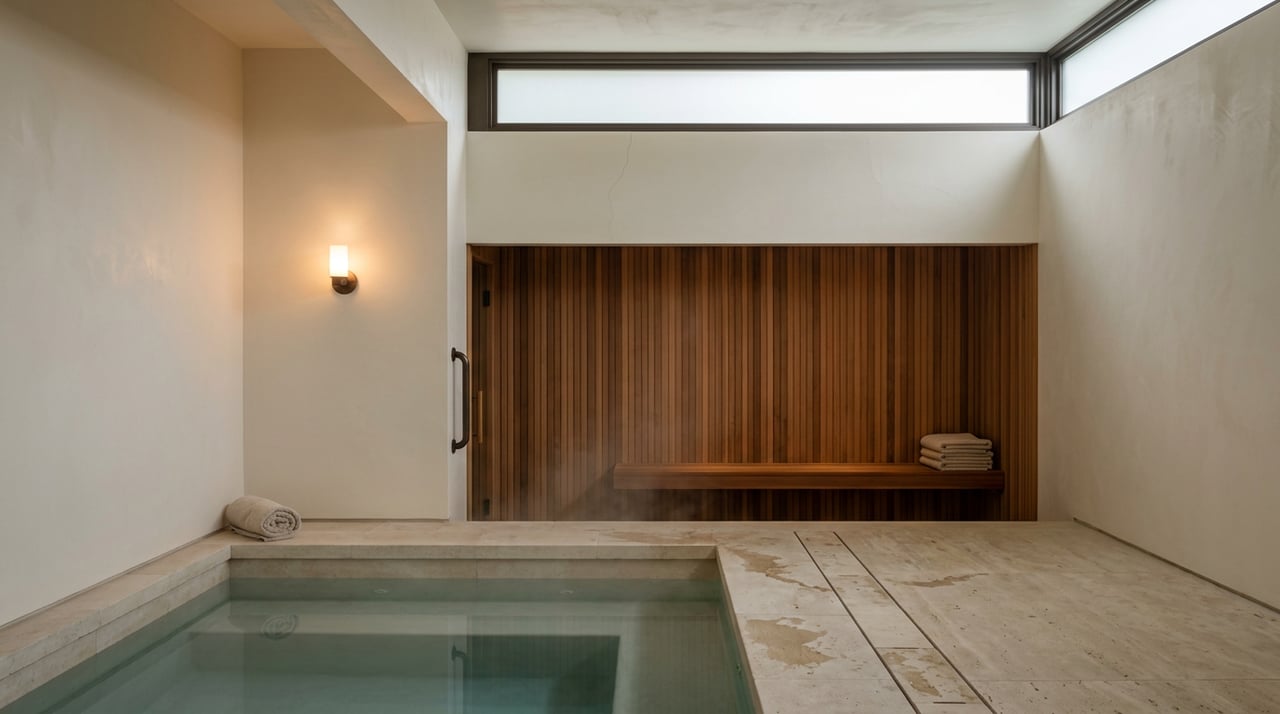
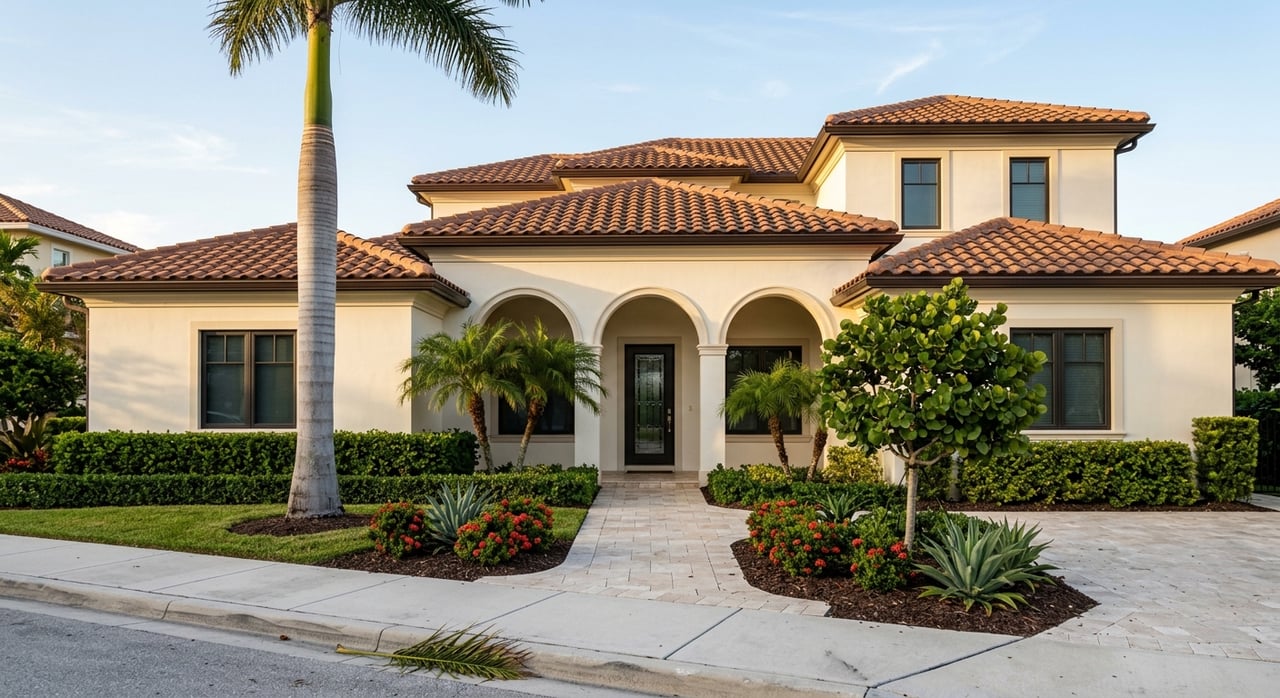
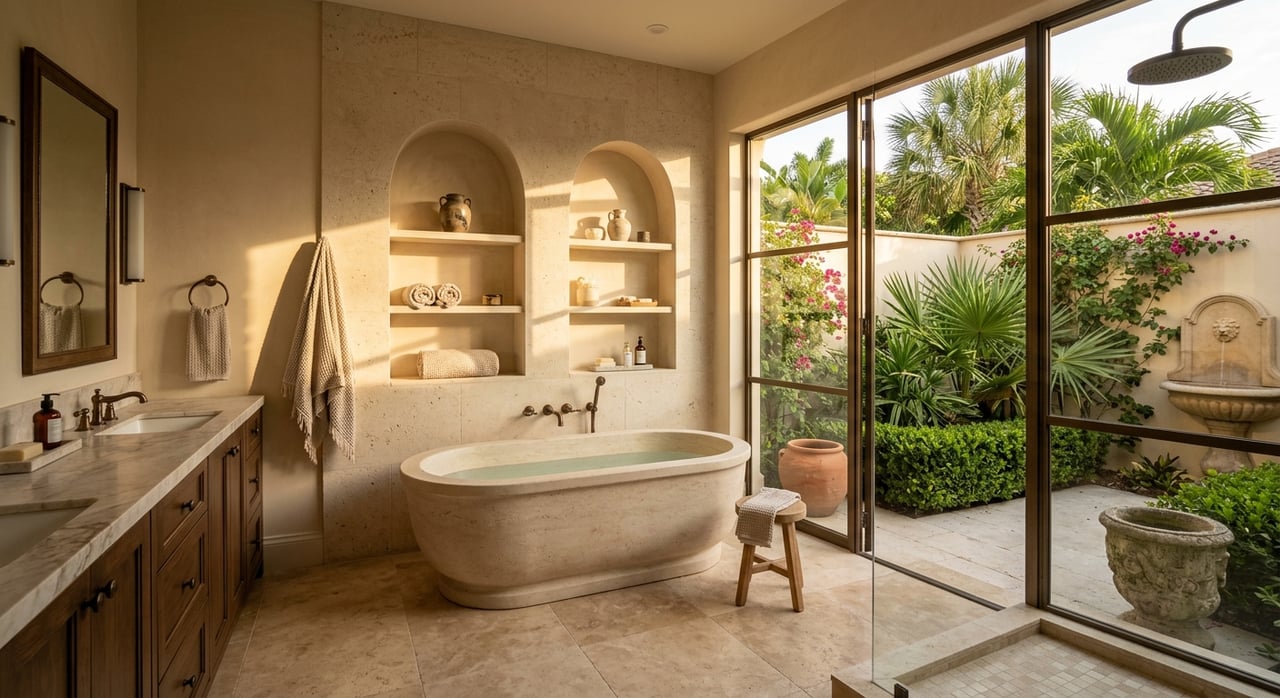
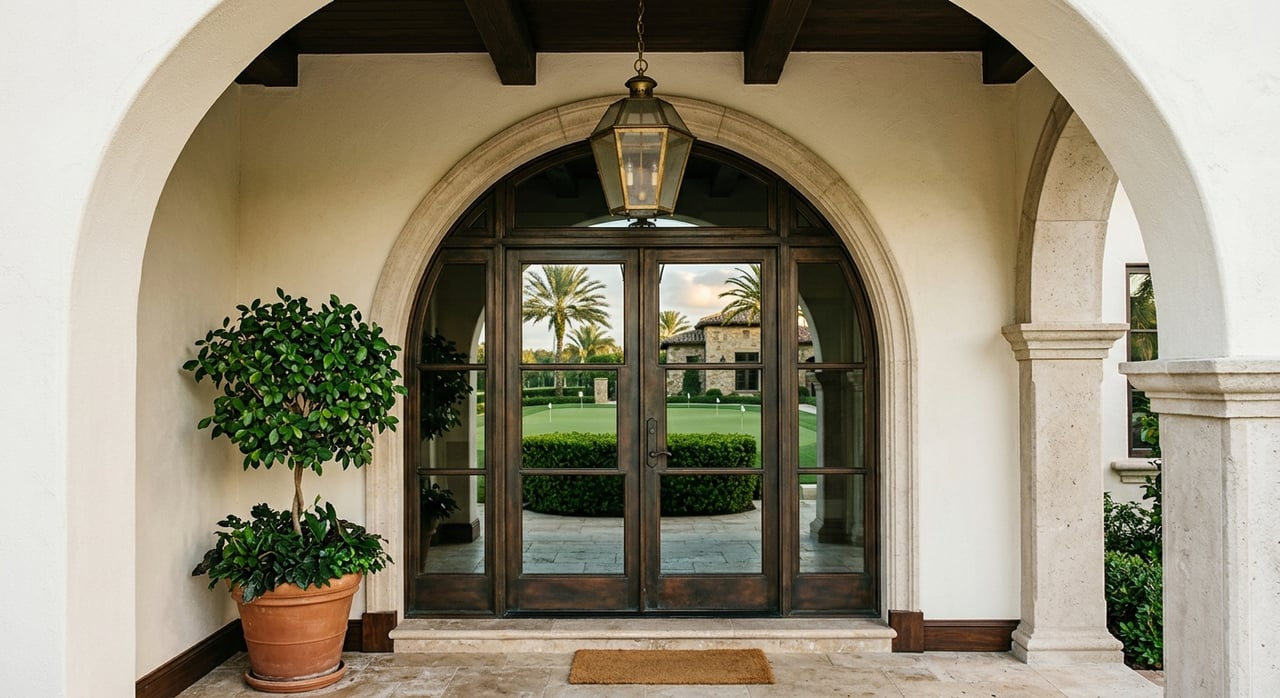
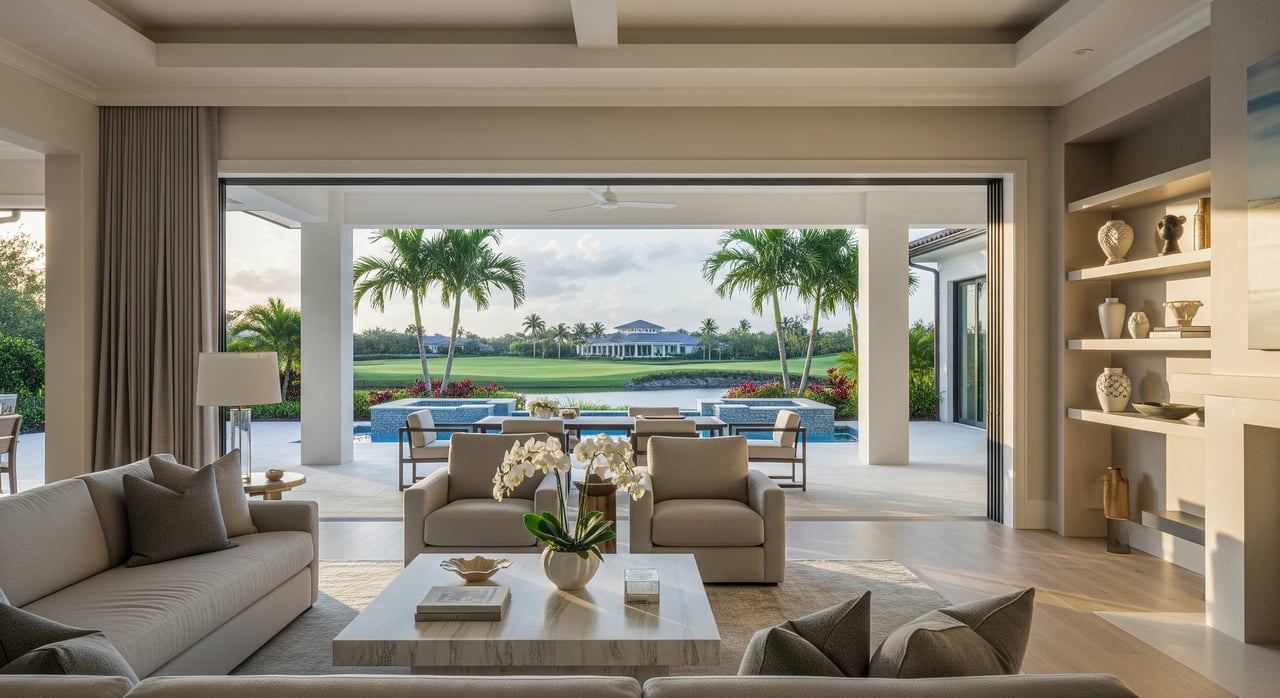
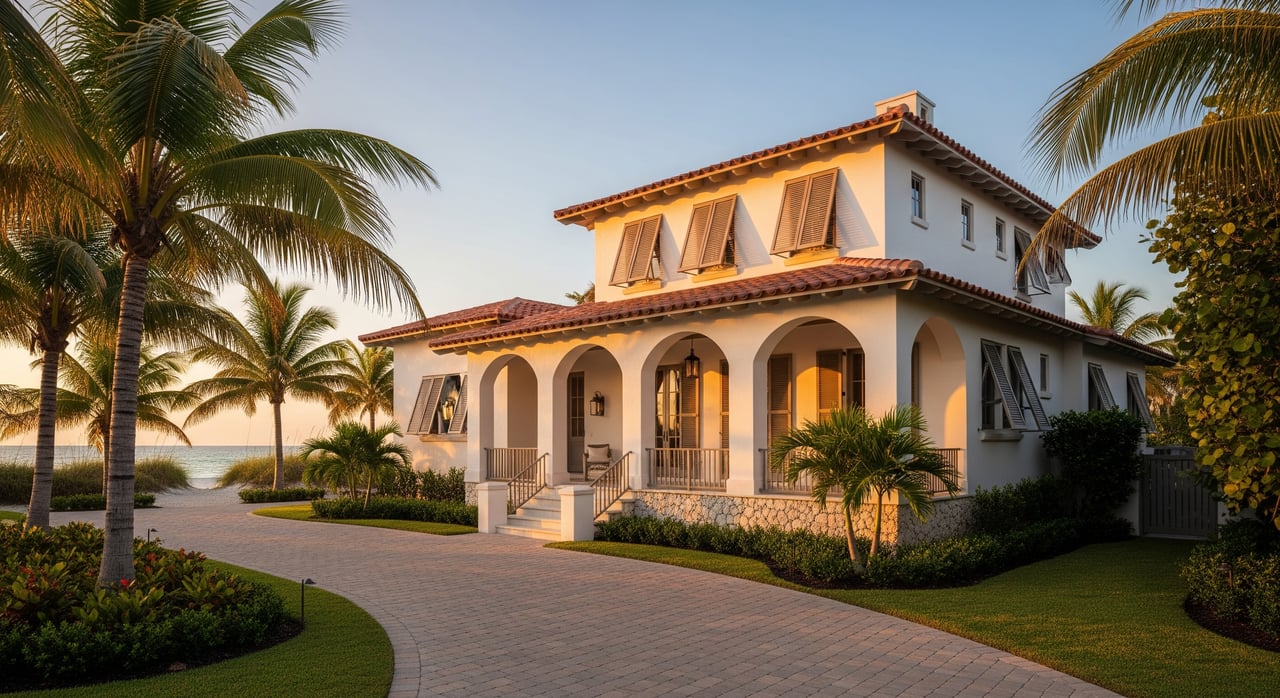
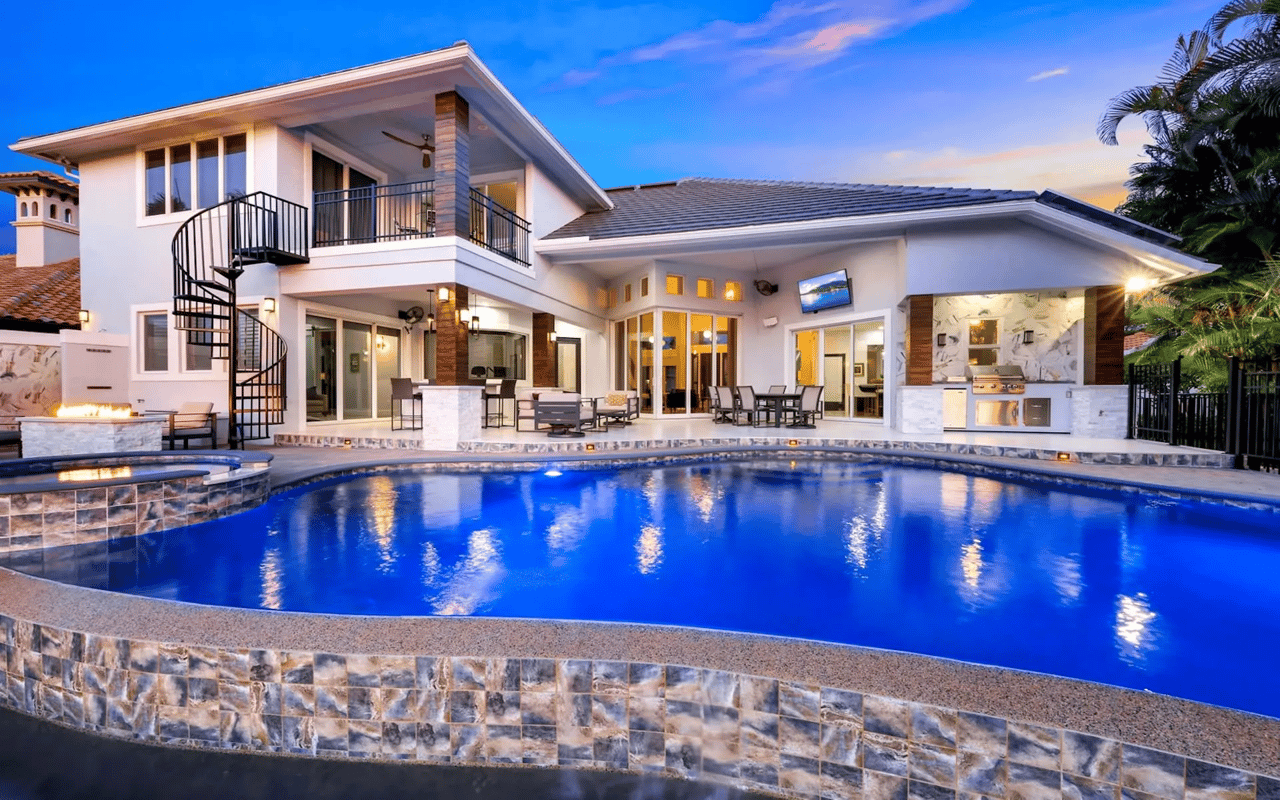
High-end new builds lean into open plans, higher ceiling heights, expansive glass, indoor-outdoor integration, and smart-home systems. You also get current-code hurricane-rated windows and doors, energy-efficient HVAC, and the chance to tailor finishes. Customization is a benefit, but it can extend build time and add cost, so careful allowance planning matters.
Timeline and process
A custom luxury build commonly runs 12 to 24 months from planning to move-in. Expect steps like site due diligence, permitting, shell and rough-ins, selections and finishes, then landscape and final inspections. The National Association of Home Builders outlines typical phases and warranty structures that can help you set realistic expectations.
Financing and certainty
New construction often uses construction or construction-to-permanent loans, which require builder credentials, a detailed budget, and an appraisal of the proposed home. Appraisals can be complex for unique properties with few comparables. Resale offers more certainty, while building introduces variables like permitting timelines, change orders, and supply chain shifts.
Insurance posture
Homes built to the current Florida Building Code typically include wind-mitigation features that may support more favorable windstorm premiums compared to older properties without mitigation. For policy guidance and market context, consult the Florida Office of Insurance Regulation and consumer resources from Citizens Property Insurance.
Resale luxury: strengths and tradeoffs
Speed and negotiation
Recently built resales often close in about 30 to 60 days, especially with cash or straightforward financing. You see the home, inspect it, and move in when you close. Depending on market conditions, resale sometimes offers more room for negotiation on price or repairs than a hot new build.
Known product, immediate lifestyle
A quality resale delivers a known condition, established landscaping, and often a turnkey lifestyle. If the home is within a premier address or offers deep-water dockage, you capture that location premium without waiting to build. The tradeoff is that some homes may need refreshes to match the newest finishes or features.
Recent resale vs older resale
Resales built within the last 5 to 10 years often include impact windows, chef kitchens, and open plans already. Older luxury homes can be excellent opportunities in prime locations, but you should budget for renovations or major systems updates over time.
Waterfront and regulatory factors that move the needle
Flood zones and elevation
Much of Naples’ waterfront falls within FEMA flood zones that affect design, elevation, and insurance requirements. Review maps and base flood elevations using the FEMA Flood Map Service Center. Elevation certificates help you understand risk and premium implications before you commit.
CCCL and Gulf-front building
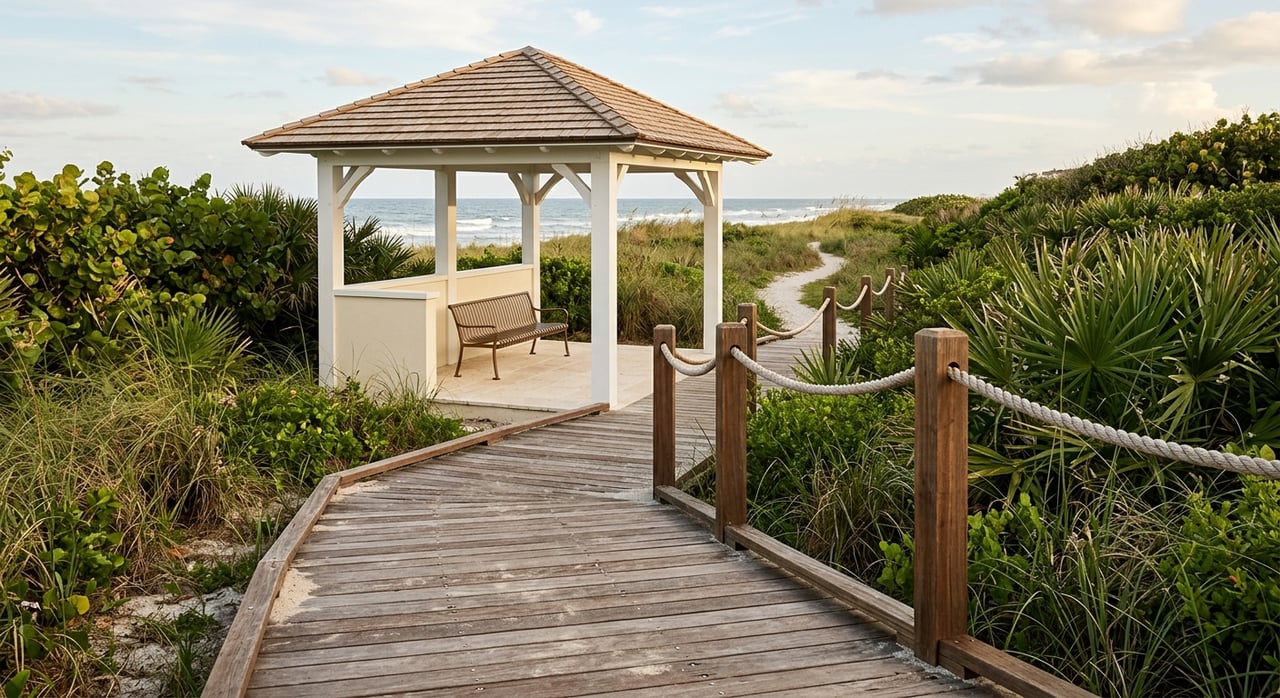
Gulf-front construction is subject to Florida’s Coastal Construction Control Line rules that govern setbacks, dune protection, and allowable improvements. Before you pursue a Gulf-front build or major renovation, review the Florida DEP Coastal Construction Control Line program and confirm what is possible on a specific lot.
Seawalls, docks, and dredging
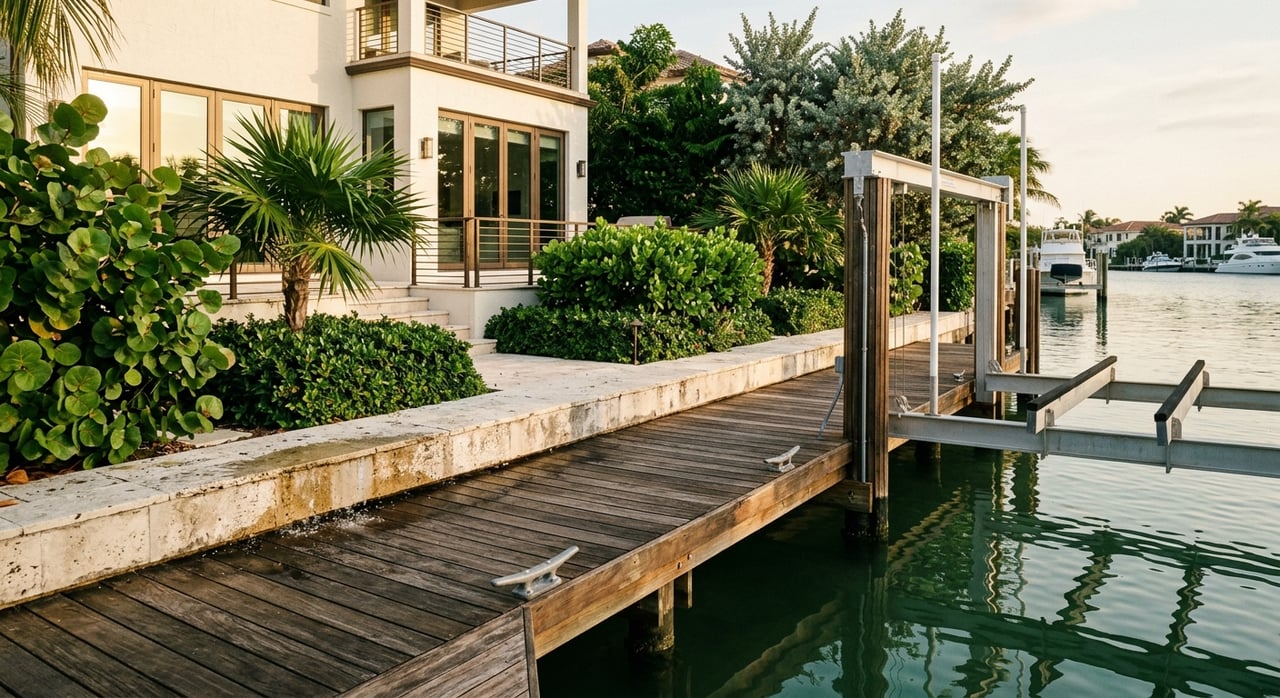
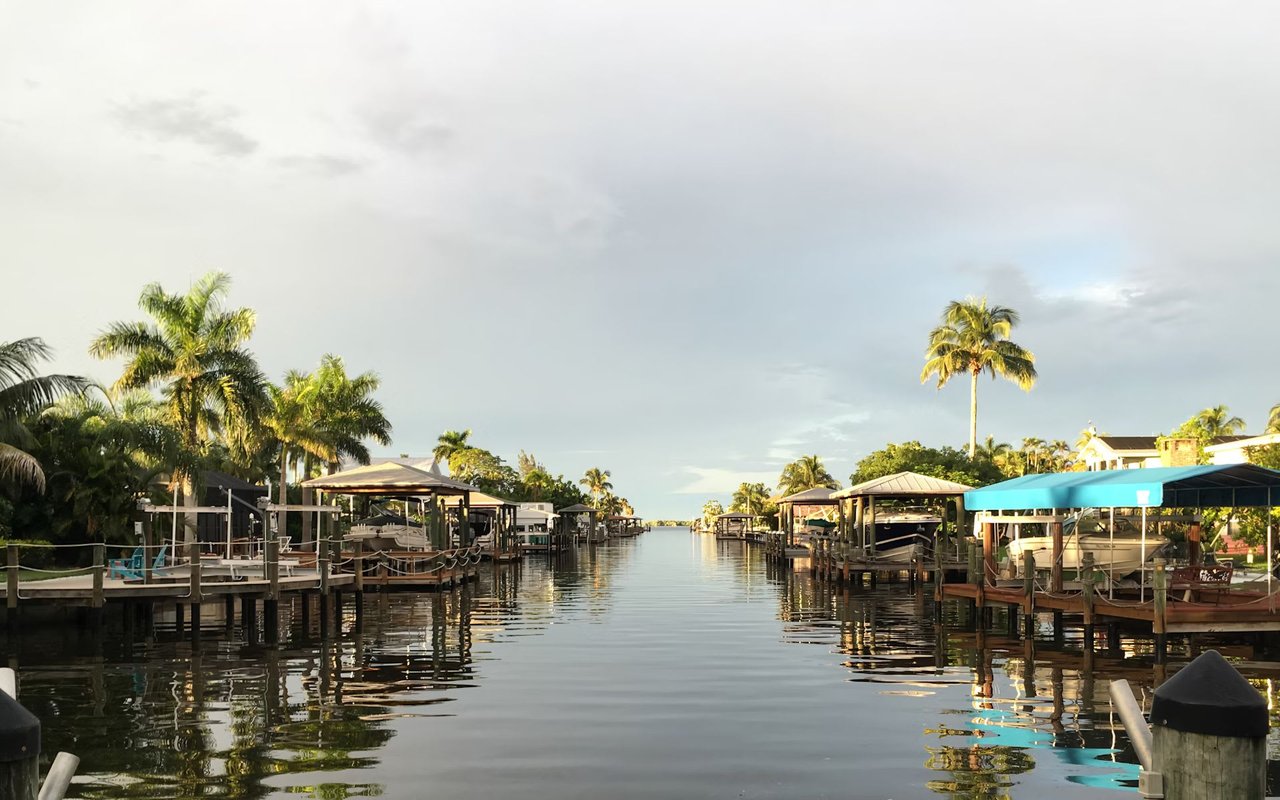
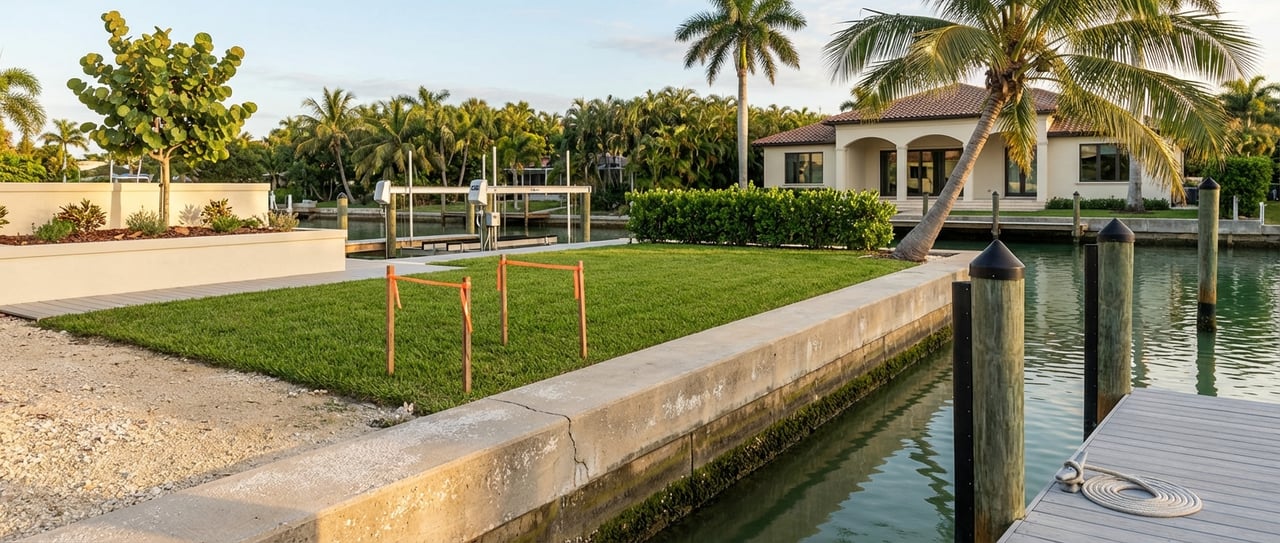
Seawall age and condition, water depth at the dock, and access to the Gulf can materially affect value and long-term costs. Permitting for seawall work or dredging may involve county and state coordination, and private docks can have additional requirements. Start with the Collier County Building & Permitting Department and engage a local marine contractor for feasibility and lifecycle costs.
Carrying costs and risk management
Insurance essentials in Collier County
Hurricane and flood exposure are core considerations. Wind mitigation features, elevation, and historical claims all influence premiums, whether you choose new or resale. For policy frameworks and consumer guidance, use the Florida Office of Insurance Regulation and review resources from Citizens Property Insurance. Replacement-cost coverage for luxury finishes can be a significant component of premiums.
Taxes, HOA and clubs
New construction may be reassessed at higher values at completion, while resales have established assessment histories. HOA dues vary widely, and private club communities can include initiation fees and recurring membership costs. Confirm community covenants, budgets, and reserve studies during due diligence.
Resale value drivers in Naples luxury
- Location scarcity: prime Gulf-front, deep-water dockage, and in-town walkability often lead the market.
- Lot attributes: view orientation, navigable depth, privacy, and lot size drive pricing power.
- Structure quality and systems: impact-rated openings, modern layouts, smart-home tech, and energy efficiency are marketable.
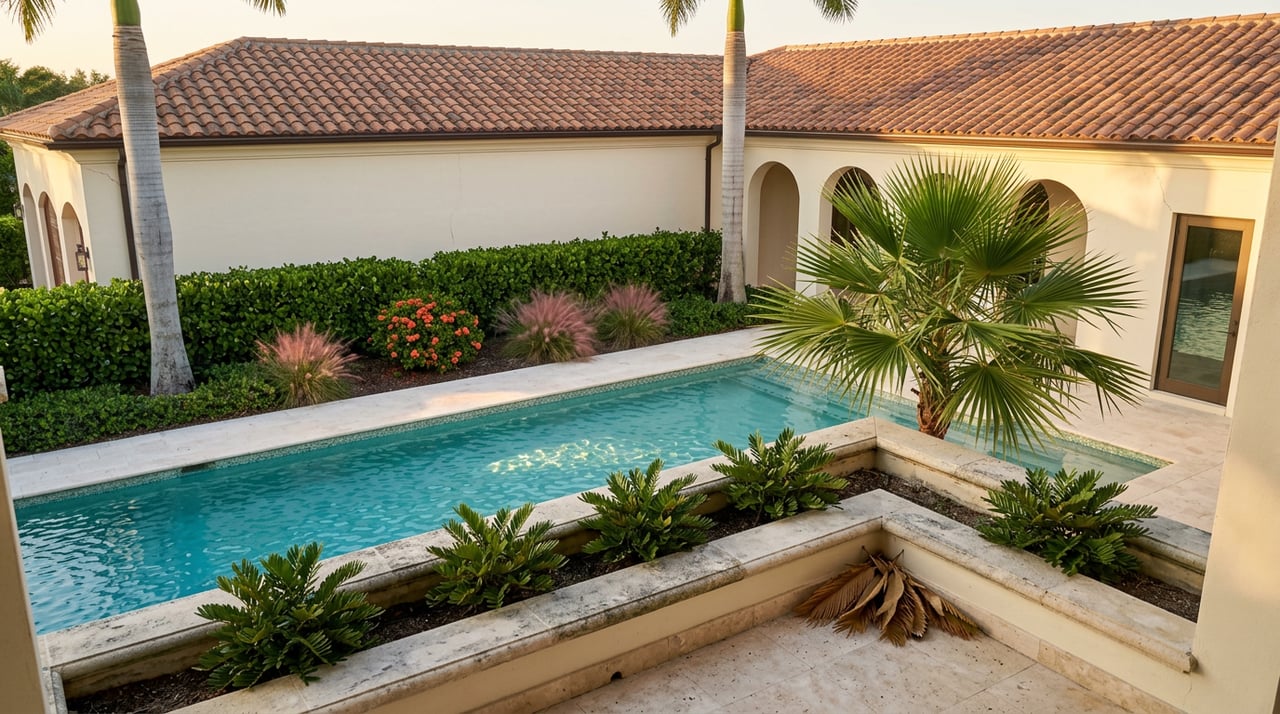
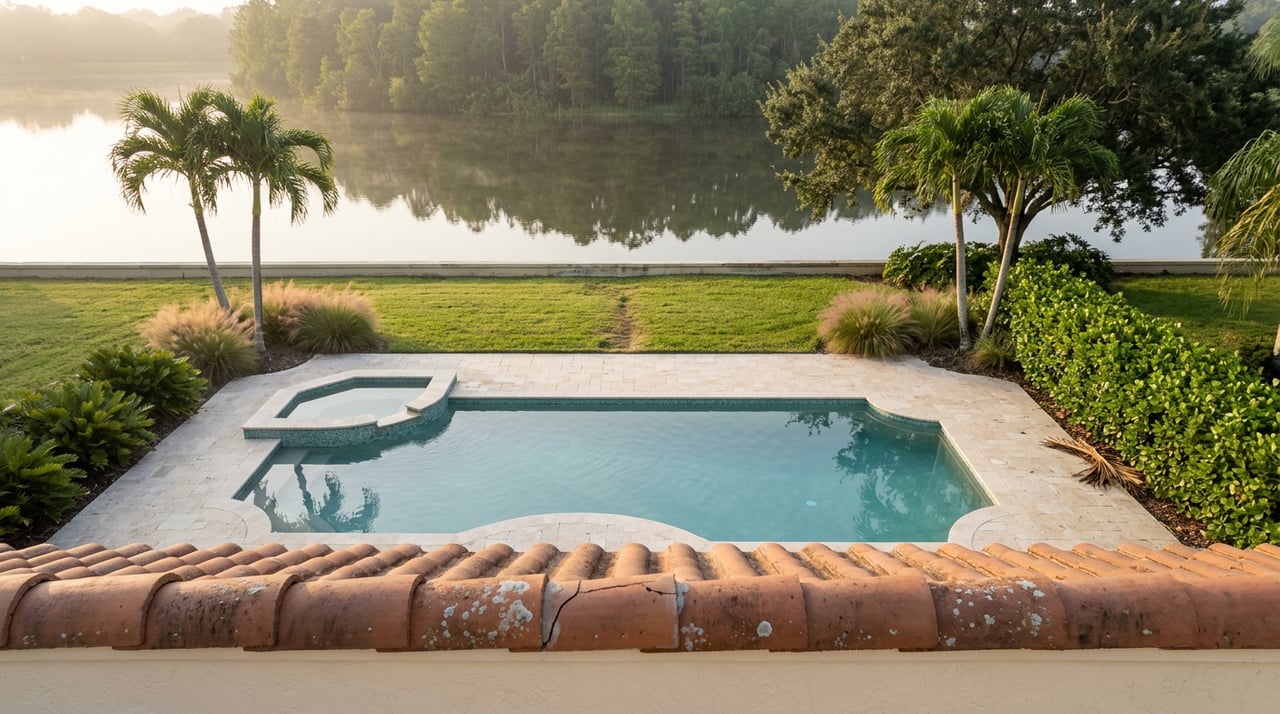
- Lifestyle features: docks, pools, outdoor kitchens, and elevated resiliency can shorten time to sell.
- Community amenities: private club access, security, and neighborhood prestige matter to many buyers.
A practical decision framework
Start with location. If you are targeting a scarce address like Old Naples Gulf-front or deep-water Port Royal, resale or redevelopment may be the most viable route.
Clarify your time horizon. If you plan to own long term and value personalization, new construction can be worth the wait. If you want certainty and near-term enjoyment, resale often wins.
Define your risk tolerance. If you prefer predictable timelines and costs, choose a proven resale. If you are comfortable managing change orders and permitting timelines, a custom build can deliver exactly what you want.
Model carrying costs. Factor insurance, HOA or club dues, utilities, landscaping, and potential system replacements into a five-year view.
Keep resale in mind. Avoid over-customizing beyond what your micro-market supports, and prioritize features with broad appeal.
Due diligence checklist
- Compare recent sold comps in the exact micro-neighborhood, not just the broader market.
- Pull parcel records and tax history via the Collier County Property Appraiser.
- Verify flood zone and obtain an elevation certificate using the FEMA Flood Map Service Center.
- For Gulf-front or coastal sites, confirm CCCL and coastal permitting with the Florida DEP.
- Review permit history and current requirements with Collier County Building & Permitting.
- For waterfront, order a seawall inspection and confirm dock permits and water depth; consult a local marine contractor if dredging could be needed.
- For new builds, vet the builder’s license, completed projects, references, warranty terms, and detailed allowances; align a realistic timeline and contingency.
- For resales, secure a comprehensive inspection and review service records for roofs, HVAC, and other key systems.
Work with a local concierge advisor
Choosing between a luxury new build and a resale in Naples is not just a financial decision. It is a lifestyle, permitting, and risk management decision that plays out street by street, dock by dock, club by club. As a boutique team backed by Premier Sotheby’s International Realty, the Rigsby Team pairs white-glove representation with deep local relationships, from private club pros to marine contractors and luxury appraisers. If you are weighing new construction vs. resale in Collier County, let us curate your path with clarity and discretion. Connect with the Rigsby Team to Request a Private Consultation.
FAQs
How long does a custom luxury build take in Naples?
- Many custom luxury homes take about 12 to 24 months from planning through completion, depending on design complexity, permitting, and selections.
How do flood zones affect buying in Naples?
- Flood zones influence required elevations and flood insurance costs; review specifics using the FEMA Flood Map Service Center and obtain an elevation certificate.
What should I evaluate with seawalls and docks in Collier County?
- Verify seawall age and condition, dock permits, and navigable depth, and confirm any seawall or dredging work with Collier County Building & Permitting.
Do new homes usually have lower wind insurance costs?
- Newer homes often include wind-mitigation features required by current code, which can help with premiums; confirm specifics with your carrier and review guidance from the Florida Office of Insurance Regulation.
How are warranties different for new homes vs resales?
- Reputable builders provide limited workmanship and longer structural coverage; resale homes rely on inspections and seller disclosures, and warranties vary by builder and contract terms, as outlined by the National Association of Home Builders.