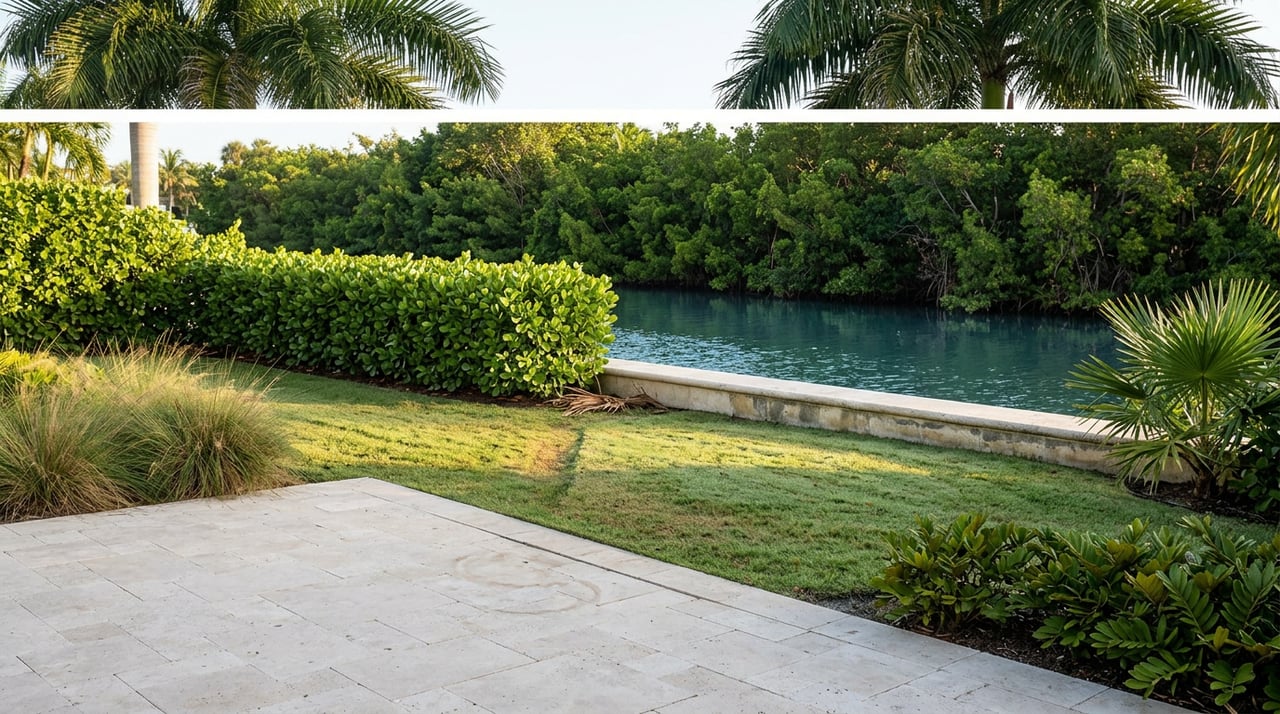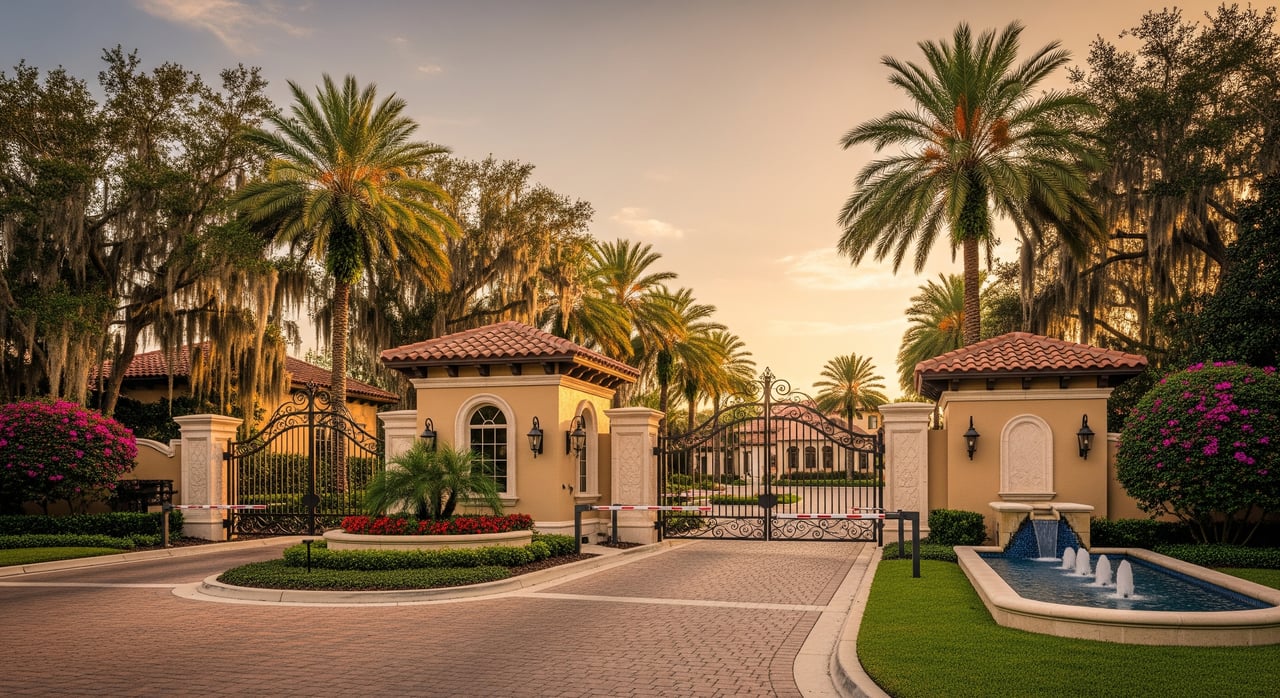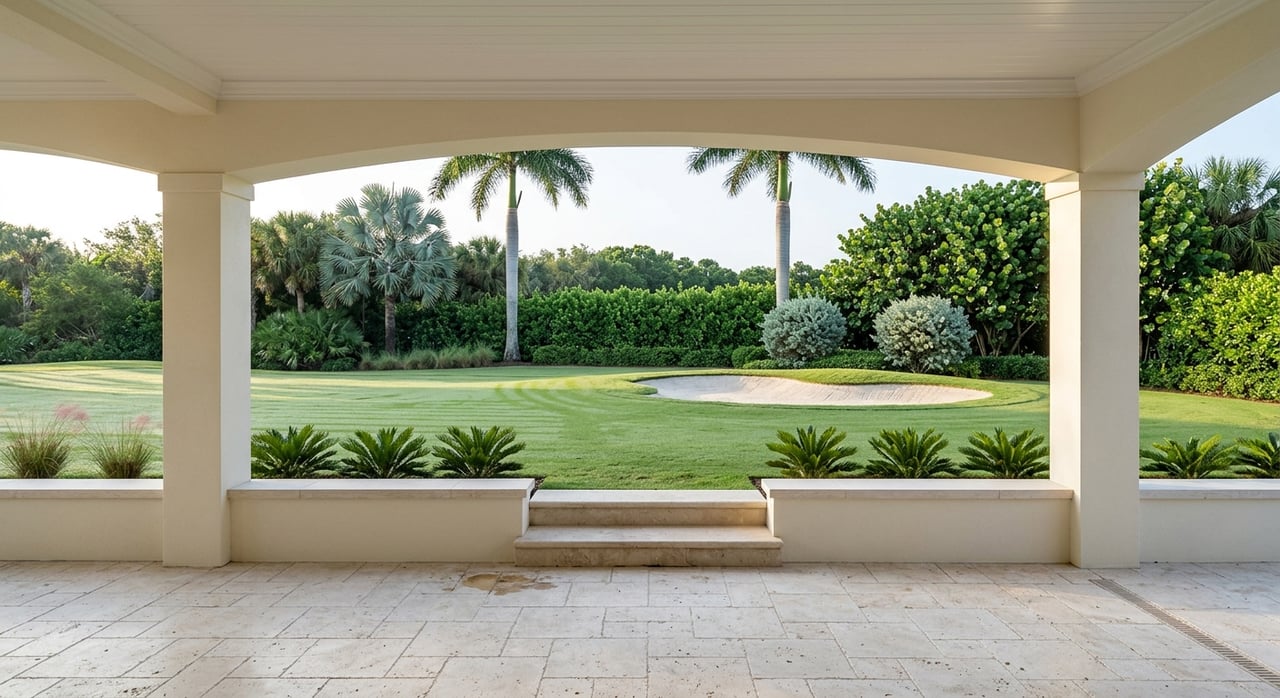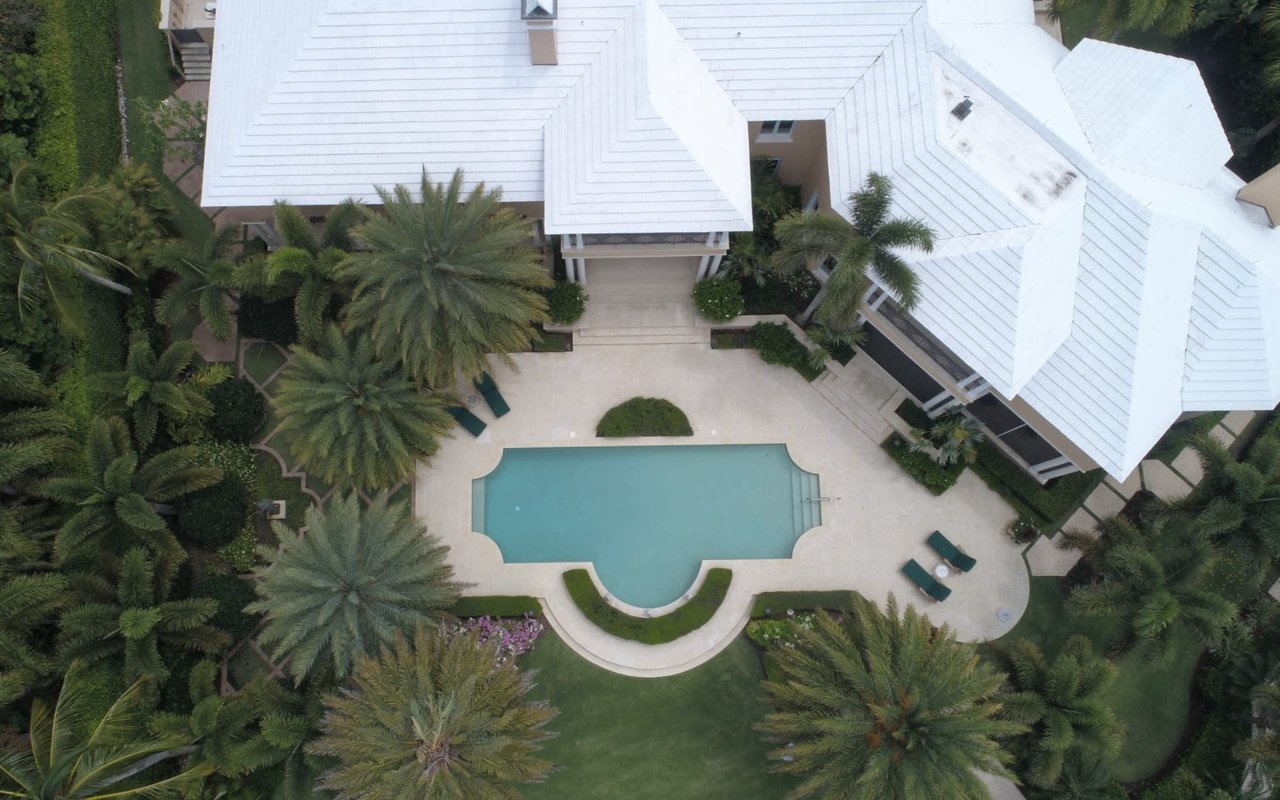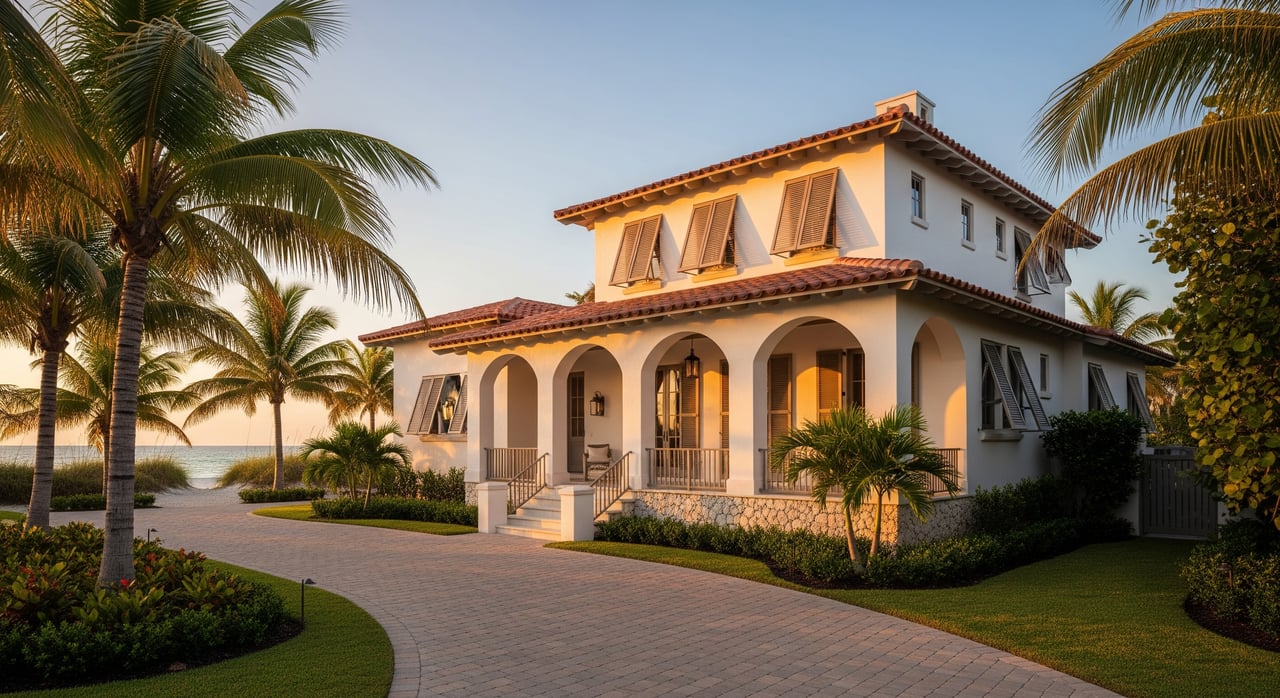
Heard someone say a home is “west of 41” and wondered why that matters? If you are eyeing Old Naples, this local shorthand can shape everything from your daily routine to what you pay. You want beach time, easy dining, and the right tradeoffs for your lifestyle. This guide breaks down what “west of 41” means, how it feels to live there, and how to evaluate properties with confidence. Let’s dive in.
What “west of 41” means in Old Naples
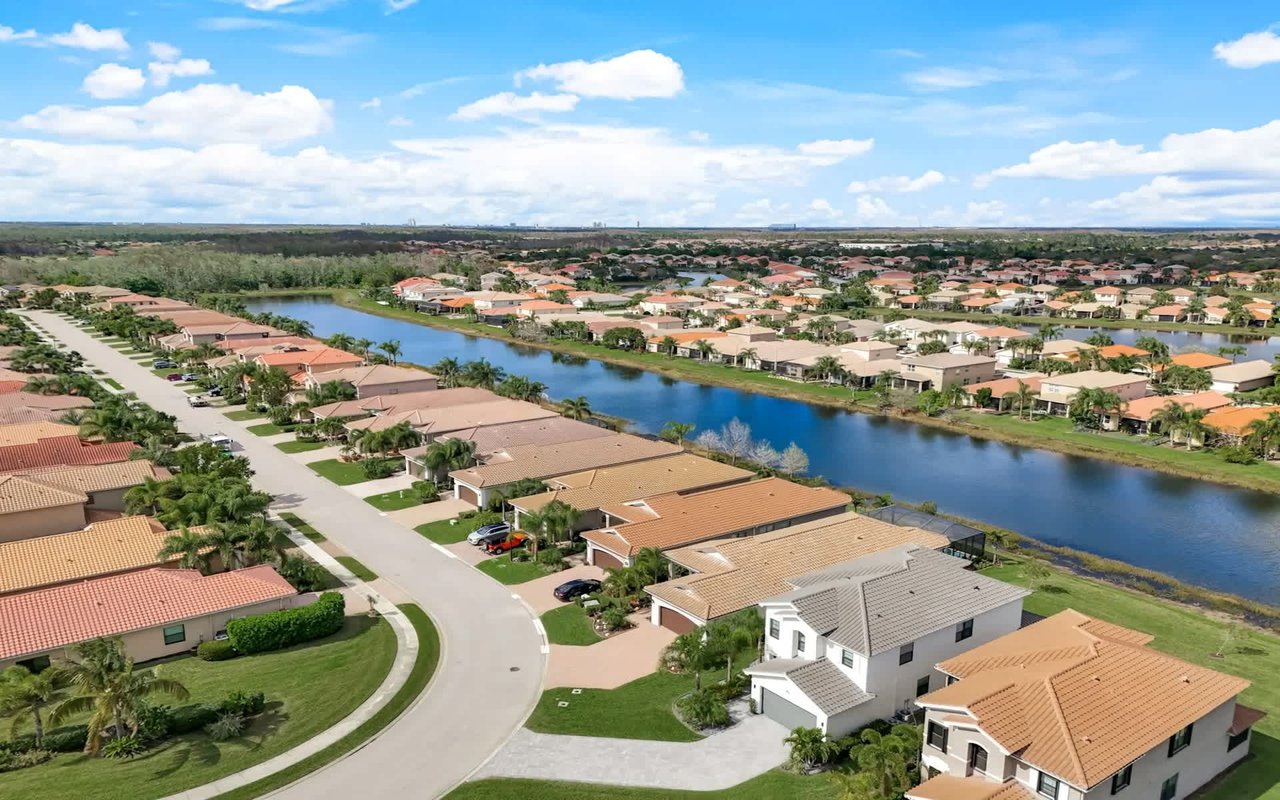
US‑41, also called Tamiami Trail, is the main north–south roadway that sits inland of the core coastal neighborhoods. When locals say a home is west of 41, they mean it sits between US‑41 and the Gulf of Mexico. In Old Naples, that puts you closer to public beaches, the Naples Pier, and the dining and retail on Third Street South and Fifth Avenue South.
Old Naples is the historic core beside the Gulf. The area includes the walkable hubs around Third Street South and Fifth Avenue South, the Naples Pier at the end of 12th Avenue South and Gulf Shore Boulevard, Cambier Park, and parts of the Naples Bay waterfront. Saying a home is west of 41 signals a prized micro‑location with higher walkability and a different mix of housing than more suburban areas east of the highway.
Lifestyle: beach, dining, and walkability
Living west of 41 typically means shorter trips to the beach, the Pier, and downtown restaurants and galleries. Many residents choose these blocks for daily beach walks, sunset at the Pier, and the easy rhythm of meeting friends near Third Street or Fifth Avenue.
Old Naples is among the most walkable parts of the city. From interior residential blocks, walk times to the beach or the main dining corridors are often 5 to 20 minutes, depending on your exact street. If you are east of US‑41, you usually drive for dining and errands.
Public transit in Naples is limited compared to larger cities, so most people drive, bike, scooter, or walk. During winter season, demand for parking and restaurant seating rises, which can affect your daily routine. Having on‑site parking and choosing a block with reliable walkability can make a noticeable difference.
Why west of 41 commands a premium
Proximity to the Gulf and a short walk to Third Street and Fifth Avenue generally carry a price premium. The drivers are clear: lifestyle access, limited inventory close to the water, and a scarcity of buildable lots in Old Naples.
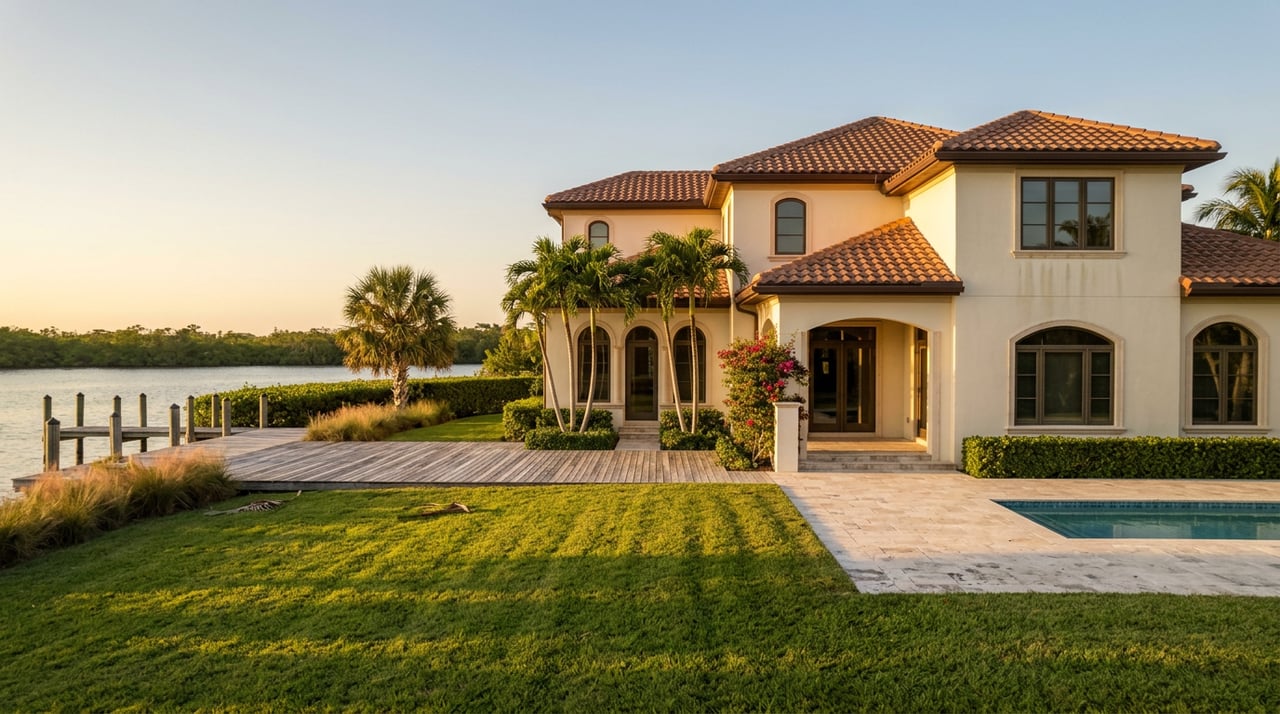
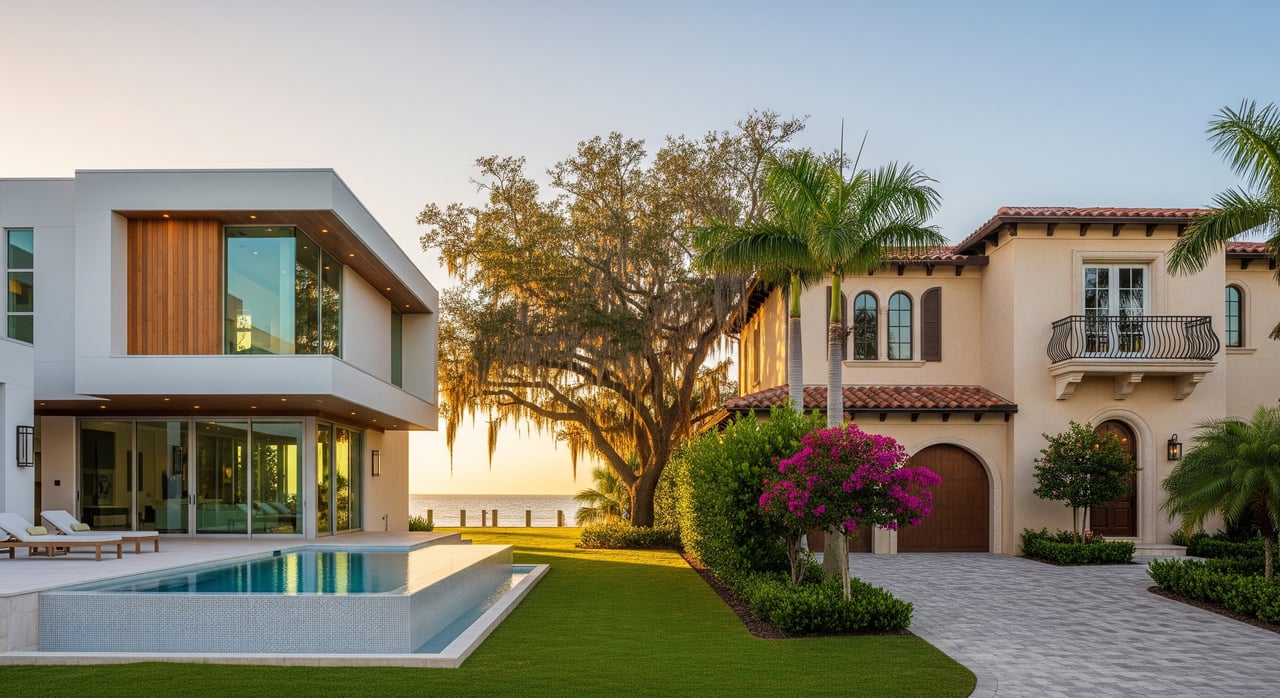
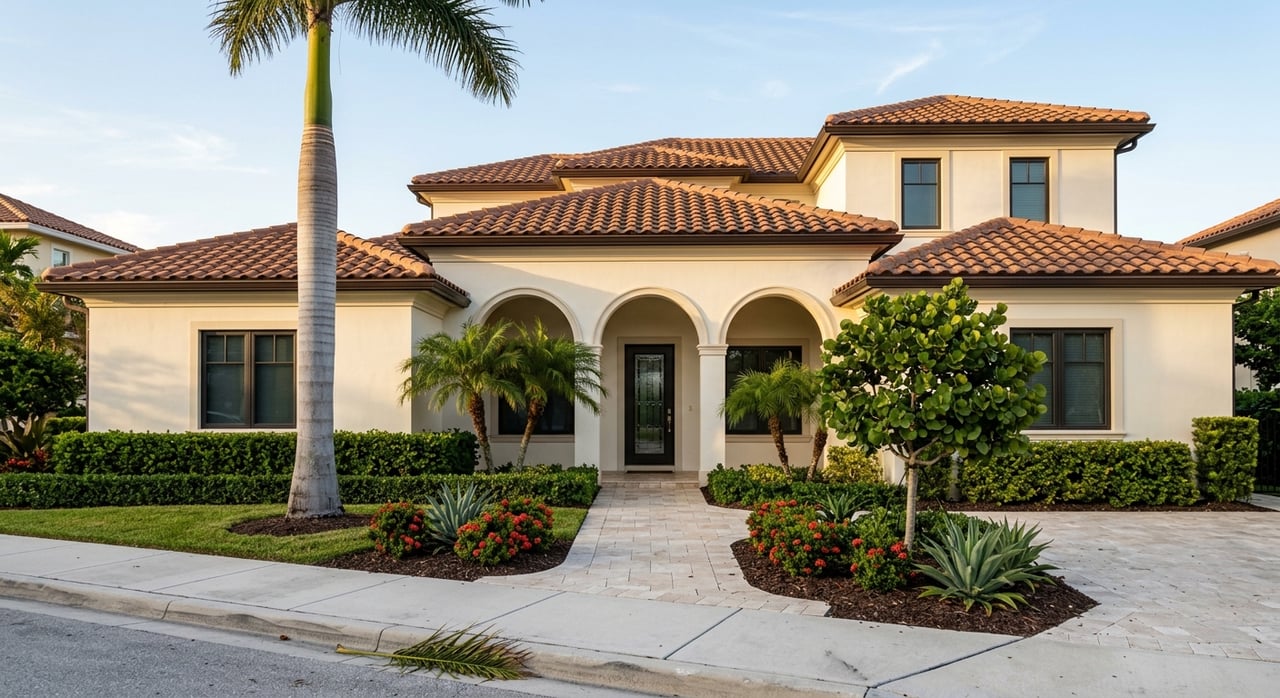
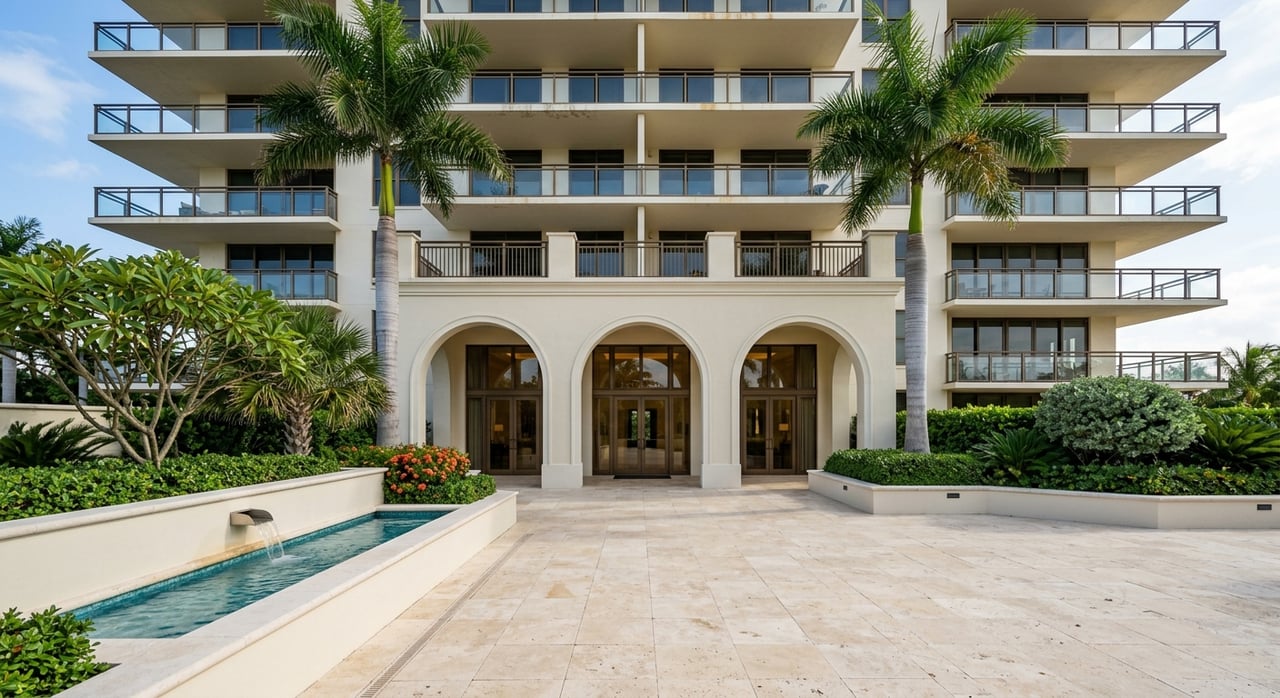
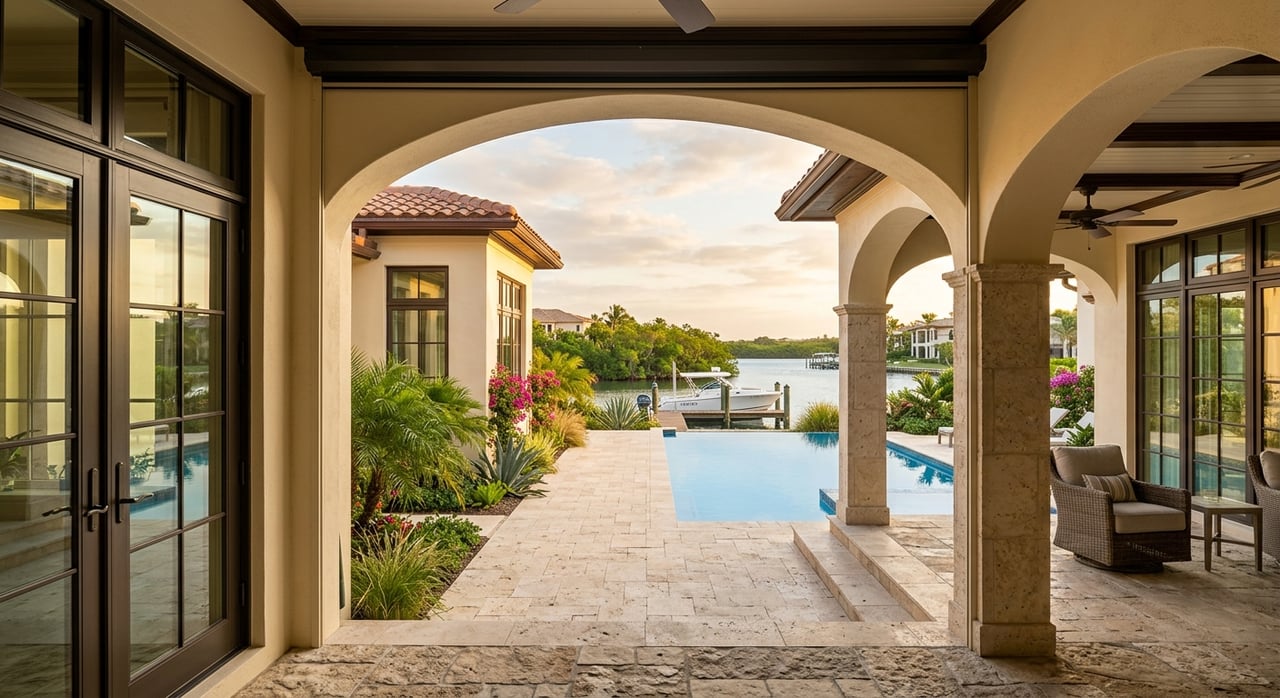
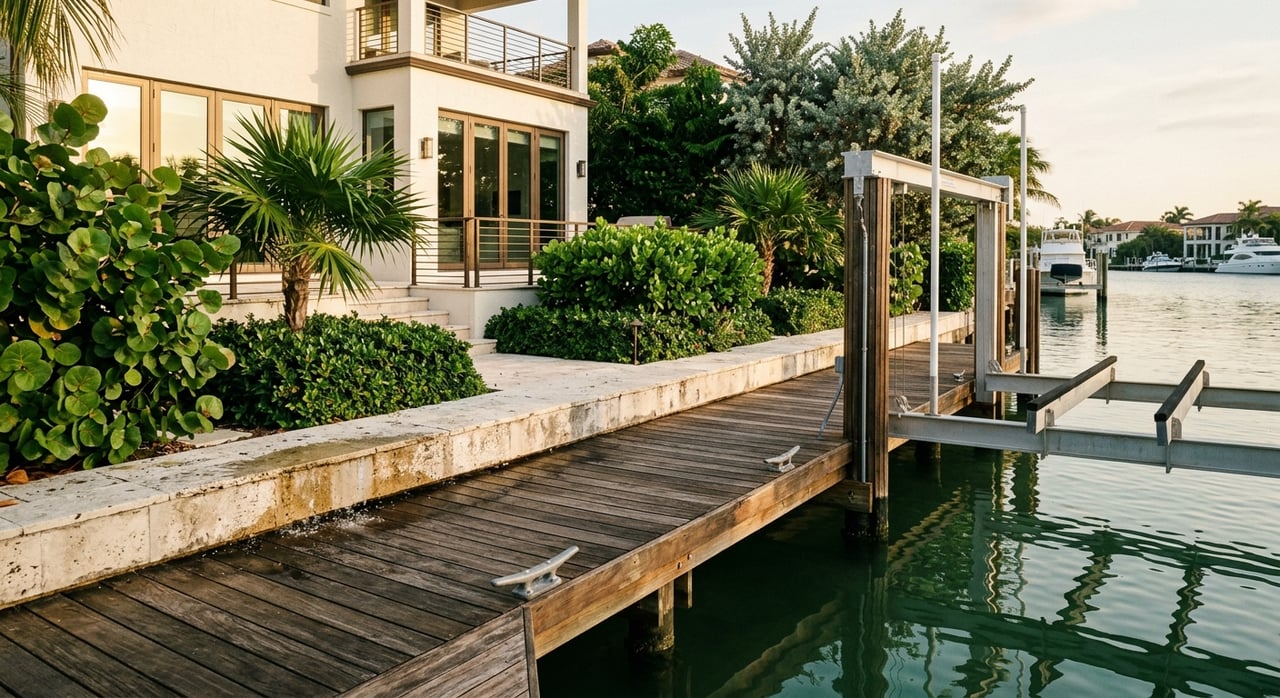
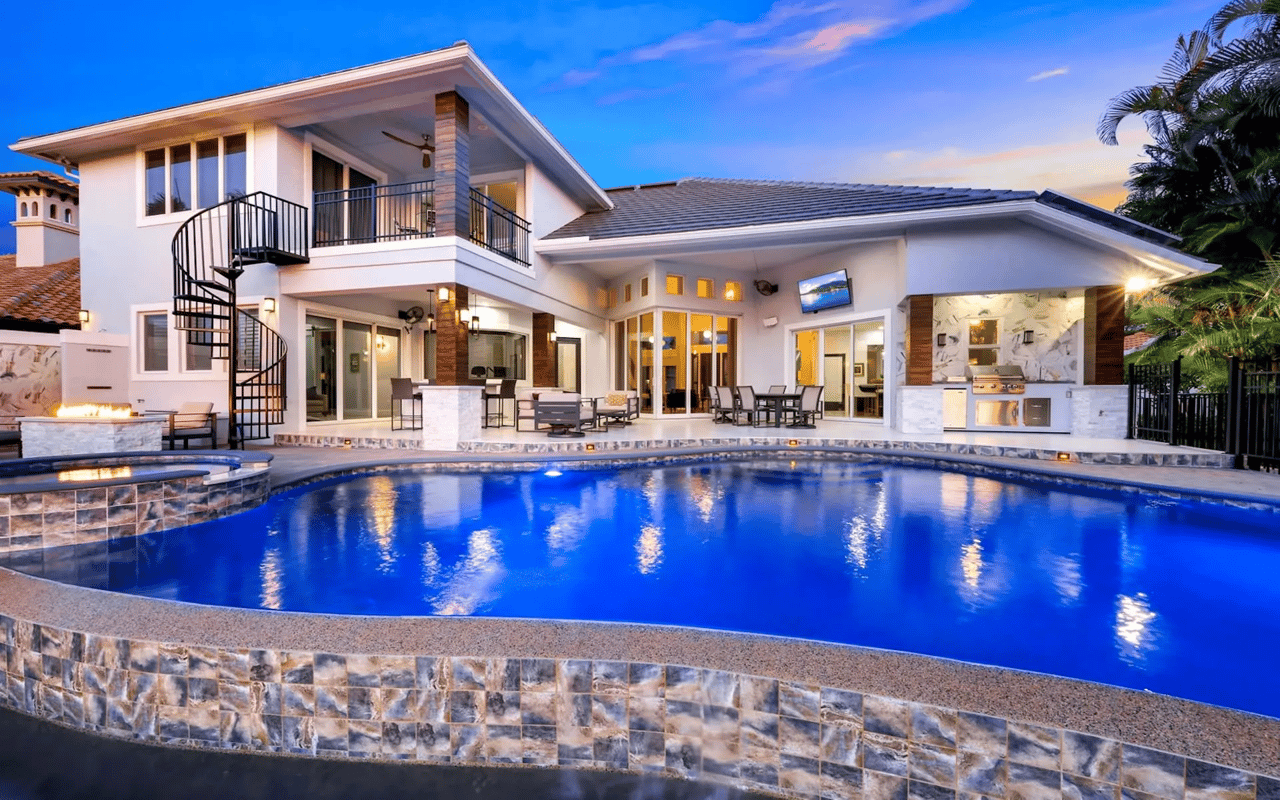
You will see a range of homes west of 41. Options include historic cottages, low‑rise condos, townhomes, renovated single‑family homes, and high‑end new construction. Homes with Gulf views, direct beach access, or very short walk times to the downtown corridors often see the strongest pricing.
Value can change fast block by block. Two homes a street apart may have different price per square foot if one is closer to the beach or has a better line to Third Street or Fifth Avenue. Micro‑location is a key part of your valuation lens.
Practical tradeoffs to consider
West of 41 living comes with tradeoffs you should weigh early.
- Flood risk and elevation. Properties closer to the coast may sit in higher‑risk FEMA flood zones. Elevation, flood insurance costs, and enhanced building standards can affect acquisition and long‑term ownership.
- Parking and lot size. Lots are often smaller west of 41, and on‑site parking can be limited. You may trade yard space and garages for walkability. During peak season, on‑street parking demand can increase.
- Historic character and design standards. Parts of Old Naples have historic character or community standards that guide renovation or new building. This can influence project scope and timelines.
- Zoning and rentals. Short‑term rental rules vary by building, HOA, and municipality. If you plan to rent, confirm restrictions and occupancy rules before you bid.
How to evaluate a west of 41 address
A smart process helps you compare options and avoid surprises.
Pre‑visit preparation
- Map the home relative to Third Street South, Fifth Avenue South, the Naples Pier, and nearby public beach access points.
- Note on‑site parking capacity and nearby public parking.
- Request a Flood Elevation Certificate or elevation data and recent insurance premium estimates.
- Ask for records on roof, HVAC, and hurricane protection.
- Confirm HOA rules, assessments, and any short‑term rental restrictions.
On‑site touring priorities
- Walk the route. Time your walk from the property to Third Street, Fifth Avenue, and the Pier at your normal pace. If you can, test the route during daytime and evening.
- Check parking and guest logistics. Verify driveway and garage size, on‑street parking rules, and whether beach visitors use nearby streets during season.
- Listen for activity. Note restaurant and nightlife rhythms on weekend evenings and how far that energy carries into adjacent blocks.
- Scan for drainage and flood mitigation. Look for signs of past flooding, raised patios or finished floors, and any neighborhood drainage work.
- Confirm sun and breeze. Assess afternoon sun on outdoor areas and the effect of prevailing breezes on comfort.
Due diligence to request
- Recent survey and legal description
- FEMA flood zone map for the lot and an elevation certificate
- Permit history for renovations
- Recent utility and insurance bills
- HOA or condo documents if applicable
- Rental history if the property has been used as a short‑term rental
Old Naples micro‑location in practice
Small shifts in location can reshape your day. A home within a few blocks of Third Street or Fifth Avenue can keep most outings within a short walk. Move several blocks farther from those corridors and you may rely more on a car or bike, especially during summer heat.
Walk times of 5 to 10 minutes are comfortable for many buyers who want frequent dining and shopping without driving. At 15 to 20 minutes, you still have walkable access, but you may plan trips and carry less. During high season, the ability to walk to dinner or the beach often outweighs the hassle of finding parking.
If you love quiet evenings, study the proximity to restaurant clusters and the Pier. If you want to be in the mix, a home just off Third or Fifth may suit you. Either way, testing routes and listening during peak hours can clarify the best fit for your lifestyle.
Who west of 41 fits best
Choose west of 41 if you want daily beach access, easy dining, and a compact, walkable routine. It is well suited to buyers who value time over yard size and who like the idea of leaving the car at home for evenings out.
If you prefer larger lots, multi‑car garages, and more suburban layouts, you may find better options east of US‑41. That tradeoff is normal. The key is to match your priorities to the micro‑location that supports them.
Buying strategically with a local guide
Because Old Naples is highly block‑sensitive, a skilled local agent can save you time and help you weigh price against true walkability and ownership costs. You want someone who can compare elevation and insurance considerations, decode HOA rules, and point out parking or seasonal patterns on specific streets.
If you are ready to explore, schedule a private conversation with the Rigsby Team. You will get white‑glove guidance, neighborhood‑level insight, and a calm, concierge process from search to closing.
FAQs
What does “west of 41” mean in Naples real estate?
- It refers to homes located between US‑41, also called Tamiami Trail, and the Gulf of Mexico, which usually means closer beach and downtown access in Old Naples.
Is Old Naples walkable compared to areas east of US‑41?
- Yes. Old Naples offers some of the city’s highest walkability, with many homes 5 to 20 minutes on foot from the beach and the Third Street and Fifth Avenue corridors.
How does flood risk affect properties west of 41?
- Being closer to the coast can place homes in higher‑risk FEMA flood zones, which may influence insurance costs and building standards, so review elevation and policy estimates.
What should out‑of‑state buyers verify before touring west of 41 homes?
- Map walk routes, check parking, request elevation and insurance information, confirm HOA or rental rules, and gather recent permits and system records like roof and HVAC.
Why can two nearby Old Naples homes be priced so differently?
- Micro‑location matters. A difference of one or two blocks can change walk times, views, and beach access, which can shift price per square foot and overall demand.
How does seasonality affect daily life west of 41?
- Winter visitors increase demand for parking and restaurant seating, so having on‑site parking and a comfortable walk to the beach or dining can be a meaningful advantage.