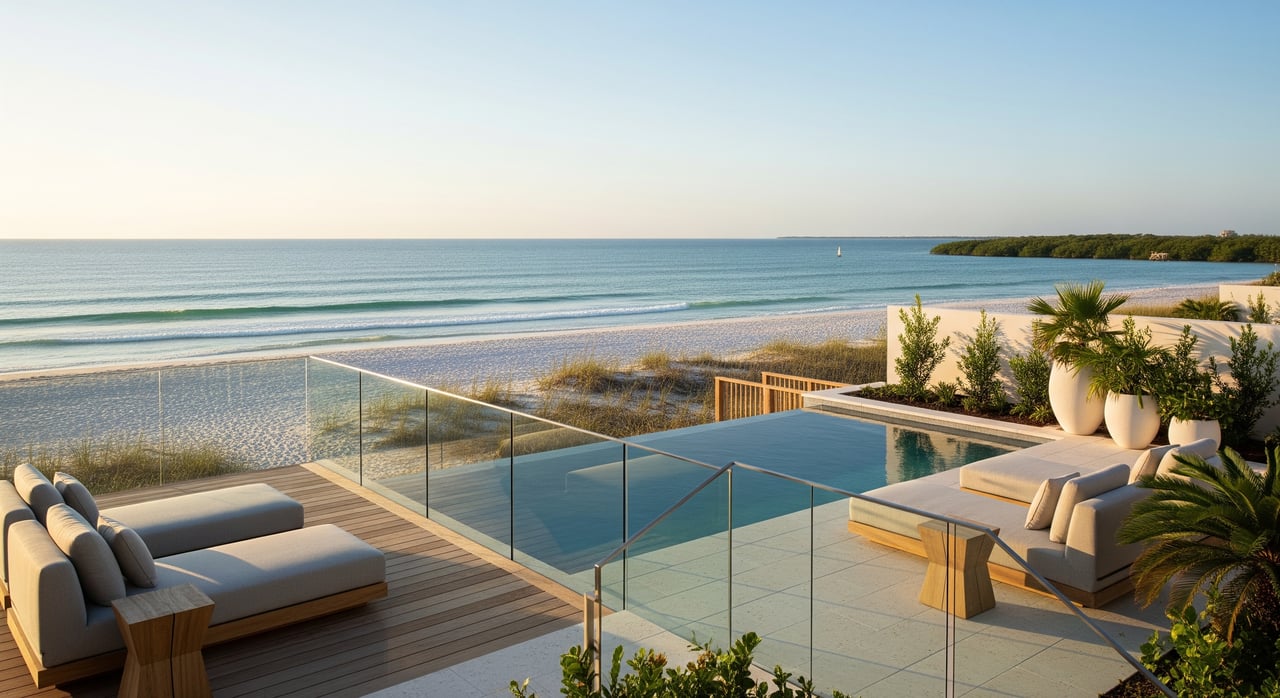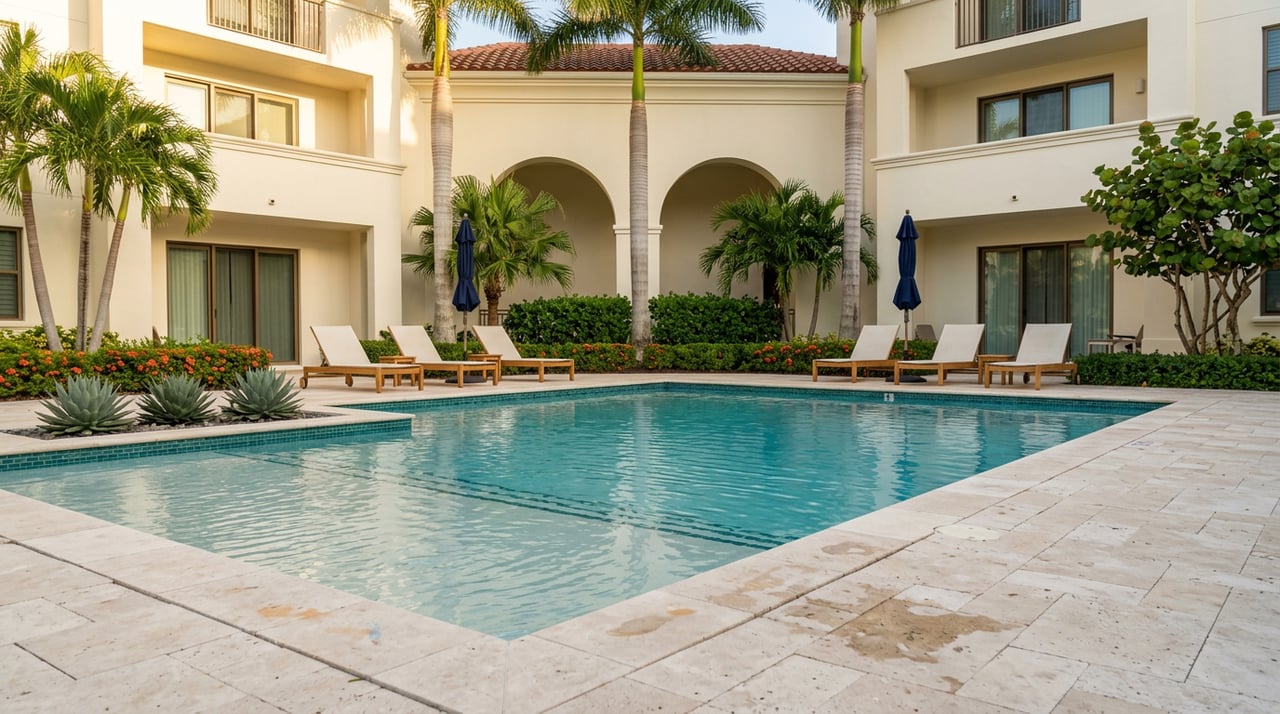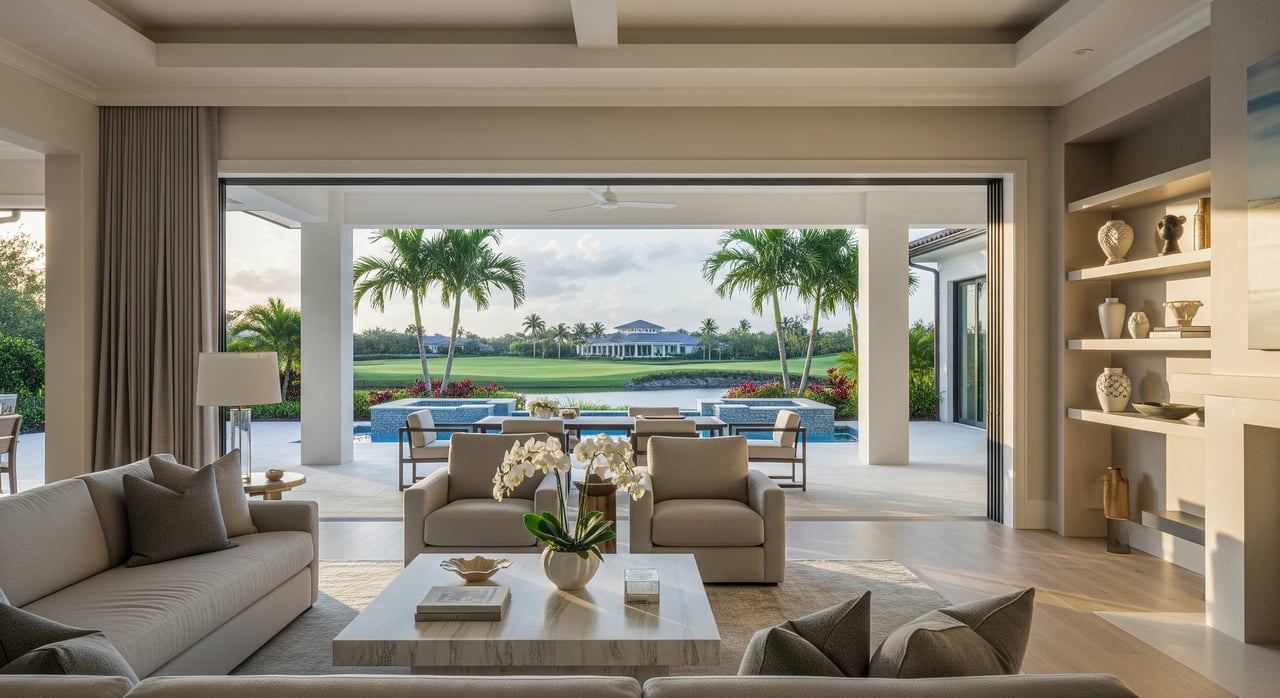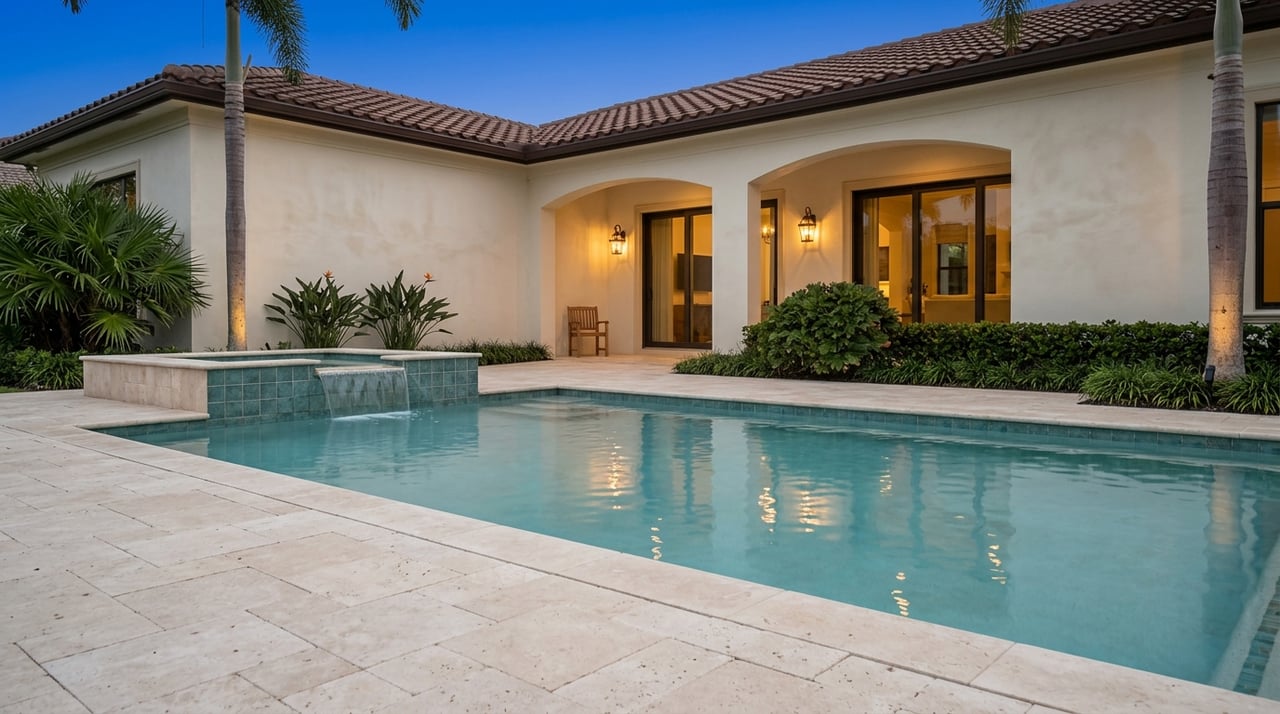
What makes two Vanderbilt Beach homes that look alike sell for very different prices? If you have asked that after scrolling listings or touring towers along Gulf Shore Drive, you are not alone. You want a clear way to read this market, protect your budget, and position your property for maximum value. In this guide, you will learn the exact levers that move price at Vanderbilt Beach and how to use them to buy or sell with confidence. Let’s dive in.
Vanderbilt Beach market at a glance
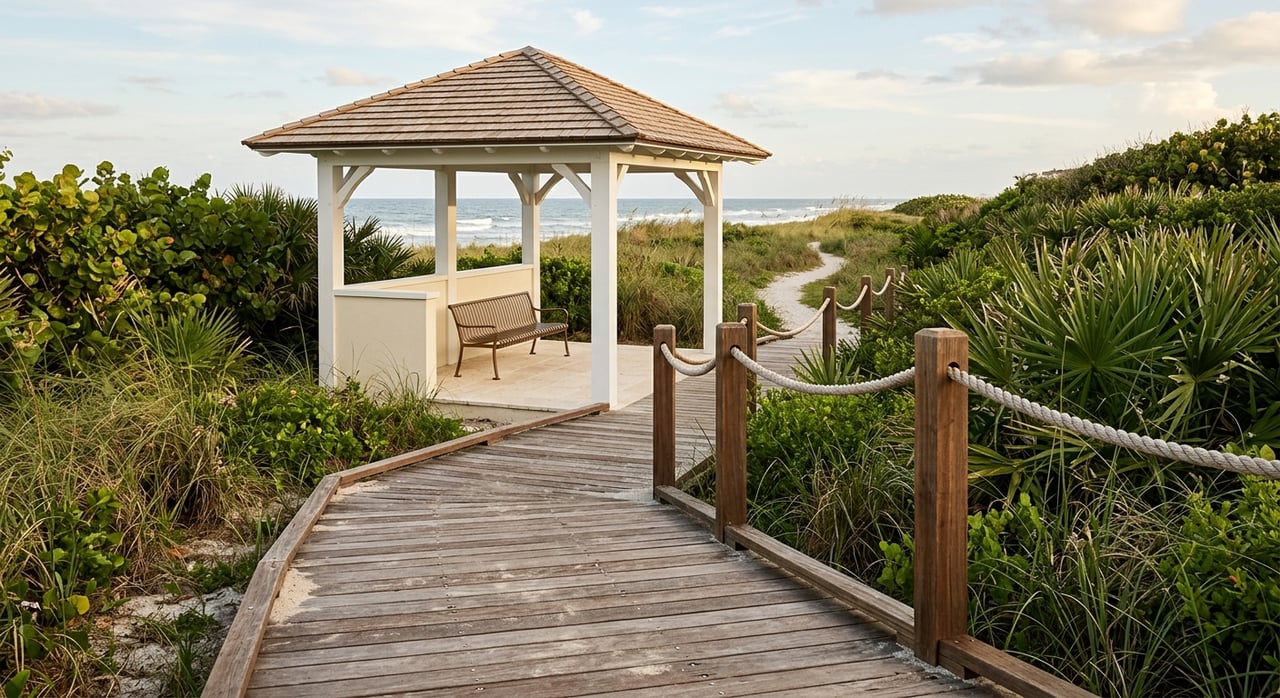
Vanderbilt Beach sits in North Naples, Collier County, beside Delnor‑Wiggins Pass State Park and north of Pelican Bay. The county lists public access at Vanderbilt Beach Park at 100 Vanderbilt Beach Road, which helps define the beach hub for showings and lifestyle claims. You can confirm park details on the county’s page for Vanderbilt Beach Park.
Recent MLS neighborhood data shows a high‑end, supply‑rich market. A January 2026 snapshot of Southwest Florida MLS activity for the Vanderbilt Beach area reported average closed prices near 3.9 million for single‑family homes with roughly 18.6 months of supply. Condominiums in the same area averaged about 1.8 million with about 15 months of supply. You can review the figures in the MLS‑sourced Monthly Market Report (Jan 31, 2026).
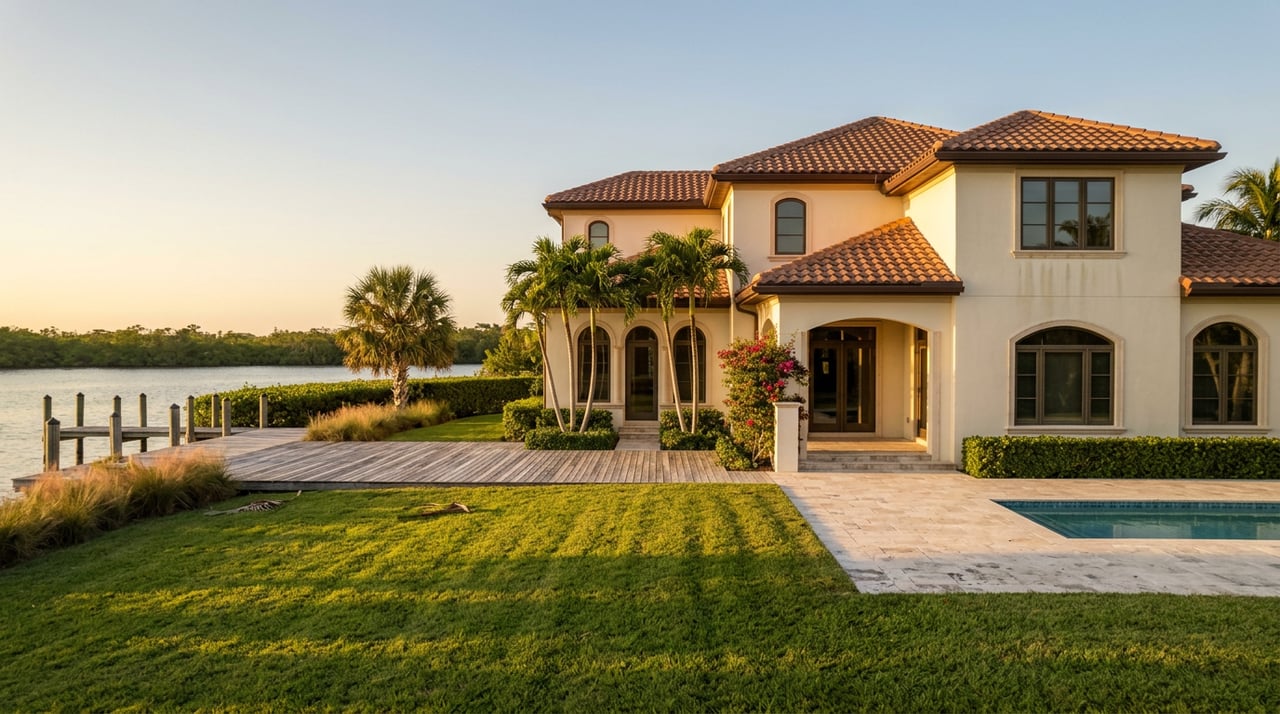
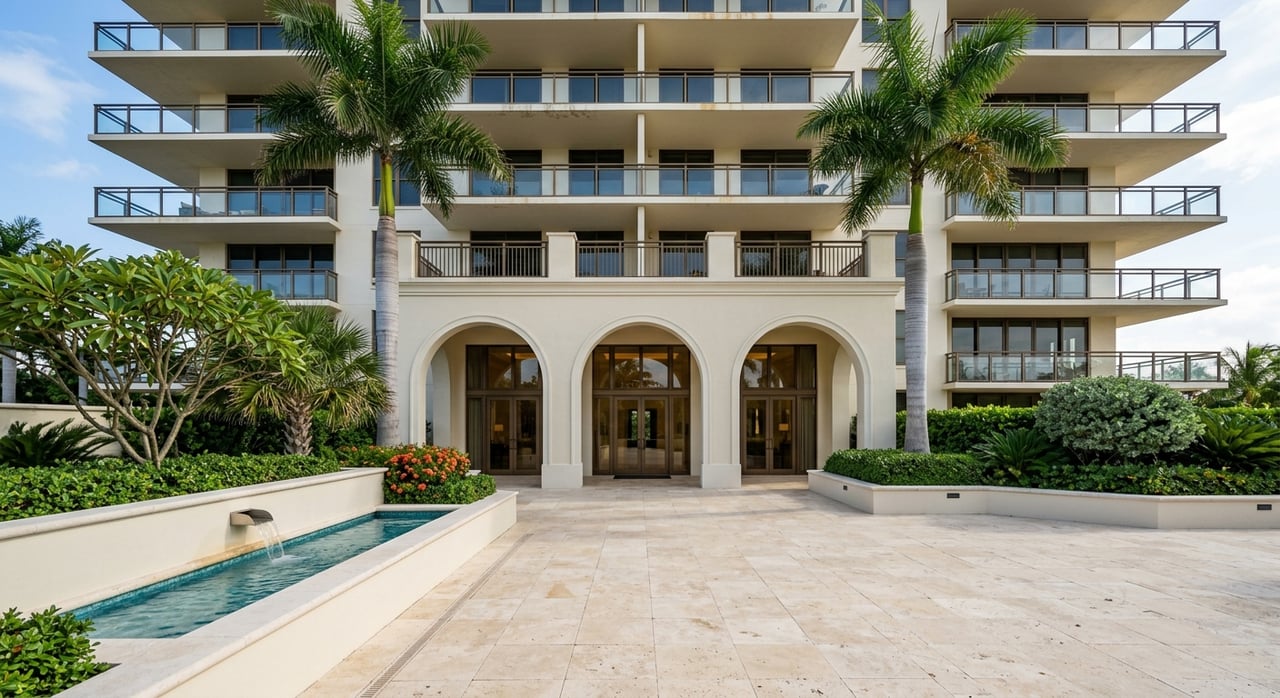
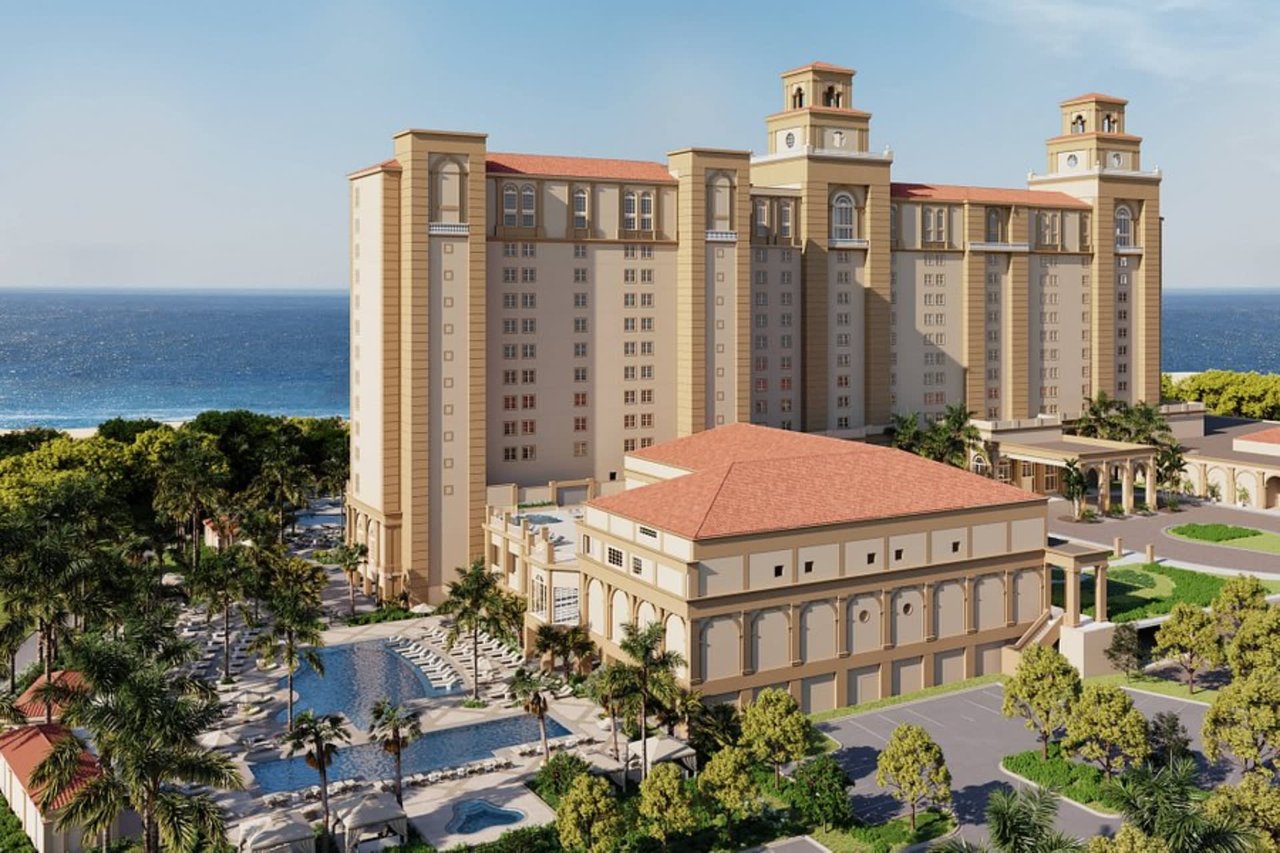
Why such a wide range inside the same neighborhood? Vanderbilt Beach combines gulffront towers, bay and canal condos, and a limited number of single‑family gulf or canal homes. That mix means two properties on the same block can trade at very different numbers. The sections below explain exactly why.
The big value drivers
Shoreline orientation: Gulf, bay, or inland
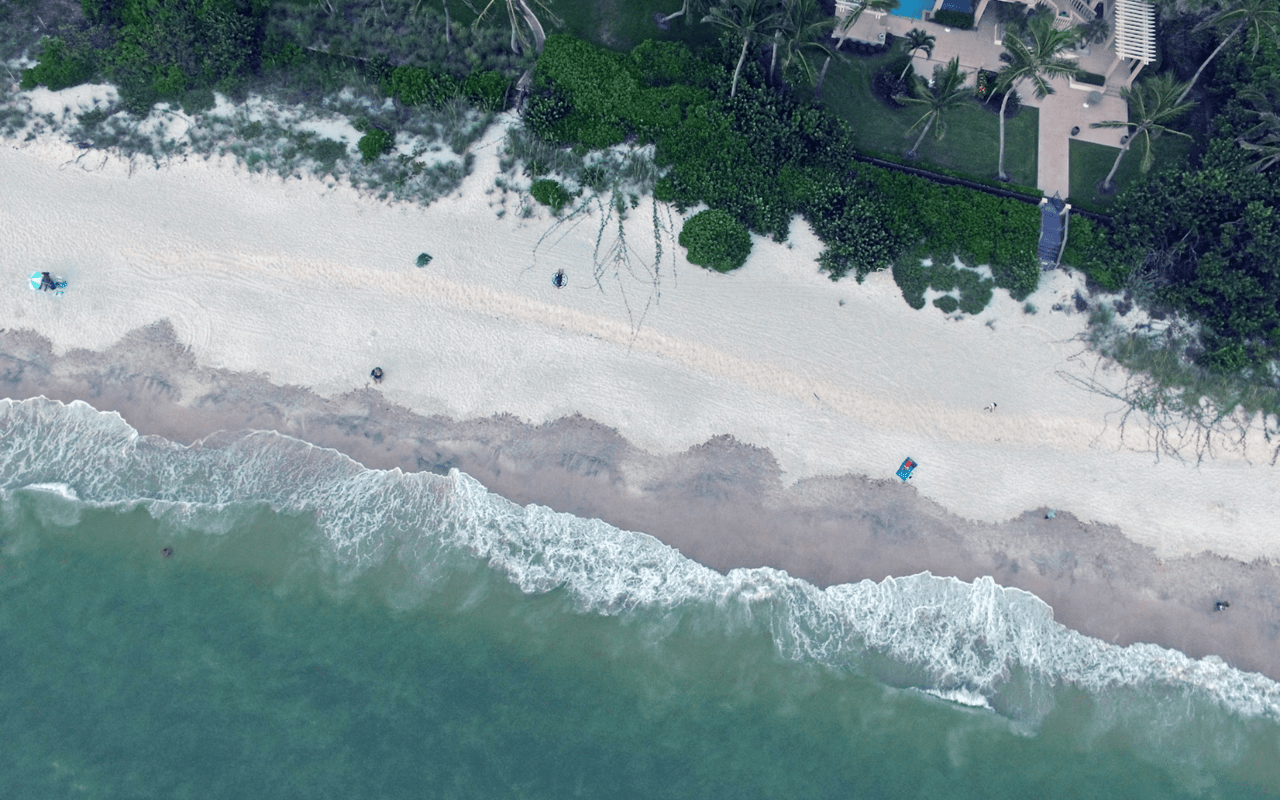
Orientation is the first sort for price. True gulffront units and single‑family lots command a durable premium because of scarcity and direct beach access. Bay and canal homes and condos trade more on usable water access, dockage, and calm water living than on immediate sand. Inland locations without direct water or deeded access tend to trail both.
How much does it matter? Premiums vary by building, floor, and lot. Industry research often finds single‑digit to double‑digit percentage bumps for superior water views, with much larger spreads for direct beachfront in resort submarkets. For a deeper look at how proximity to the shore influences prices in coastal markets, review this summary of an academic study on beach proximity and property values. Always anchor your estimate to very recent Vanderbilt Beach comps.
What to check:
- Is the property true beachfront, across the street, or on a canal or bay?
- Is there deeded beach access or private stairs?
- For canal or bay lots, what is the route to the Gulf and are there fixed bridges?
- Could a new building block the view in the future? See the zoning section below.
View, floor, and setbacks
For condominiums, the vertical stack and floor can be the biggest pricing lever after overall condition. West exposure and a clean horizon sunset view tend to attract the broadest buyer pool. Appraisers and experienced agents adjust comps for view quality and floor, and for whether the view is protected long term.
Why view permanence matters: Coastal overlay rules set limits on building height and density, which can lower the risk of future obstruction. You can review local language in Collier County’s land development code overlay for the Vanderbilt area to understand the context for height and density in coastal zones. See the county’s LDC overlay section.
What to check:
- Floor and line within the stack, plus any known obstructions.
- Setbacks and the potential for nearby redevelopment.
- Recently approved permits that could change your view.
Dockage, Gulf access, and marine features
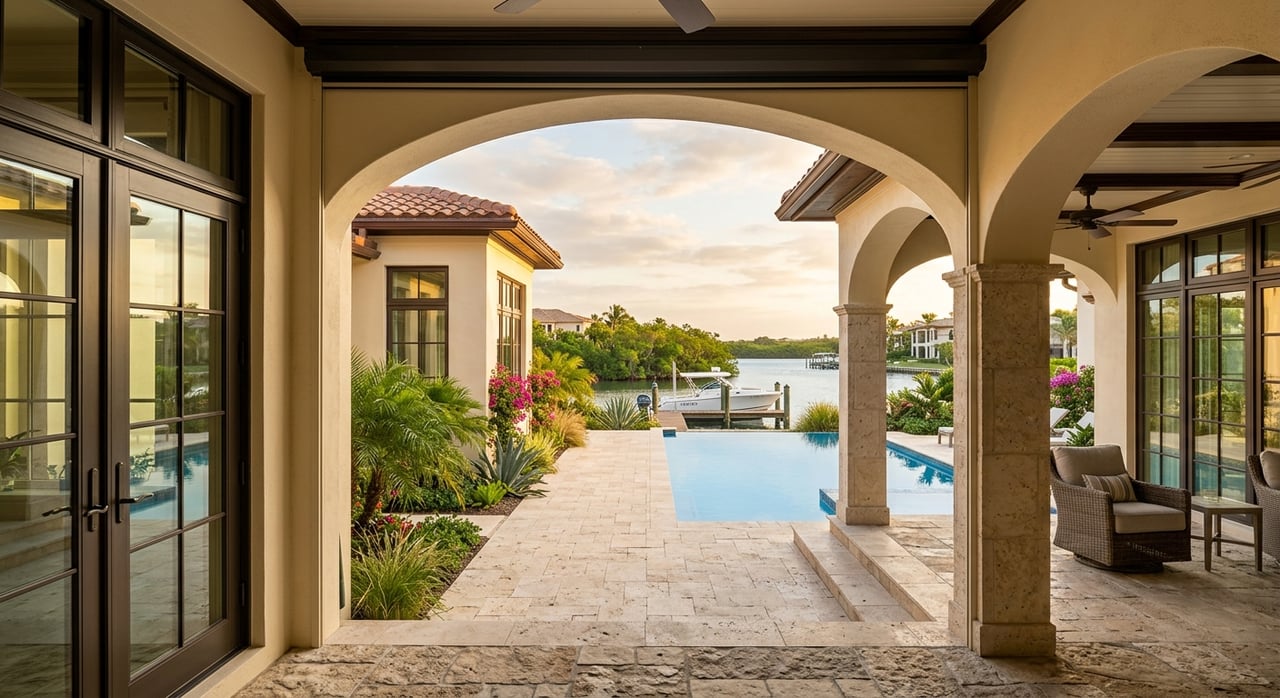
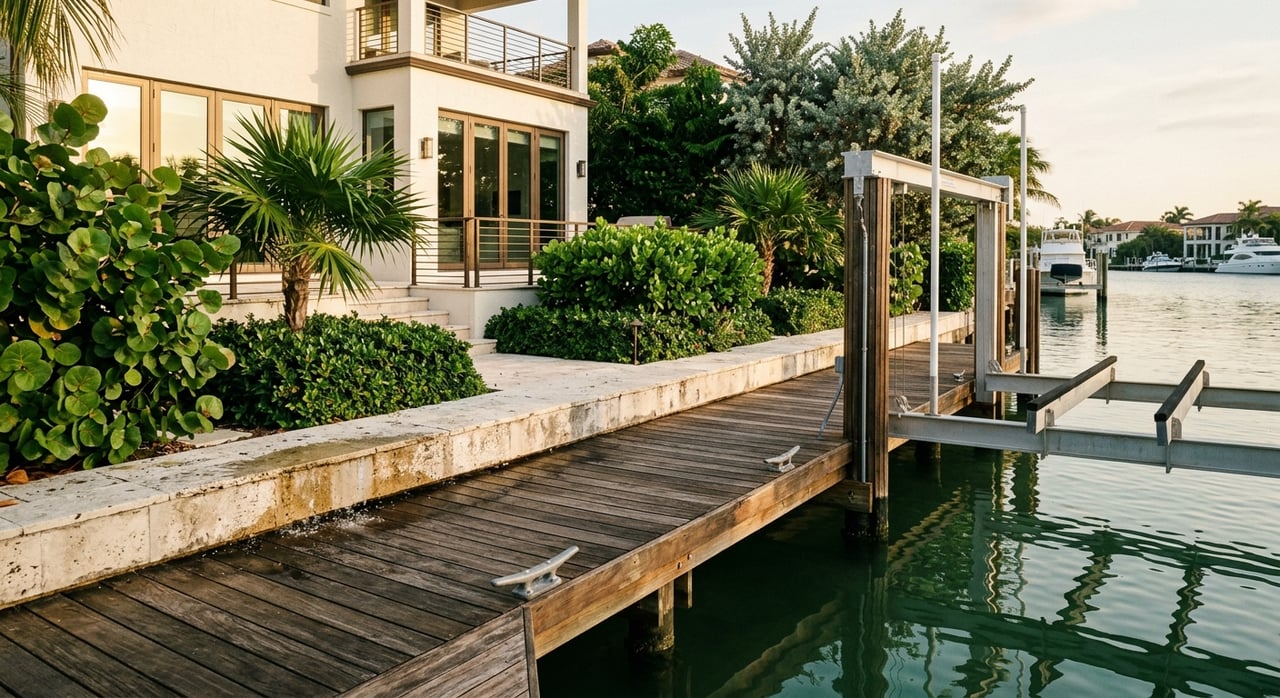
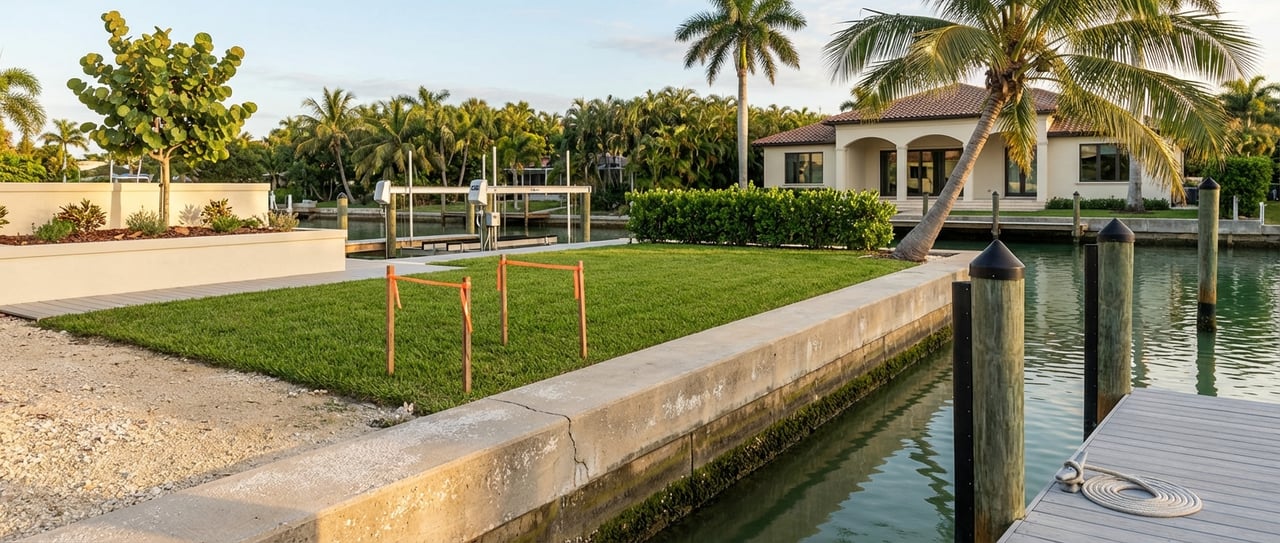
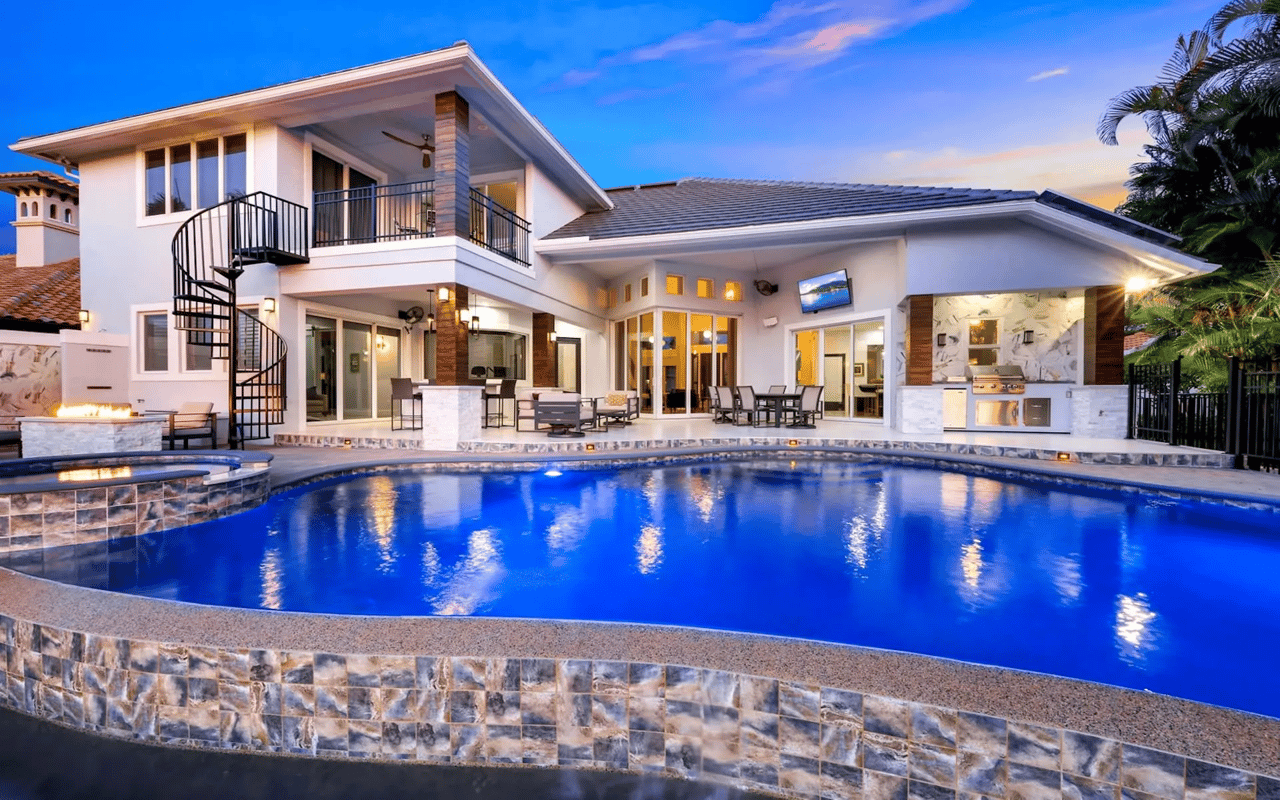
On canal and bay homes, dock quality and Gulf access drive large price gaps. Two similar homes can be tens or hundreds of thousands apart based on seawall health, dock length, lift capacity, and the run time to Wiggins Pass.
What matters most:
- Seawall condition and documented repair history.
- Dock length, lift size, and permits.
- Mean low‑tide depth on your canal segment.
- The route to open water and any bridge restrictions.
Collier County requires a marine‑category permit (PRMAR) for docks, seawalls, and lifts. Permit records help verify capacity and compliance, and they reduce buyer uncertainty. You can review permit categories and requirements on the county’s PRMAR page.
Age, construction, and hurricane resilience
In a hurricane‑exposed area, newer builds and documented structural upgrades can lower insurance costs and improve marketability. Features like impact‑rated windows, improved roof‑to‑wall connections, and secondary water barriers are strong signals to risk‑aware buyers. The Insurance Institute for Business & Home Safety notes measurable loss reductions tied to modern building codes and mitigation. See IBHS context on Florida building codes and resilience on IBHS public policy resources.
What to check:
- Year built and scope of any major remodels.
- Presence of impact openings or shutters.
- Wind‑mitigation inspection reports or third‑party certificates.
- Recent insurance premium statements.
Amenities, services, and HOA rules
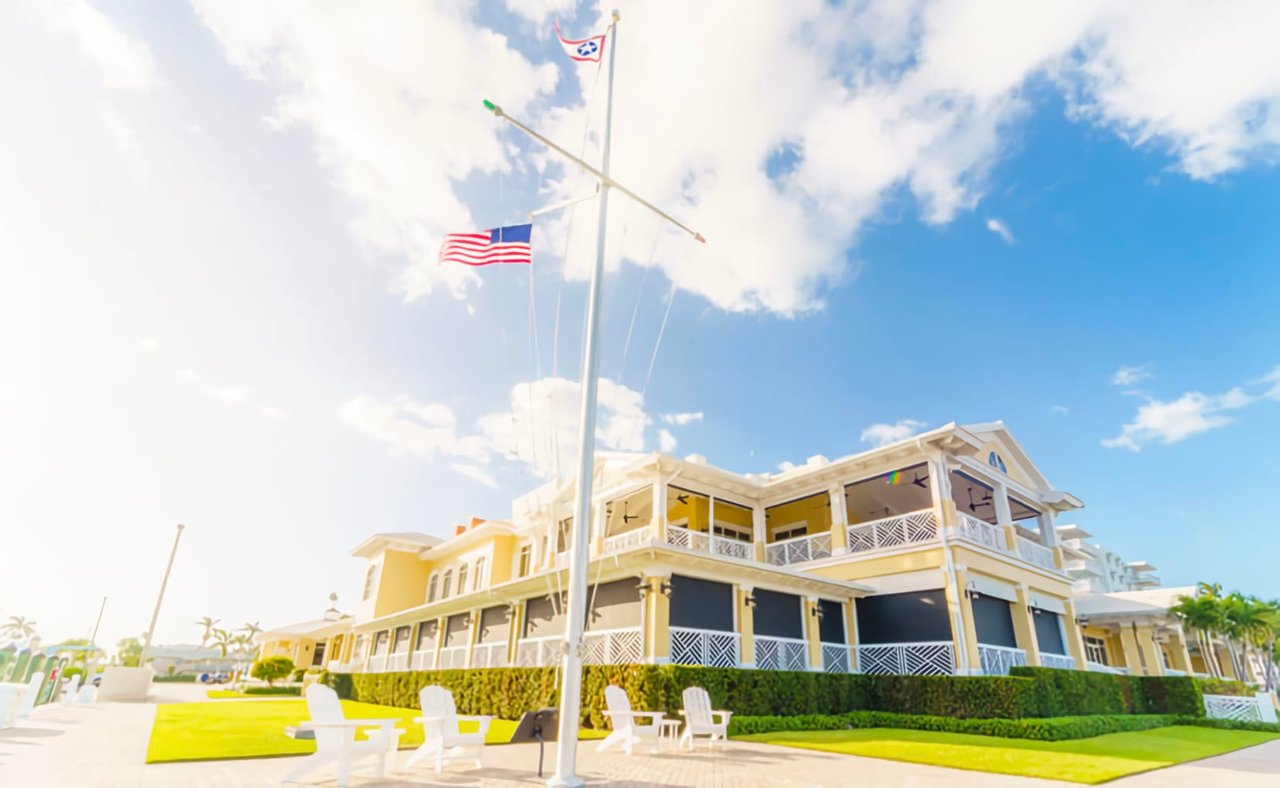
In towers and condo communities, amenities and services shape everyday appeal and pricing. Private beach access, on‑site management, valet, pools and fitness, secure storage, and covered parking can narrow or widen gaps between buildings. HOA rules also matter. Assessment levels, reserve status, and any special assessments directly influence total ownership cost. If you hope to rent seasonally, rental minimums and blackout periods change the income story and the buyer pool.
Short‑term rentals and the local framework
Short‑term rental capability is part of the value mix for many Vanderbilt Beach condos. Collier County requires registration for short‑term vacation rentals in unincorporated areas and requires that the county registration number appear in advertising. Review the county’s registration guidance on the Short‑Term Vacation Rental Registration page. Private HOA or condo rules can be more restrictive than county rules, so always check governing documents.
Investor demand often tracks visitor trends. County reporting shows continued seasonal strength, which helps inform underwriting for occupancy and rates. For a recent indicator, see coverage of increased visitor spending in Collier County on Gulfshore Business.
Walkability and lifestyle access
Vanderbilt Beach appeals to boaters and beach lovers, but proximity to shopping and dining widens the audience. The nearby Mercato district provides restaurants, shops, and a cinema in a compact, easy‑to‑reach setting. Homes and condos within a quick walk or bike ride to retail often trade at a premium to otherwise similar addresses farther out. When you evaluate a property, map the route to Mercato and everyday services, and weigh that convenience in your value view.
How a specialist prices a Vanderbilt Beach property
You can borrow the same process seasoned appraisers and listing agents use to remove guesswork.
- Document audit
- Pull title and plat, recorded easements, and a permit history summary.
- For waterfront, include marine permits, any seawall records, and recent work orders.
- For condos, request HOA bylaws, reserve studies, recent assessments, and rental rules.
- Micro‑comp selection
- Use the most recent closed sales within the immediate micro‑area.
- Match product type first: gulffront vs canal vs inland, and condo vs single‑family.
- For condos, adjust for floor and stack; for canal homes, adjust for lift capacity and route to the Gulf.
- Quantify the key adjustments
- View tier: partial vs clear vs panoramic or direct beachfront.
- Gulf access: direct, no‑bridge access tends to trade higher than bridge‑restricted routes.
- Dock and seawall: condition, lift capacity, and permits.
- Age and mitigation: impact openings, roof work, and wind‑mit reports.
- HOA profile: assessments, reserves, parking, assigned storage, and beach access.
- Rental income: only apply income metrics if you have consistent local rental comps.
- Flood risk and insurance: verify FEMA zones and expected premiums. NOAA resources can help you understand coastal flood designations and map context. See the federal flood and coastal mapping item.
- Marketing and positioning to capture premiums
- Package certainty: share survey work, dock depths, lift specs, and permit proofs.
- Media that shows what matters: professional day and twilight photos, drone panoramas that place the home relative to Wiggins Pass and open water, and clear floor plans that show view lines.
- Disclose early: flood zone, insurance costs, recent assessments, and reserve status. Transparency preserves price and reduces renegotiation risk.
- Price near the closest comp with true view and amenity parity. When comps are thin, a conservative launch can stimulate competing interest.
Risks and red flags that reduce price
- Seawall or dock issues without permits or documentation, or a failed seawall.
- Flood zone surprises or rising insurance costs that limit the buyer pool.
- Rental restrictions that block a stated income plan.
- View risk from a buildable lot or pending permit between you and the water.
- Missing evidence of code‑level or wind‑mitigation upgrades.
For sellers: easy ways to defend your list price
- Gather proof: assemble marine permits, lift specs, seawall records, and any recent soundings.
- Document resilience: collect wind‑mitigation reports, impact window receipts, roof permits, and any third‑party certifications.
- Clarify the HOA story: provide reserve studies, assessment history, parking details, and rental rules in a tidy packet.
- Lead with the view: invest in daylight and sunset photography, plus aerials that show distance to the pass and to Mercato.
- Stage the path to the sand or dock: make access obvious and friction‑free during showings.
For buyers: a simple comparison checklist
- Orientation: gulf, bay, canal, or inland.
- View tier: obstructed, partial, clear, or panoramic.
- Dock and route: lift capacity, seawall health, and bridge limits.
- Age and mitigation: impact glass, roof type, and verified wind‑mit.
- HOA and costs: assessments, reserves, parking, storage, and beach access.
- Rental profile: minimum stays, lease caps, and onsite management.
- Insurance and flood: expected premiums and zone.
Ready to move with confidence
When you understand shoreline orientation, view tier, dockage, age and resilience, HOA rules, rental potential, and walkability, you can price, negotiate, and market with precision. If you want a property‑specific value read or a discreet listing plan that packages permits, resilience, and view permanence the right way, schedule time with the Rigsby Team. You will get boutique, concierge guidance backed by local expertise and global reach.
FAQs
What are current average prices in Vanderbilt Beach?
- A January 2026 MLS snapshot reported average closed prices near 3.9 million for single‑family homes with about 18.6 months of supply, and about 1.8 million for condos with roughly 15 months of supply, per the Monthly Market Report (Jan 31, 2026).
Why do two similar condos sell for very different numbers here?
- View and floor are often the biggest drivers after condition, followed by building amenities and rental rules; gulf vs canal orientation and view permanence can shift price materially, as outlined in the county’s LDC overlay context.
How much more is gulffront vs canal property at Vanderbilt Beach?
- Exact spreads depend on recent local comps, but research shows view and proximity can move prices by single‑digit to double‑digit percentages, with larger differences for direct beachfront; start with matched, very recent Vanderbilt comps and the broader findings summarized here: beach proximity and values.
Do I need permits for a new dock or lift in Collier County?
- Yes, marine‑category permits are required for docks, seawalls, and boatlifts; review the process and documentation on the county’s PRMAR page.
Are short‑term rentals allowed near Vanderbilt Beach?
- Collier County requires registration for short‑term vacation rentals in unincorporated areas, and private HOA rules may be more restrictive; see the county’s Short‑Term Vacation Rental Registration guidance and confirm your building’s bylaws.
Do hurricane‑resilient upgrades change price or insurance?
- Documented features like impact openings and roof improvements can reduce loss risk and support marketability; IBHS offers context on code‑driven resilience in Florida here: IBHS building codes resource.