If you have toured more than one condo in Park Shore, you have probably noticed something quickly: two buildings can sit just minutes apart and feel completely different. That matters when you are buying in a coastal neighborhood where views, building condition, monthly costs, and association decisions can shape your day-to-day experience as much as the unit itself. In this guide, you will learn how to evaluate each Park Shore condo building with a clear, practical framework so you can compare options with more confidence. Let’s dive in.
Why Park Shore Buildings Vary
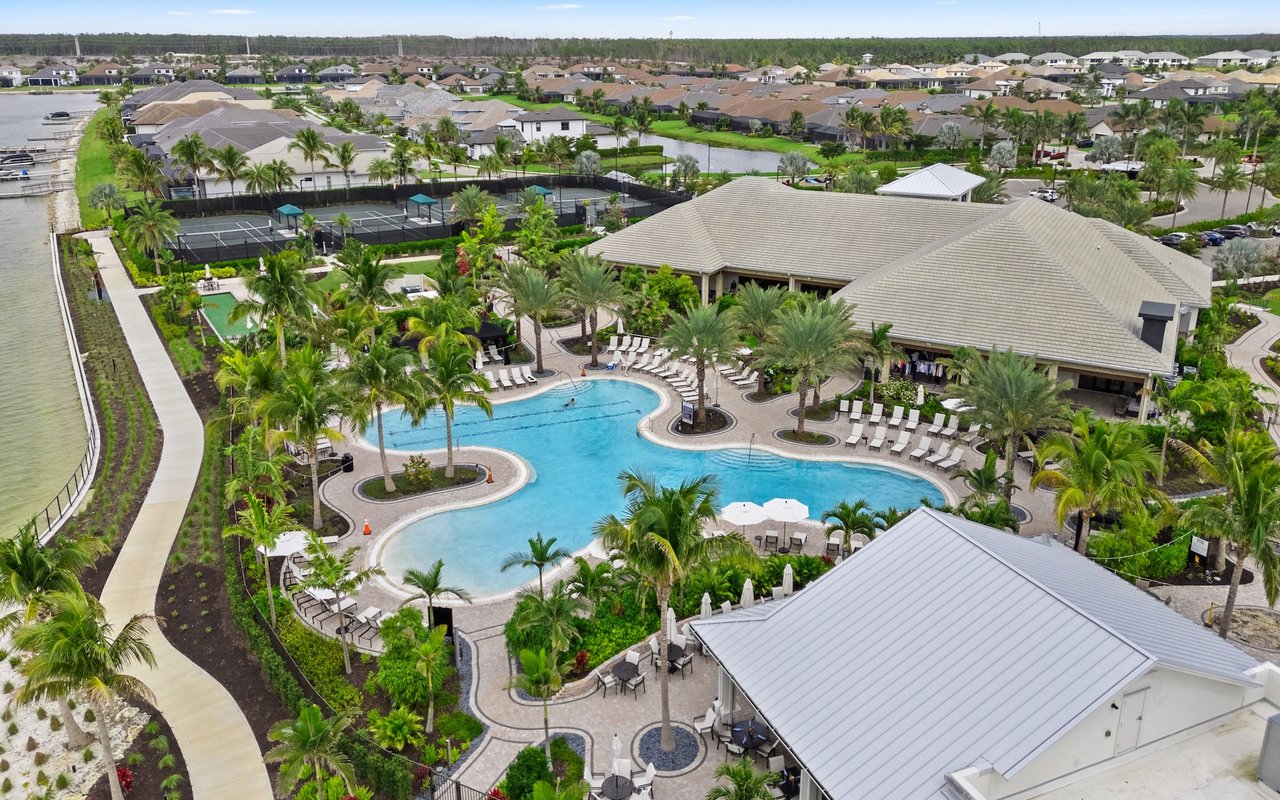
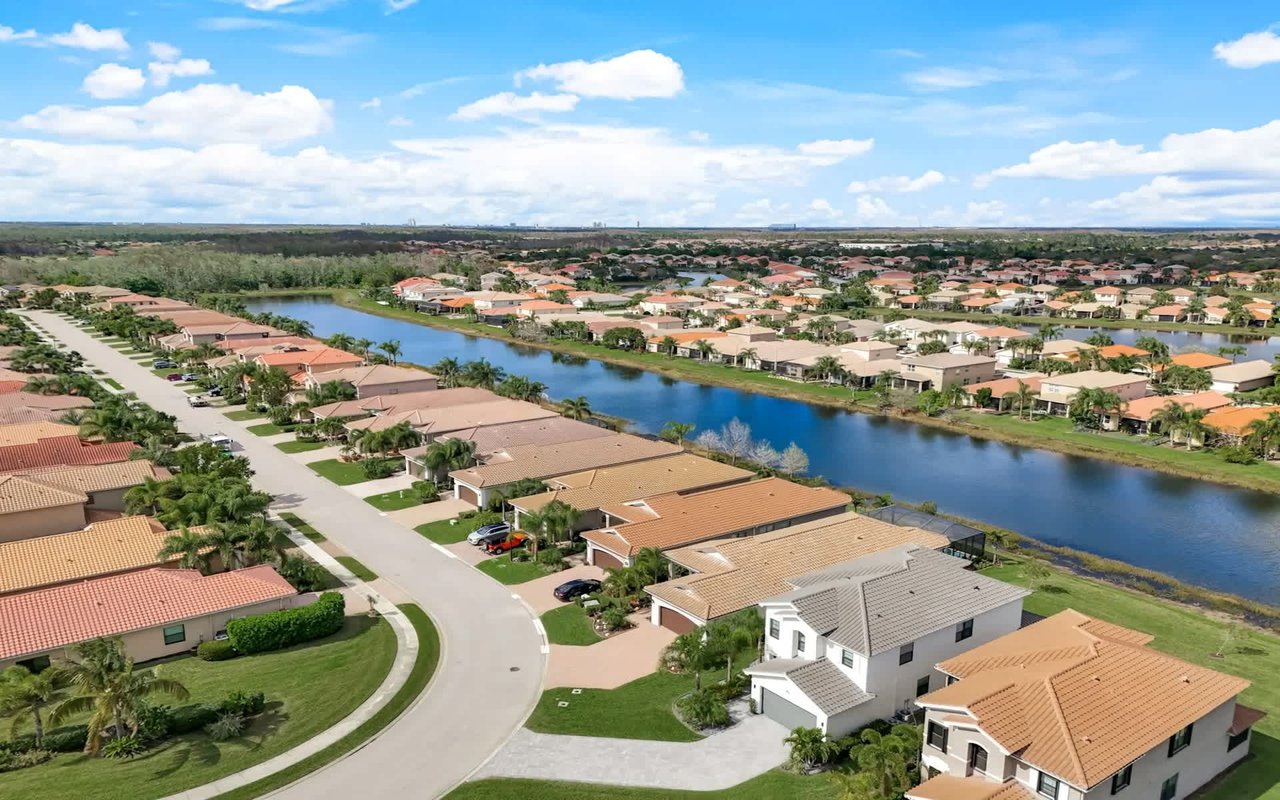
Park Shore is not a one-note condo market. According to the City of Naples and the Park Shore Association, the neighborhood includes more than 600 single-family homes, 25 high-rise condos, many mid-rise condos, and commercial property.
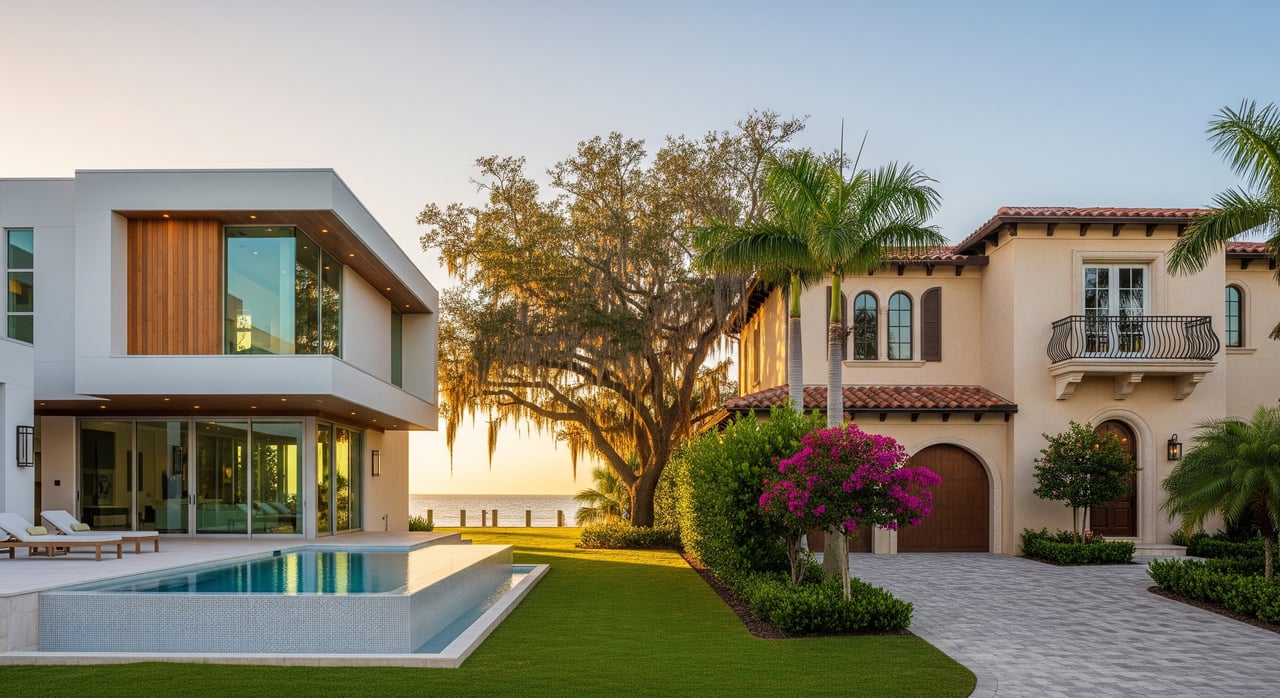
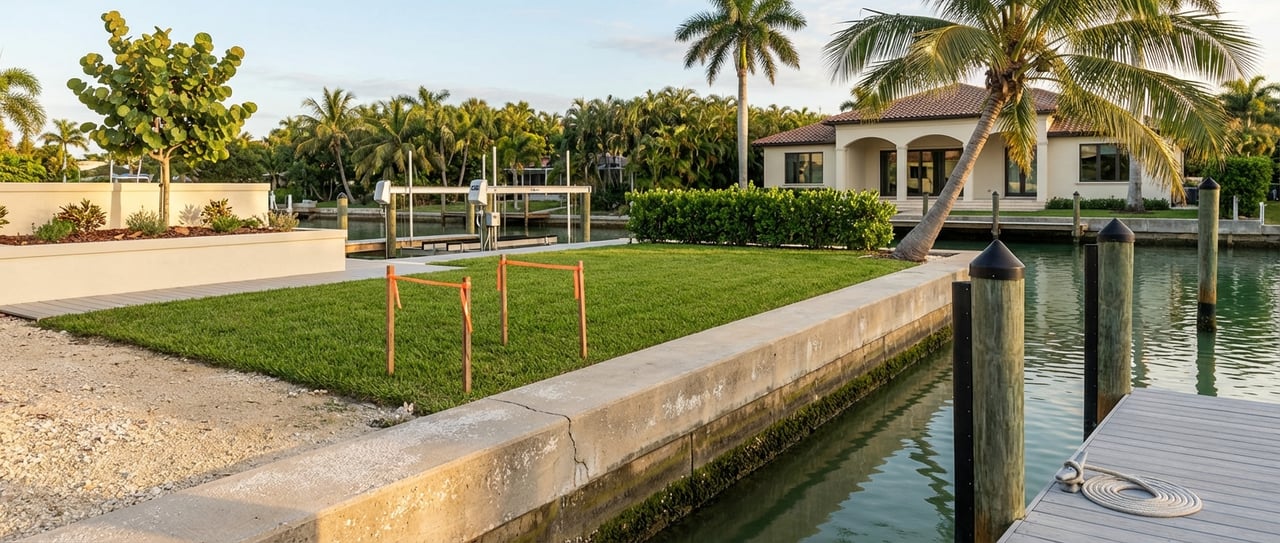
That mix creates meaningful differences from one building to the next. Some properties sit west of Gulf Shore Boulevard near the Gulf, while others face Venetian Bay or sit farther inland. As a buyer, you are not just comparing floor plans. You are comparing view lines, privacy, traffic patterns, sound, access, and long-term maintenance realities.
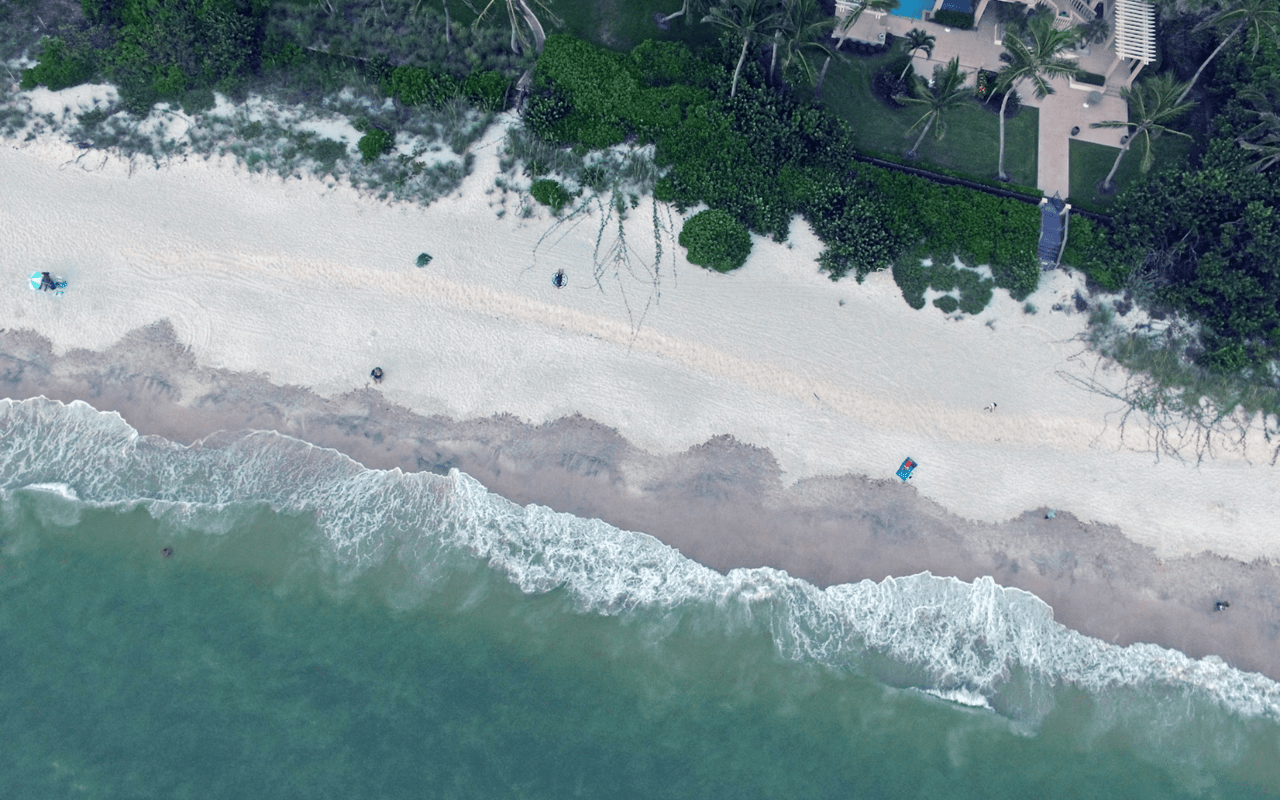
It also helps to separate the neighborhood from each condo association. The Park Shore Association is a voluntary neighborhood association, not the same thing as an individual building’s condo association. It maintains the Raymond L. Lutgert Beach Park, a 200-foot, 2.7-acre private beachfront park for members, and eligible owners within Park Shore may join for a $1,000 initiation fee plus $300 in annual dues.
Start With Building Location
Gulf-Front, Bay-Front, or Inland
The first filter should be the building’s exact position. In Park Shore, that usually means deciding whether a building is Gulf-front, bay-front, or farther inland.
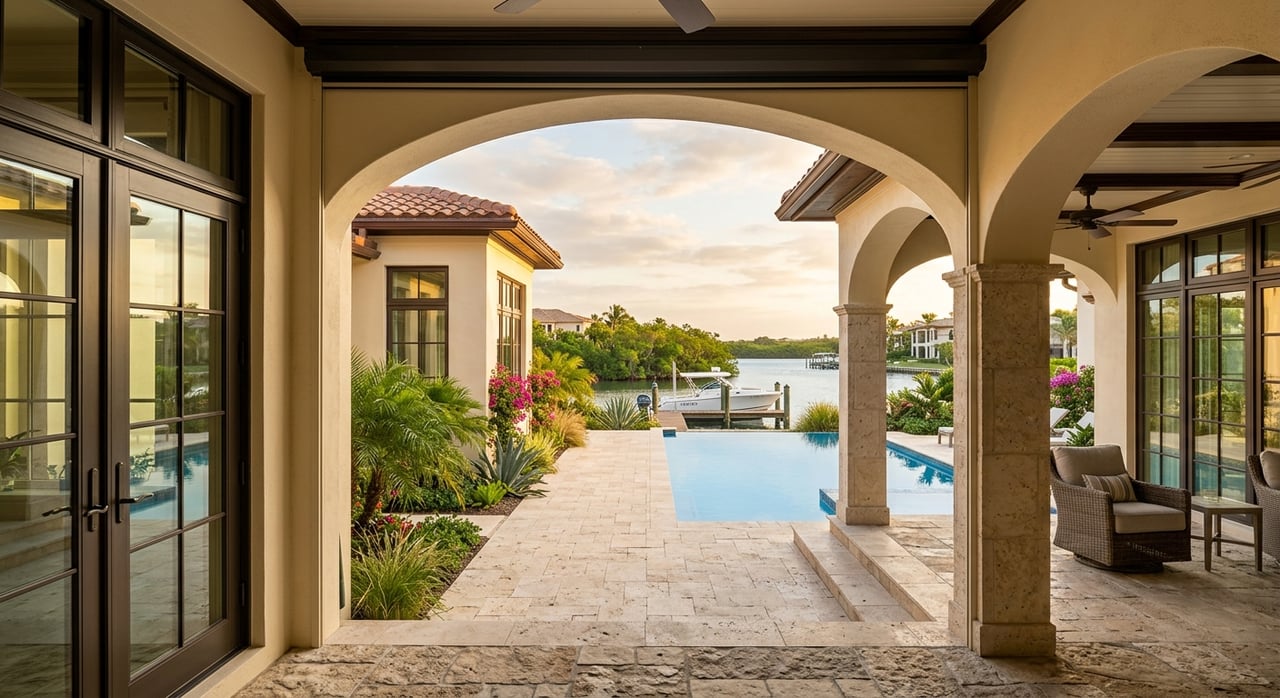
That location affects more than the headline view. It can influence walkability, traffic flow, wind exposure, light, and how connected you feel to the beach or bay. A Gulf-front tower may offer a very different daily rhythm than a bay-facing building or a condo farther east.
Compare the Exact View
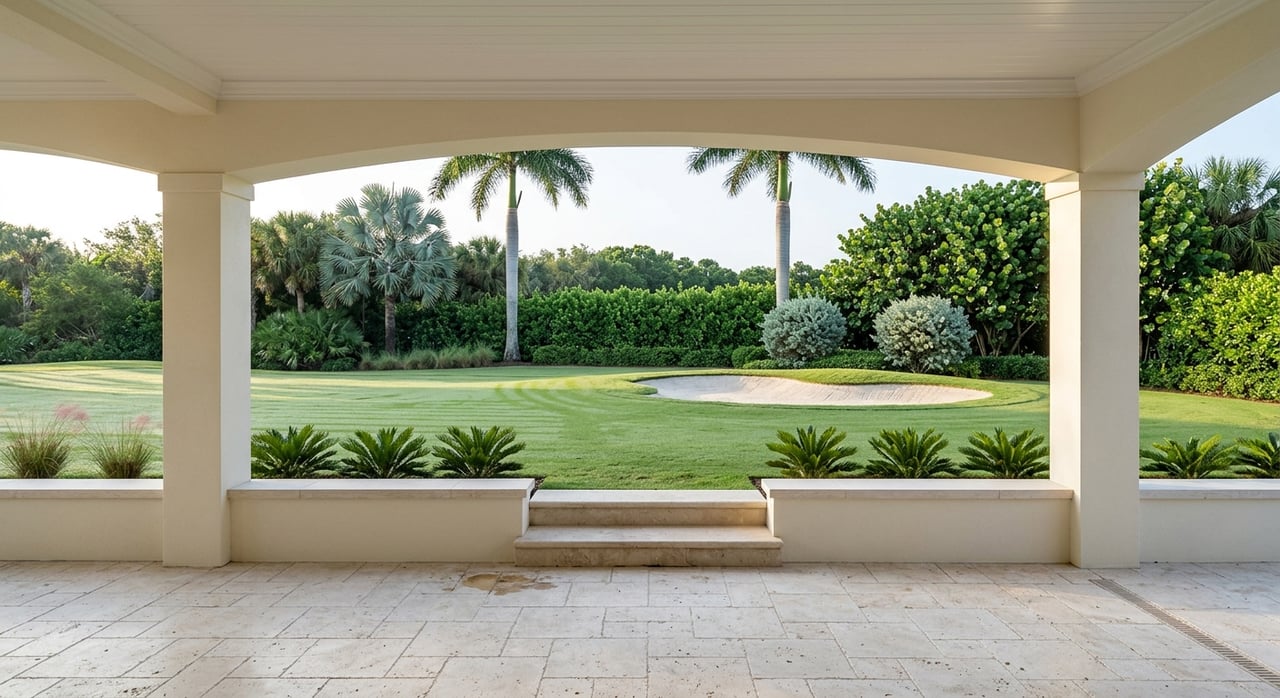
Once you identify the building type, go more specific. Compare floor height, stack location, corner versus interior position, lanai orientation, and whether the main outlook is Gulf water, bay water, skyline, roadway, or neighboring structures.
In Park Shore, this step is especially important because the neighborhood has multiple building styles and orientations in a relatively tight area. A well-positioned stack in one building may deliver a stronger experience than a higher floor in another.
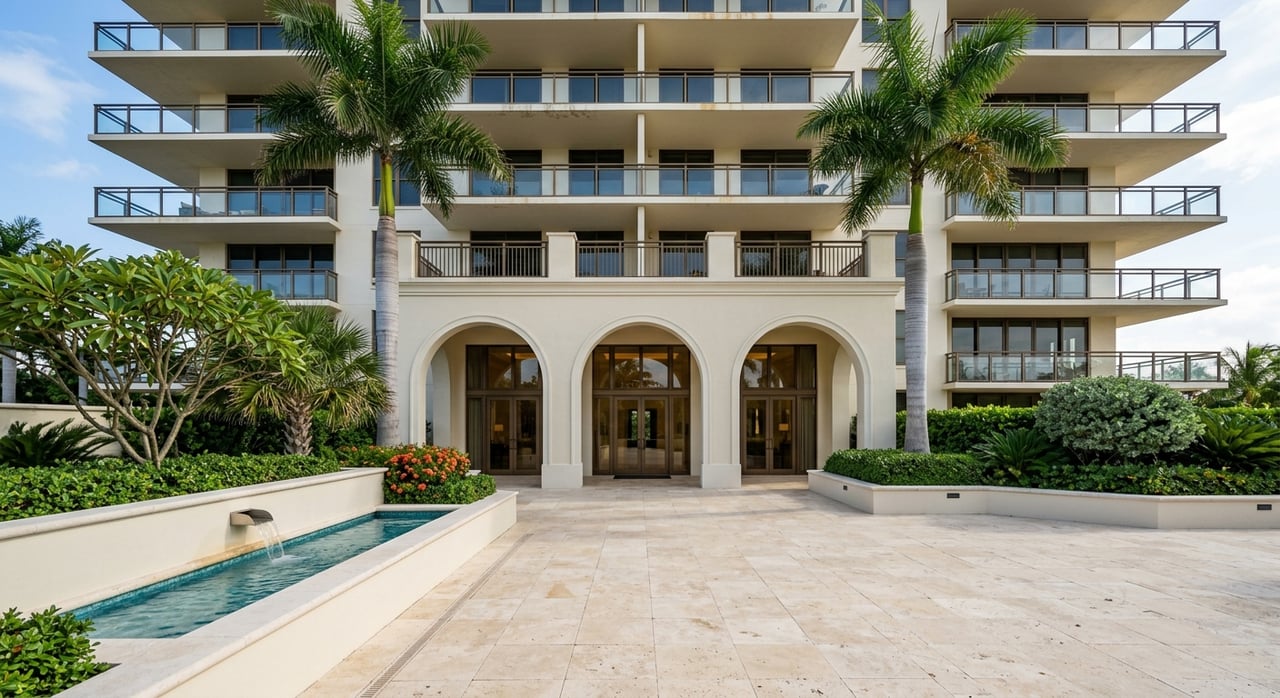
Look Beyond the Lobby
Age Matters, but History Matters More
Park Shore is a mature coastal market, so the real question is not simply whether a building looks polished today. You also want to know what work has been completed over time.
Compare the original construction date, major common-area renovations, facade or balcony restoration, roof replacement, elevator modernization, and plumbing or electrical updates. In an older coastal tower, the renovation history often tells you more than the finishes in the lobby.
Review Physical Condition Carefully
Buyers should also pay attention to concrete and waterproofing work, especially in older buildings. Coastal exposure can make maintenance timing and quality especially important.
Collier County now requires milestone inspections for qualifying older condominium and cooperative buildings. For coastal buildings within three miles of salt water, the county says inspections begin at 25 years rather than 30 years, which makes this a key part of due diligence in Park Shore.
Compare Amenities as a Building-Specific Feature
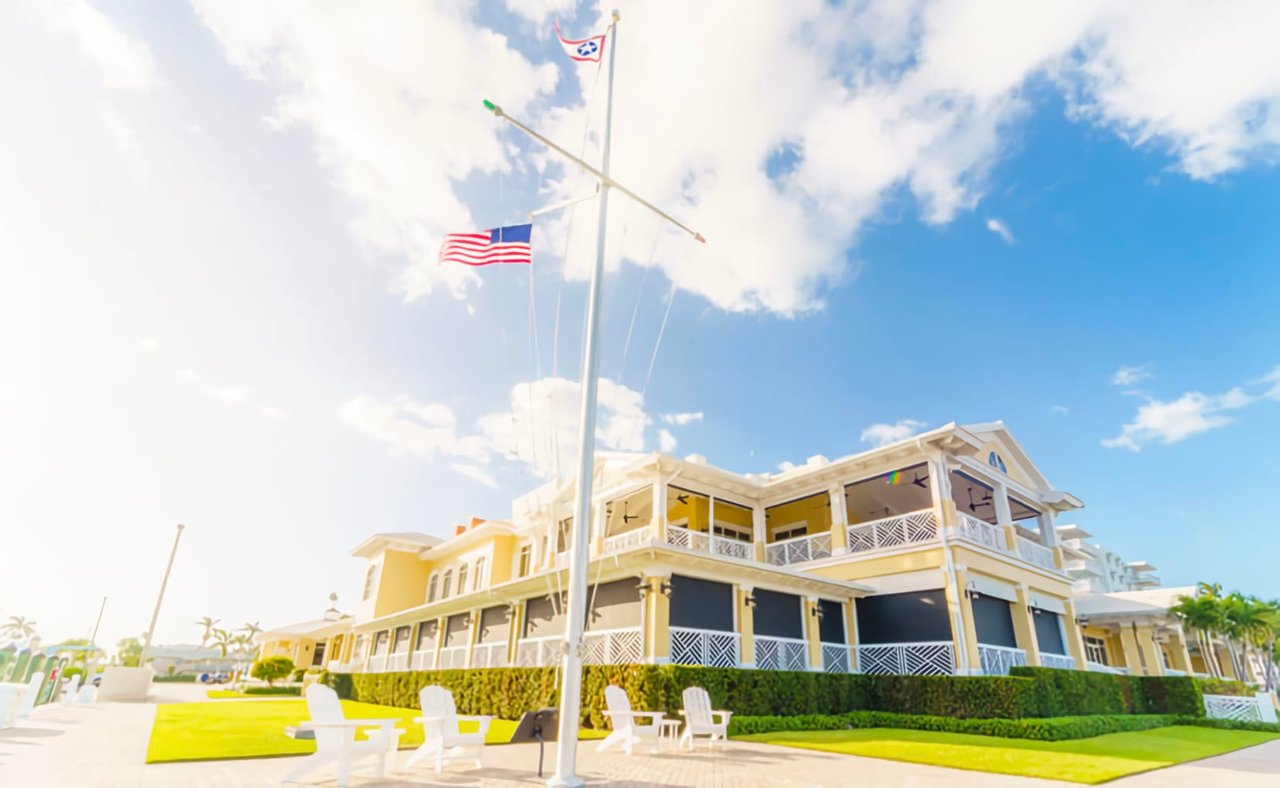
Amenities in Park Shore are not uniform. Two buildings may look similar from the street while offering very different service levels and owner experiences.
Ask what is included in the monthly assessment and what is separate. That can include pool or beach service, concierge support, security, fitness areas, guest suites, covered parking, valet, storage, pet policies, boat or kayak access, and renovation rules.
This matters for both lifestyle and resale. A building with stronger services may justify higher carrying costs for one buyer, while another buyer may prefer a simpler setup with lower overhead.
Understand Association Health
Milestone Inspections
Florida law requires milestone inspections for condominium and cooperative buildings that are three habitable stories or more. In Collier County, coastal buildings within three miles of salt water are inspected at 25 years, while noncoastal buildings are inspected at 30 years.
A phase one milestone inspection is a visual examination by a licensed architect or engineer. If no signs of substantial structural deterioration are found, phase two is not required. For a buyer, the key question is whether the building has completed the process and whether any follow-up work, permits, or repairs were required.
Reserve Studies and Budget Alignment
A building’s structural integrity reserve study is just as important as its inspection status. Under Florida law, the study must identify the inspected items, estimate remaining useful life and replacement cost or deferred maintenance expense, and provide a reserve funding plan.
Existing unit-owner-controlled associations were required to complete a structural integrity reserve study by December 31, 2025. If an association must complete a milestone inspection on or before December 31, 2026, it may complete the reserve study at the same time, but not later than December 31, 2026.
Monthly Dues and Special Assessments
For buyers, these documents can directly affect cost. Monthly dues, reserve contributions, or special assessments may change based on what the building’s inspection and reserve documents show.
That is why a lower monthly fee is not always the better value. If one building has completed major work and has a more realistic reserve plan, it may be on stronger footing than a building with lower fees but larger deferred costs ahead.
Review the Right Documents
Florida law gives prospective condo buyers access to key records. These include the declaration, articles of incorporation, bylaws and rules, annual financial statement, annual budget, any applicable milestone inspection summary, the most recent structural integrity reserve study, and any applicable turnover inspection report.
For contracts entered after December 31, 2024, the law also requires specific disclosures tied to whether the association has completed its milestone inspection or reserve study. Buyers also have statutory rights tied to delivery of those records.
Associations must also maintain official records that can help you reconstruct the building’s history. Those records may include plans, permits, warranties, audits, financial reports, reserve studies, contracts, bids, building permits, and inspection reports.
Read Documents Together
One of the biggest mistakes buyers make is reading each document in isolation. A budget alone does not tell the full story, and a reserve study alone does not explain current board decisions.
Instead, read the budget, reserve study, and board minutes together. That approach helps you understand whether the association’s financial planning matches the condition of the building and any recent capital work.
Use the Collier County Portal Early
When you are comparing older Park Shore towers, the Collier County milestone portal can be one of the most useful starting points. The county says milestone status is searchable by building name, address, or reference number, and reports and letters are stored in the GMCD Documents & Images system.
Using that portal early can help you confirm whether a building has started or completed the milestone process. It can also help you identify related records before you invest too much time in a property that may not fit your comfort level.
Questions To Ask About Every Park Shore Building
Before you shortlist a building, ask the same core questions every time:
- What year was the building completed?
- When were the most recent major common-area renovations finished?
- Has the building completed its milestone inspection?
- Were any repairs, follow-up studies, or permits required?
- Has the association completed its structural integrity reserve study?
- Are the reserves aligned with the budget?
- Are there current or pending special assessments?
- What do the monthly assessments include, and what is excluded?
- What are the parking, storage, pet, guest, and renovation rules?
- If private beach access matters to you, is the unit eligible for Park Shore Association membership?
If beach access is part of your decision, remember that Park Shore Association membership is a separate voluntary benefit. Eligible owners within the Park Shore map boundaries may join, and the current published cost is a $1,000 initiation fee plus $300 in annual dues.
A Smart Research Sequence
If you want a simple way to compare Park Shore condos, use the same sequence for each building:
- Confirm whether the building is Gulf-front, bay-front, or inland.
- Request the seller-provided condo documents required by Florida law.
- Check the Collier County milestone record and any related permits.
- Read the budget, reserve study, and board minutes together.
- Visit the property at different times of day to evaluate sound, light, privacy, traffic, and view quality.
- Compare each building using the same checklist, not just first impressions.
This method can keep you grounded when one unit has beautiful finishes but weaker building fundamentals, or when another building appears more understated yet offers stronger long-term value.
How To Narrow Your Short List
A practical Park Shore short list usually comes down to five areas: view quality, physical condition, operating cost, service level, and association risk. If you rank each building on those same points, the best fit often becomes much clearer.
That is especially true in a neighborhood like Park Shore, where location, age, and building management can create big differences within a small area. The goal is not just to find a beautiful residence. It is to choose a building that supports the lifestyle, budget, and ownership experience you want.
If you want help comparing Park Shore condo buildings with a more curated, property-by-property lens, the Rigsby Team offers private consultation and concierge-level guidance throughout your Naples search.
FAQs
What should you compare first when evaluating Park Shore condos?
- Start with the building’s location and type: Gulf-front, bay-front, or inland. Then compare the exact view, floor height, stack, orientation, and privacy.
What building records should you review before buying a Park Shore condo?
- Review the declaration, bylaws and rules, annual financial statement, annual budget, milestone inspection summary if applicable, and the most recent structural integrity reserve study.
What are milestone inspections for Park Shore condo buildings?
- Milestone inspections are required by Florida law for condominium and cooperative buildings that are three habitable stories or more. In Collier County, coastal buildings within three miles of salt water are inspected at 25 years.
Why do reserve studies matter when buying in Park Shore?
- Reserve studies help show expected repair and replacement costs, remaining useful life of key components, and the association’s funding plan, which can affect dues and future assessments.
Is Park Shore Association membership included with every condo building?
- No. Park Shore Association is separate from any individual condo association. Eligible owners within the Park Shore map boundaries may join voluntarily.
How much does Park Shore Association membership cost for eligible owners?
- The current published fee is a $1,000 new-member initiation fee plus $300 in annual dues.